The Secret Psychology of Emojis: How Tiny Icons Steer Our Subconscious

Mar 09,2026
The Unspoken Language in Our Pockets
Think about the last text you sent. Did you end it with a period, or did you choose a smiling face, a heart, or maybe a simple thumbs up? That choice wasn't random. It was a tiny, powerful psychological nudge. In a world where our conversations are increasingly stripped of tone of voice and body language, emojis have rushed in to fill the void. But they're doing more than just adding color—they're actively guiding, and sometimes even dictating, the subconscious reactions of the person on the other side of the screen.
Without these visual cues, our brains are left to guess. A plain "okay" can be read as agreement, passive aggression, or cold indifference. It creates a vacuum of meaning, and our subconscious, which craves emotional and social clarity, rushes to fill it, often with negative bias. This is where the hidden power of emojis truly shines. They provide the missing context, steering that subconscious interpretation in a specific direction before doubt or misunderstanding can take root.
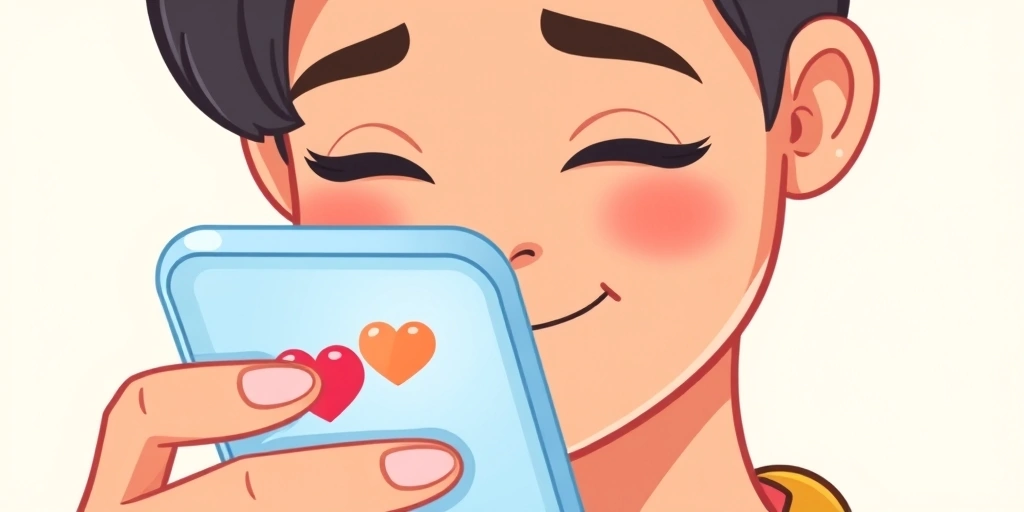
More Than Decoration: Emojis as Emotional Anchors
From a psychological standpoint, emojis function as cognitive shortcuts. Our brains process images faster than text, and emotional cues faster than logical ones. An emoji lands instantly, creating an immediate emotional framework for the words that accompany it. A message about a stressful workday followed by a weary face 😩 primes the reader for empathy. The same message followed by a fire emoji 🔥 might signal frustration or a "burnout" feeling. The words are identical, but the subconscious takeaway is completely different.
This anchoring effect is profound. It doesn't just clarify intent; it can completely override the literal meaning of the words. A sarcastic comment becomes clearly humorous with a winking face 😉. A potentially harsh critique feels softer, even constructive, when paired with a thoughtful or praying hands emoji 🙏. The emoji acts as a lens, coloring the entire message and guiding the recipient's emotional response before their conscious, analytical mind even kicks in.
The Subconscious Rules of Engagement
This guidance isn't a free-for-all. There are subtle, unwritten rules our subconscious picks up on. The placement of an emoji matters. One at the end of a sentence often serves as a tone-setter for the whole statement. An emoji within a sentence can emphasize a specific word or feeling. And the type of emoji creates a hierarchy of emotional weight—a red heart ❤️ carries a different subconscious charge than a yellow heart 💛, just as a grinning face 😀 feels distinct from a softly smiling one 🙂.
We use these tools to manage social bonds and perceived intimacy. A colleague might get a professional thumbs-up 👍. A close friend gets the crying-laughing face 😂. The emojis we choose are subconscious signals of relationship boundaries and emotional closeness. For a deeper dive into how these instant judgments form, exploring the concept of an emoji's emotional shortcut is fascinating.
When the Cue is Missing or Mismatched
The psychological impact of emojis becomes most apparent in their absence, or when the cue is mismatched. The dreaded "period text"—a blunt, unadorned message—often triggers subconscious alarm bells, reading as cold or angry. Similarly, an overly cheerful emoji after sad news creates cognitive dissonance, leaving the receiver confused and unsure how to feel. Our brains struggle to reconcile the conflicting signals, and the social connection falters.
This is why mastering this unspoken language feels so crucial. It's less about memorizing emoji dictionaries and more about developing an intuitive sense for emotional signaling. Are you aiming to support, celebrate, sympathize, or joke? Your emoji choice is the fastest way to telegraph that intent to someone else's subconscious.
As we navigate more of our lives through text, these tiny icons have become essential psychological tools. They are the body language of the digital age, the tone of voice in a silent medium. They don't just accompany our words; they shape their very meaning in the mind of the reader. The next time you reach for your phone to send a message, pause for a second. Consider the emotional landscape you want to create. That single, small emoji you choose is the subconscious map you're handing to the person you're talking to, guiding their reaction one pixel at a time. The real question is, where are you leading them?
For more insights into the fascinating intersection of symbols and the mind, the broader field of emoji psychology offers endless exploration.