The Softening Effect: How Emojis Change the Tone of Professional Messages

Feb 19,2026
We've all been there. You're typing a quick message to a colleague or client. The words are clear, the request is straightforward, but something feels... off. It reads a bit blunt, maybe even curt. Before hitting send, your cursor hovers, and you add a simple smiley face. Suddenly, the entire message feels different. Less like an order, more like a friendly request. This isn't magic; it's the subtle, powerful way emojis adjust how direct our professional messages feel.
In text-based communication, we lose the non-verbal cues that fill our in-person conversations—the smile, the nod, the tone of voice. Emojis have stepped in to fill that void. They don't replace professionalism; they nuance it. A period can feel final. A thumbs-up can feel supportive. The choice is rarely about the information itself, but about the emotional packaging it arrives in.
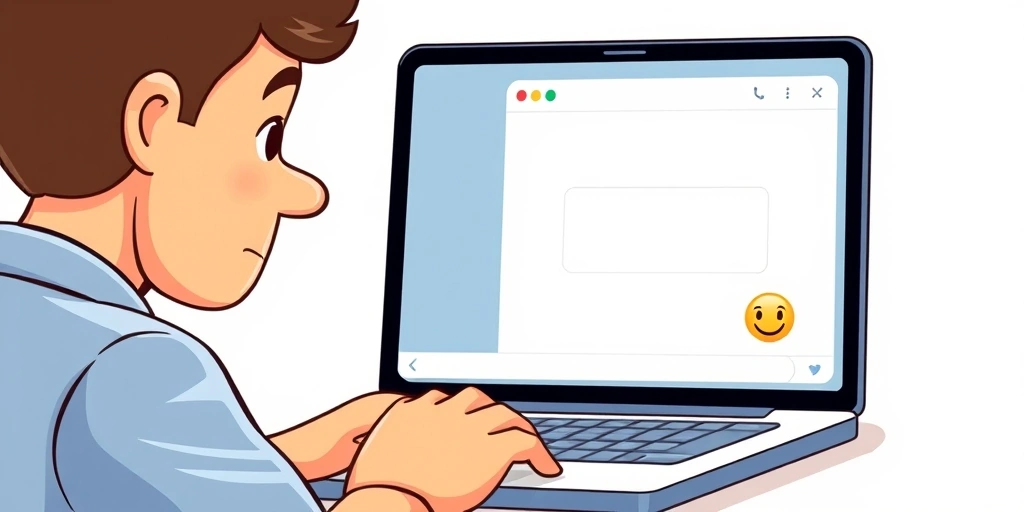
Think about the classic scenario of following up. "Just checking in on the report." Sent alone, it can ping a recipient's inbox with the weight of a mild accusation. Now, add a slight variation: "Just checking in on the report :)" That tiny symbol transforms the subtext from "Why is this late?" to "Hey, no rush, just keeping the loop closed." The core message is identical, but the perceived directness—and potential for causing stress—plummets.
This softening effect is crucial for building and maintaining rapport, especially in remote or hybrid teams where casual hallway chats are rare. A well-placed emoji can act as a social lubricant, preventing misunderstandings before they start. It signals goodwill and reminds the person on the other end that there's a human, not just a taskmaster, behind the screen. For more on how emojis shape our social expectations in digital spaces, you can explore this related discussion.
When Directness is Necessary (And When It's Not)
Of course, not every message needs softening. There are times when clarity and brevity are paramount, and an emoji might dilute a critical point. A security alert or a major deadline reminder might rightly stand alone, stark and unambiguous. The art lies in discernment.
The key is to understand that emojis are modifiers. They frame the text that follows. A winking face can turn a serious suggestion into a playful nudge. A thinking face can show you're pondering a complex idea together, rather than bluntly rejecting a proposal. This silent framing is particularly powerful in ongoing, slow-burn projects where tone accumulates over time.
Navigating the Unwritten Rules
So, how do you use this power effectively? Start by considering your relationship with the recipient and the context of the message. A lighthearted emoji with a close teammate is often a great way to maintain a positive team culture. With a new client or senior executive, you might start more conservatively, mirroring their style as the relationship develops.
Pay attention to the emoji's established meaning. A red circle (⭕) might mean "OK" in some contexts, but it can also look like a harsh, empty zero. A simple smiley is usually a safe bet for warmth. The clenched-teeth smile (😬) or sweat droplet (😅) can brilliantly communicate "This is a tough ask, and I acknowledge that" without having to spell it out.
Ultimately, using emojis professionally isn't about being casual. It's about being a more effective and empathetic communicator. It's recognizing that in the flat landscape of text, a small symbol can add dimension—turning a flat statement into a rounded thought, and a direct request into a collaborative conversation. The next time you pause before sending, ask yourself: "Could this message benefit from a little emotional clarity?" The answer might just be an emoji away.
📒 Related Blogs
More...The Silent Scream: Why Your Emojis Are Being Misunderstood in Group Chats
Mastering Emoji Etiquette: Your Guide to Using Emojis Appropriately
How Digital Trends Rewrite the Meaning of Your Favorite Emojis
The Secret Power of Emojis: How a Tiny Icon Can Change Your Message's Meaning
The Hidden Language of Emoji Combos: How Tiny Pictures Build Big Emotions
Emojis in Business: Boosting Brand Connection & Customer Engagement