The Softening Power of Emojis: How a Simple Symbol Changes Everything You Say Online

Mar 24,2026
Think about the last time you sent a plain text message. Maybe it was a simple "Okay" or a direct "Can you send me that file?" Now, think about how it felt to type it. Did you hesitate? Did you wonder if it sounded too cold, too demanding, or just… off? If you’re like most of us, you probably reached for an emoji. Not to be cute, but to be clear. To be kind. To be human.
In our fast-paced digital world, words on a screen can feel stark. They lack the body language, the vocal tone, the raised eyebrow or the gentle smile that fills in the emotional blanks in face-to-face chat. This is where emojis step in, not as frivolous decorations, but as essential tools of nuance. They act as tiny emotional modifiers, constantly adjusting how direct—and therefore how potentially harsh or warm—our messages feel.
The Directness Dilemma
Direct communication is efficient. It gets to the point. But online, pure efficiency can easily be misinterpreted as rudeness or anger. A message like "Meeting at 3. Be there." is undeniably clear. It’s also incredibly blunt. To the recipient, it might feel like a command from a superior, or worse, passive aggression from a frustrated friend.
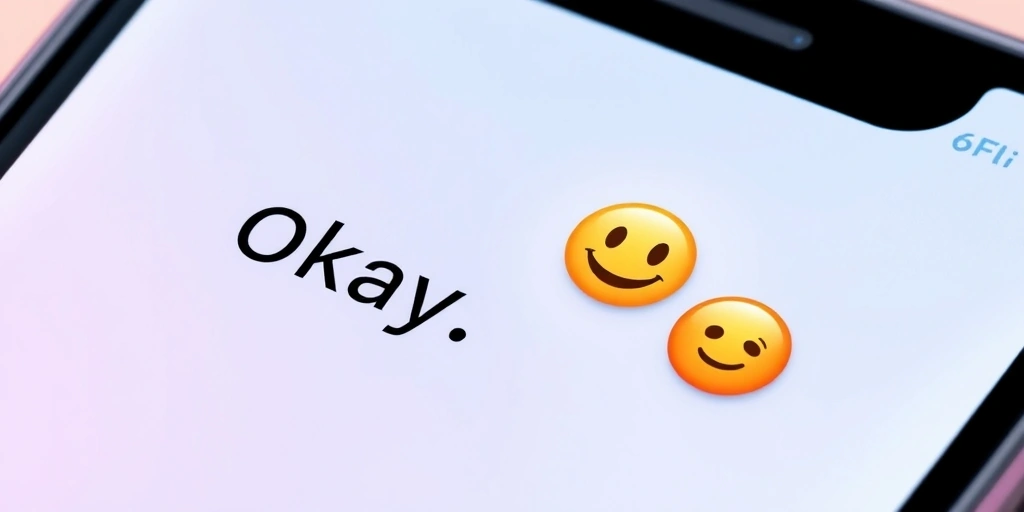
Now, watch what happens with a single emoji: "Meeting at 3. Be there 😊" The core information is identical. The directive is the same. But the entire emotional landscape of the message has shifted. The smiley face softens the edges. It suggests a collaborative spirit, a friendly reminder rather than a stern order. The directness is still there, but it’s been wrapped in a layer of social warmth.
This adjustment isn't about being fake or sugar-coating. It’s about accurately conveying intent. Often, our intent *is* friendly, even when our words are brief. The emoji bridges the gap between our rushed typing and our genuine feeling. For more on how these unspoken rules shape our interactions, especially in groups, you might find this look at group chat dynamics really interesting.
From Statement to Invitation
This softening power transforms statements into invitations. "We need to talk" is a phrase that sends a chill down anyone's spine. It’s the ultimate in direct, ominous communication. But "We need to talk ☕️" or "We need to talk 🤔" changes the framing entirely. The coffee cup suggests a casual, side-by-side conversation. The thinking face implies a collaborative puzzle to solve together. The dreaded phrase becomes an opening for dialogue, not a proclamation of doom.
Similarly, a question like "Why did you do it that way?" can feel like an accusation. It puts the recipient immediately on the defensive. Add a simple confused face—"Why did you do it that way? 🤔"—and the question morphs. It becomes a genuine inquiry born out of curiosity, not criticism. The emoji does the heavy lifting of signaling "I’m not mad, I just want to understand."
The Flip Side: When Directness is the Goal
Of course, there are times when directness *is* the goal. In urgent situations, or when setting a firm boundary, clarity is paramount. Here, the absence of emojis becomes a signal in itself. A period where you might normally use an exclamation point, or a plain "No" without a softening winky face or heart, amplifies the seriousness of the message.
Think of it as emotional punctuation. An exclamation point adds energy; a period can feel final. Choosing to forgo an emoji in a context where you usually use one is a conscious stylistic choice that says, "Read this exactly as written. The tone is neutral-to-serious." It’s a fascinating example of how emojis act as unseen moderators in every exchange, framing our words even through their absence.
The Risk of Mismatch
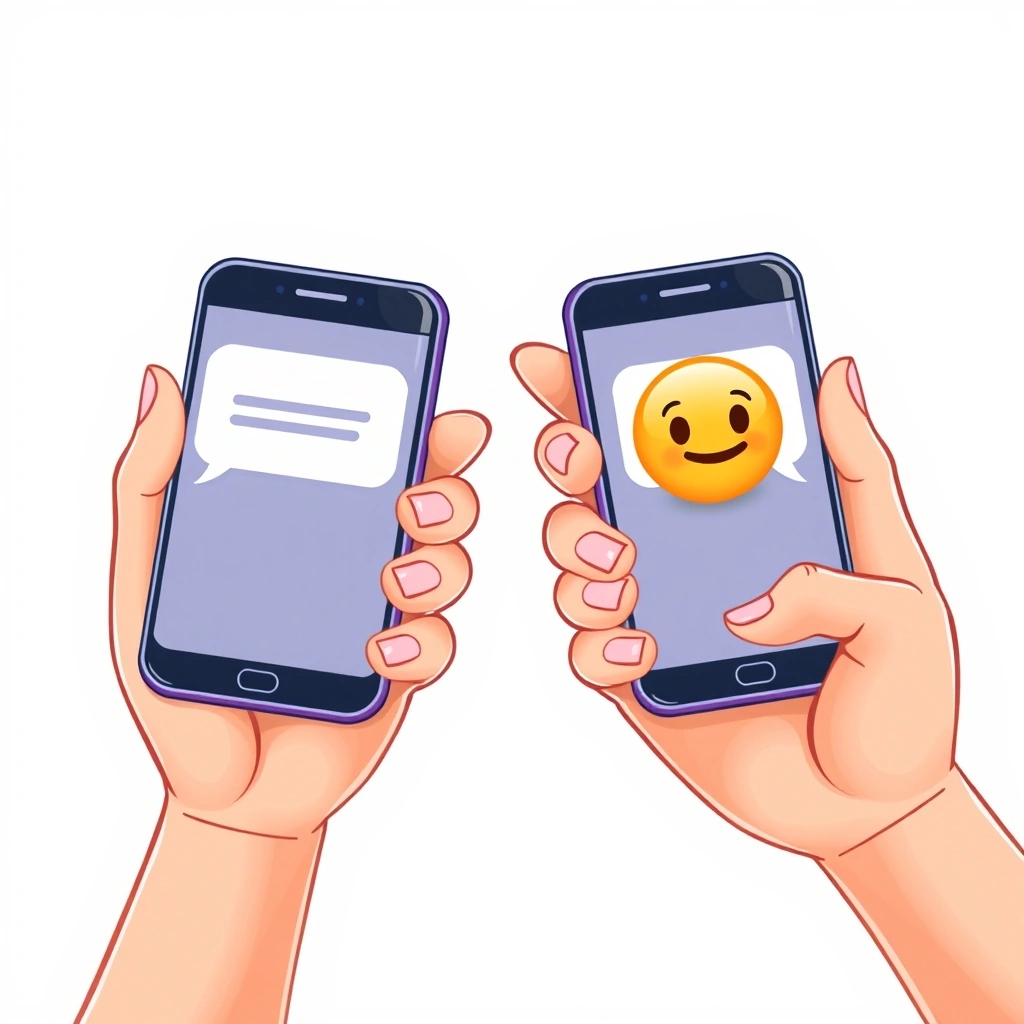
This delicate dance of adjustment isn't without its pitfalls. The most common trip-up is the mismatch between emoji and word. A sarcastic or angry message followed by a heart emoji doesn’t soften it—it creates confusion and often feels manipulative or passive-aggressive. "Great job ruining everything ❤️" isn't softened; it’s weaponized.
The emoji must align with the true emotional subtext you wish to convey. If you’re genuinely frustrated, a frustrated face 😤 might be more honest and clear than trying to mask it with a smiley. Authenticity in our digital tone is just as important as it is in person.
Building a Shared Emotional Language
Over time, with close friends, family, or colleagues, we develop shared emoji dialects. A certain GIF or emoji sequence becomes shorthand for an inside joke, a shared feeling, or a known tone. This shared language allows for even more precise adjustment of directness. A thumbs up from your boss might mean true approval, while a thumbs up from your sibling in a certain context might be the digital equivalent of an eye-roll.
This is the beautiful, human complexity emojis introduce. They move us beyond the binary of direct/indirect and into a spectrum of nuanced, relational communication.
So the next time you pause before hitting send, that moment of hesitation is you instinctively navigating this invisible landscape. You’re asking yourself not just "What do I want to say?" but "How do I want this to *feel*?" And your finger, hovering over that tiny grid of faces, objects, and symbols, is holding the key. It’s not about making everything soft and fuzzy. It’s about using every tool we have to ensure the person on the other end of the screen understands not just your words, but you.
In a world where we communicate more through text than ever before, that ability to adjust, to clarify, and to connect emotionally isn’t just nice to have. It’s the very thing that keeps our conversations from being mere transactions, and allows them to become real connections. And it makes you wonder, as our digital language evolves, what new nuances will we find ways to express next?
📒 Related Blogs
More...The Secret to Effortless Texts: How Emojis Keep Everyday Chats Alive
The Fascinating Evolution of Emojis: From Kaomoji to Global Unicode Standards
The Emoji Filter: How Tiny Icons Shape Public Opinion Online
Beyond Text: How Emojis Transform Online Communication and Express Emotion
The Hidden Grammar of Emoji Sequences: How Your Emoji Combos Shape Every Text Conversation
The Hidden Science of Emojis: How a Simple 😂 or ❤️ Shapes Your Social Media Feed