The Unseen Moderator: How Emojis Quietly Frame Every Message in Your Busy Chats

Mar 23,2026
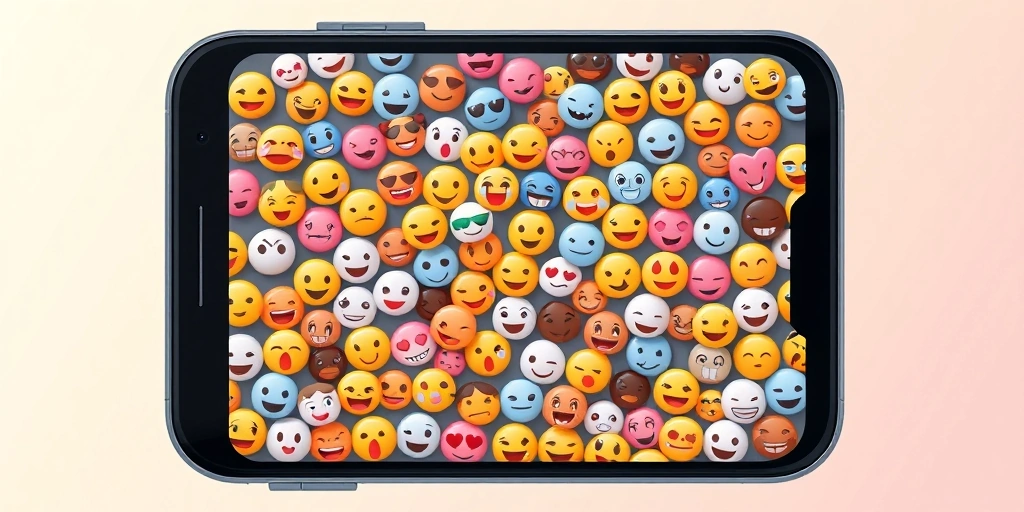
We've all been there. You're scrolling through a busy group chat, trying to catch up on fifty new messages. The text flies by—plans, jokes, complaints, questions. But what often catches your eye first, or lingers in your mind after, isn't just the words. It's the little pictures nestled between them. The laughing face that turns a sarcastic comment into a shared joke. The thoughtful face that softens a piece of critical feedback. The heart that validates a vulnerable share.
In the relentless stream of our digital conversations, emojis have become more than decoration. They are the frame around the message. Before we even process the text, the emoji gives us a clue about how to read it. It's a preemptive emotional guide, a tiny moderator working in the background of every thread.
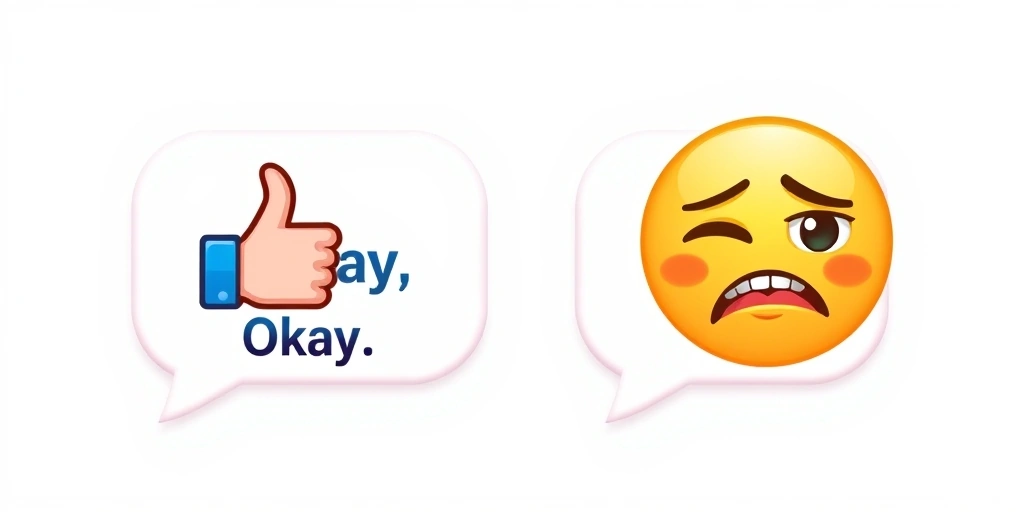
Think about the last time someone sent you a message that was just a bit ambiguous. Maybe it was a simple "Okay." On its own, it could feel cold, dismissive, or even angry. But an "Okay 👍" feels cooperative and affirmative. An "Okay 😊" feels warm and agreeable. An "Okay 🙄" carries a whole different layer of meaning entirely. The word didn't change. The frame did.
This framing effect is most powerful in message-heavy environments. When we're processing information quickly, our brains look for shortcuts. Emojis provide a high-speed emotional data point. They help us navigate the social landscape of a chat without having to overanalyze every sentence. In a way, they reduce the cognitive load of constant communication, acting as signposts for tone and intent.
The Ripple Effect of a Single Icon
What's fascinating is how one person's emoji use can influence an entire thread. Someone kicks off a conversation with a playful tone, using lots of 😂 and 🎉 emojis. Others, responding in kind, often mirror that energy. The frame has been set: this is a light-hearted, fun space. Conversely, a thread started with a serious question and a 🧐 or 🤔 emoji often maintains a more thoughtful, problem-solving vibe.
This isn't just about mood. It's about reception. A suggestion framed with a lightbulb 💡 emoji is received as an idea. The same words followed by a warning sign ⚠️ might be received as a criticism. The emoji primes the reader, shaping their perception before the content of the message is fully absorbed. You can read more about this subtle influence in our piece on how emojis shape the mood of fast-paced chats.
When the Frame is Missing
We feel the importance of this framing most acutely when it's absent. The dreaded "wall of text" in a chat—a long, unbroken paragraph with no visual or emotional cues—can be intimidating. It's raw information without a frame. Is this urgent? Is the person upset? Are they just sharing something detailed? The lack of emojis (or even line breaks) forces us to work harder to interpret the meaning, often leading to anxiety or misinterpretation.
In professional settings, this gets even trickier. People often avoid emojis to appear more "serious," but this can sometimes strip messages of necessary nuance, making communication feel blunt or robotic. Finding the right balance is a modern communication skill in itself.
The frames we choose also evolve with our relationships. Inside jokes become encoded in specific emoji combinations. A recurring 🐧 in a friend group chat might symbolize a shared memory that needs no explanation. Over time, these shared frames create a unique, cohesive language for the group, strengthening bonds. This quiet shift in group chat dynamics is a beautiful part of digital friendship.
So, the next time you're about to hit send, take a half-second. Look at your message. What frame are you putting around your words? Is it the right one for the tone you intend and the audience you're addressing? That tiny, thoughtful choice—the difference between a period and a smiling face—might just be the most important part of your message. It's the silent context that ensures your words land exactly as you hope they will.
For more insights into the world of emojis and how they shape our interactions, explore our other articles on emoji and communication.
📒 Related Blogs
More...The Hidden Language of Emoji Combos: How Tiny Pictures Build Big Emotions
The Unspoken Rules: How Emojis Steer Our Gut Reactions in Every Text
Beyond Words: How Emojis Enhance Emotional Expression in Digital Communication
How Viral Moments Rewrite Our Emoji Language
The Secret Weapon for Smoother Team Chats? It's Emojis.
Brighten Your Day: How Emojis Make Routine Check-ins Feel Effortless and Heartfelt