The Unspoken Language: How Emojis Mirror Our Shifting Online World

Mar 09,2026
Think about the last text you sent. Chances are, it contained an emoji. It’s second nature now, a tiny visual punctuation that carries a world of meaning. But have you ever stopped to consider that the emojis we reach for aren't just personal choices? They're cultural weather vanes, spinning in the winds of change blowing through our social platforms.
Emojis don't exist in a vacuum. They live and breathe within the ecosystems of Twitter, TikTok, Instagram, and Discord. The slang, the memes, the collective anxieties and joys of a platform's user base—all of this gets filtered down and reflected in our emoji keyboards. What was once a simple smiley face has fractured into a nuanced spectrum of expression, each variant telling a different story about our current moment.
The Rise and Fall of Digital Icons
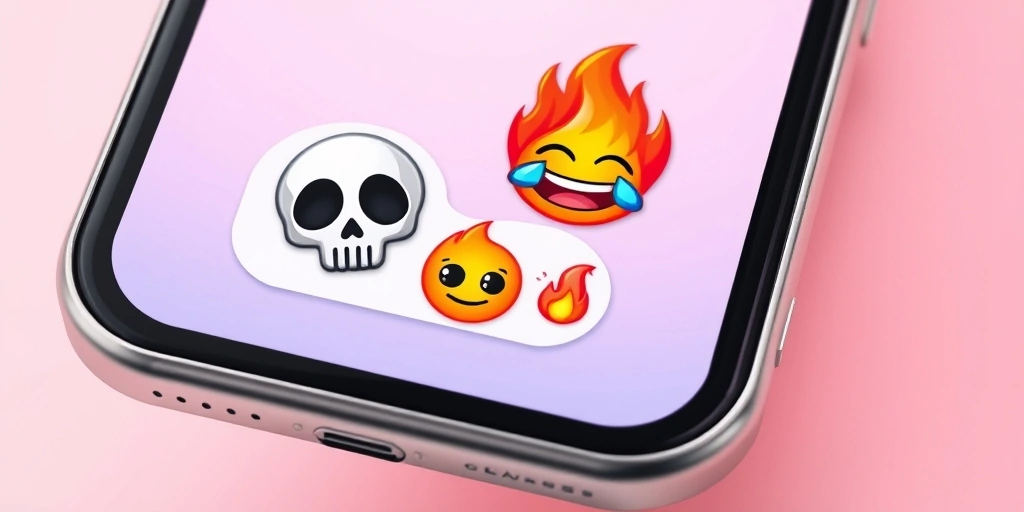
Look no further than the skull emoji (💀). A few years ago, this was purely macabre. Today, it's the universal signifier for "I'm dying of laughter" or "this is so absurd it killed me." This transformation didn't happen because the Unicode Consortium decreed it. It happened organically, user by user, tweet by tweet, until the new meaning became the dominant one. It speaks to a culture where hyperbole and self-deprecating humor are the currency of connection.
Conversely, some emojis fade from common use, not because they're removed, but because the cultural context that gave them life has shifted. Their meanings become outdated, or newer, more specific emojis take their place. This constant churn is a direct reflection of how fast online culture moves. You can almost chart generational divides and platform migrations by which emojis are used earnestly versus ironically. For more on the secret life of these icons, check out our piece on how emojis keep up.
Platform-Specific Dialects
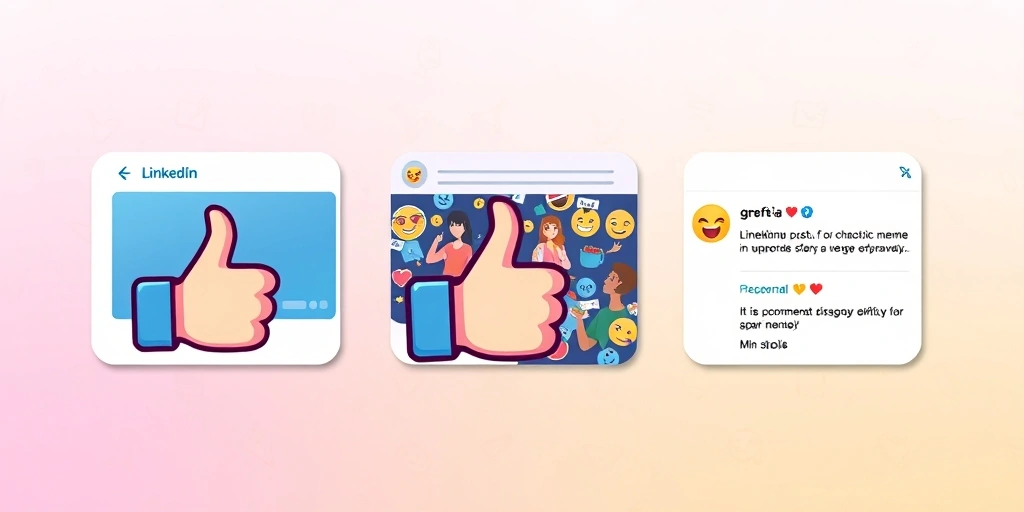
One of the most fascinating developments is the emergence of platform-specific emoji dialects. The way emojis are used on, say, LinkedIn is vastly different from how they're deployed in a TikTok comment section. On professional networks, emojis are often restrained, used for mild emphasis or approachability—a single clapping hands or a thumbs-up. Venture onto more casual, community-driven platforms, and you'll find a riot of sequential emojis, custom combinations, and deeply coded meanings known only to in-groups.
This isn't accidental. It's a form of cultural adaptation. Users subtly (or not so subtly) modify their language—including their visual language—to fit in, to signal belonging, and to communicate efficiently with their intended audience. The emoji set becomes part of a platform's unique identity and etiquette. Exploring these emoji culture and trends reveals how our digital tribes form.
This tribal aspect is powerful. Using a specific emoji in a specific way can immediately signal that you're "in the know," that you understand the current joke or the mood of a community. It's a shorthand for shared experience. When a new viral trend or global event happens, you can watch in real-time as a particular emoji is adopted as its symbolic representation, creating a fleeting but powerful sense of unity among millions of strangers.
Emojis as Emotional Barometers
Beyond slang and in-jokes, emojis have become a crucial tool for expressing complex emotional states that plain text struggles to capture. The growth of heart emojis in different colors, the pleading face, the face holding back tears—these aren't just additions; they're responses to a need. As we conduct more of our emotional lives online, we've demanded a more nuanced palette to paint with.
This reflects a broader cultural shift towards acknowledging and articulating mental health, empathy, and support in digital spaces. Sending a purple heart or a hugging face can be a way of offering comfort across miles, a visual gesture that carries weight. The emojis that see surges in popularity often align with the collective emotional landscape—whether that's anxiety, solidarity, exhaustion, or hope. The secret language of emojis is deeply tied to this emotional signaling.
So, the next time you scroll through your recently used emojis, take a second look. That collection is more than a convenience tool. It's a personalized snapshot of your digital circles, the conversations you're having, and the cultural air you're breathing online. It shows who you're talking to, what you find funny, and how you choose to soften or emphasize your words in a world of flat text.
The story of emojis is ultimately the story of us trying to be human in digital spaces. As our online cultures continue to evolve, fragment, and hybridize, so too will the little pictures we use to navigate them. They are, in practice, a living archive—a constantly updating reflection of what matters to us, what makes us laugh, and how we connect, one tiny, colorful character at a time.
📒 Related Blogs
More...When Emojis Go Wrong: The Subtle Ways They Backfire in Casual Chats
The Secret Life of Emojis: How They Morph with Every Internet Trend
Decode the Digital Silence: How Emojis Revolutionize Online Communication Clarity
The Emoji Nod: How a Simple Symbol Became Our Go-To Quick Reply
Effortless Express: How Emojis Revolutionize Your Daily Chats
The Unseen Power of Emojis: How They Steer Our Subconscious in Every Text