The Unseen Power of Emojis: How They Steer Our Subconscious in Every Text

Feb 26,2026
Think about the last time you got a text that was just plain text. No smiley face, no thumbs up, just words on a screen. How did it land? For many of us, that kind of message feels a bit… cold. It’s missing something. That ‘something’ is often the emotional context that emojis effortlessly provide. But their role goes deeper than just adding a splash of color. Often, without us even realizing it, emojis guide our subconscious reactions in digital conversations.
We’re wired to read faces and body language. In person, a raised eyebrow or a slight smile can completely change the meaning of a sentence. Online, where those cues are absent, emojis step in to fill the void. They’re not just cute pictures; they’re a form of digital body language. When someone sends “Great job 😊” versus “Great job.”, our brain processes those two messages differently on a fundamental level. The first feels warm and genuine. The second can feel sarcastic, distant, or even critical, depending on the context.
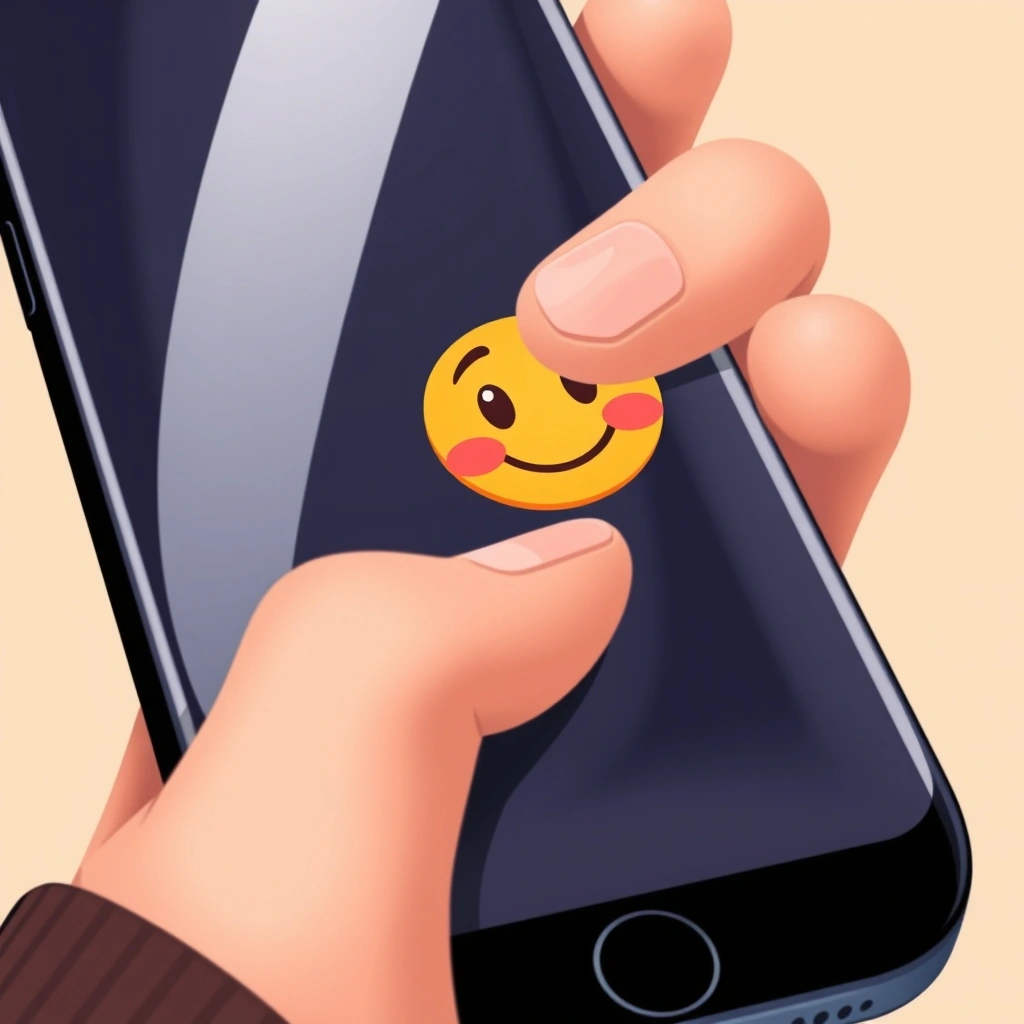
This happens in a flash. We don’t consciously stop and analyze the emoji. We just feel the tone. A heart emoji can soften a request, making “Can you grab milk? ❤️” feel like a team effort rather than a chore. A single crying-laughing face can transform a potentially awkward statement into a shared joke. The emoji acts as a signal, directing our emotional interpretation before our logical mind even catches up. It’s this instant, gut-level reaction that makes them so powerful.
Steering the Emotional Current
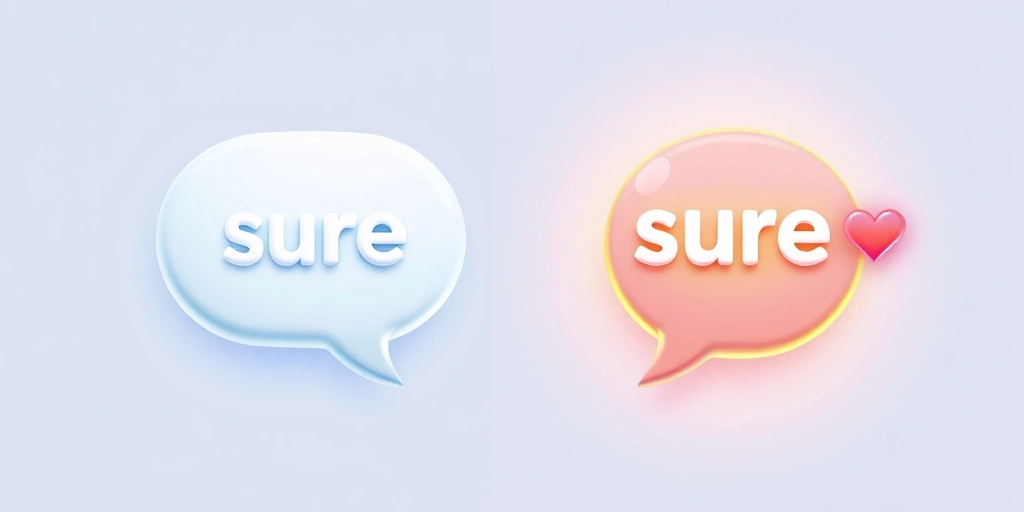
Consider a group chat planning a weekend outing. Someone suggests an idea. The next person replies with just “Okay.” The conversation might stall, the energy dipping. But if that reply is “Okay! 👍” or “Okay 😄”, the emotional current of the chat shifts. The emoji broadcasts approval and enthusiasm, encouraging others to chime in. It’s a subtle nudge that says, “I’m on board, let’s keep this going.” The emoji isn’t the content of the message; it’s the director of how that content should be received and felt by the group.
This guiding function is crucial because text is notoriously ambiguous. Sarcasm, irony, and sincerity can be impossible to distinguish without tone. An emoji acts as a clarifier, pinning down the intended emotion. It reduces the mental load on the receiver, who doesn’t have to wonder, “Are they mad? Are they joking?” The subconscious gets a clear cue and reacts accordingly, fostering smoother and more connected interactions.
More Than Decoration: A Subconscious Anchor
We often talk about the power of emojis to build bonds and erase doubt, and this is the mechanism behind it. By providing an emotional anchor, they prevent misunderstandings that can fester. A well-placed emoji can defuse tension, show support, or express empathy in a way that words alone sometimes struggle to achieve. It’s a shortcut to shared understanding.
This isn’t about manipulating reactions, but about facilitating clearer human connection. When we use a smiling emoji, we’re consciously choosing to project warmth. The person receiving it subconsciously registers that warmth, which influences their response. It creates a positive feedback loop in the conversation. The emoji guided their reaction, which in turn guides their reply, and so on. The entire tone of a lengthy chat can be set by the emojis used in the first few exchanges.
So next time you’re about to send a message, pause for a second. Think about the emotion you want to convey. That tiny, colorful character you choose isn’t just an afterthought. It’s a quiet conductor, subtly guiding the other person’s heart and mind to meet yours in the middle of the digital space. It’s how we feel our way through conversations where we can’t see each other’s faces, and it’s a fascinating glimpse into the psychology of how we connect now.
For more insights into how emojis shape our digital lives, explore our other articles on emoji psychology.
📒 Related Blogs
More...The Unseen Hand: How Online Communities Shape Our Favorite Emojis
The Future of Emojis: What New Icons & Features Can We Expect?
The Quiet Confidence of Emojis: When Words Aren't Enough
The Quiet Nod: How Emojis Acknowledge Messages in Our Daily Chats
Beyond Words: How Emojis Secretly Shape What Others Think of You
The Secret Language of Our Screens: How Emojis Mirror Cultural Moods Online