The Instant Feeling: Why Emojis Spark Our Gut Reactions in Texts

Feb 25,2026
The Missing Piece in Plain Text
Think about the last time you sent a plain text message. Maybe it was just "Okay" or "Sounds good." Now, think about how you felt sending it. Were you worried it might sound cold? Sarcastic? Disinterested? That anxiety is the exact problem emojis solve. In a face-to-face chat, we have tone of voice, facial expressions, and body language to carry our intent. In a text, all of that is stripped away, leaving a void our brains desperately try to fill. Emojis rush in to fill that void, providing the missing emotional context.
Our brains are wired for efficiency. When we read text, we're not just processing words; we're instantly trying to assess the sender's emotional state and intent. It's a survival mechanism repurposed for social survival. An emoji acts like a highlighter for emotion, telling our brain, "Pay attention here—this is the tone." Without it, we're left guessing, and our guesses are often biased toward the negative. This is why a simple period can feel aggressive and why a well-placed smiley can completely change a message's meaning.
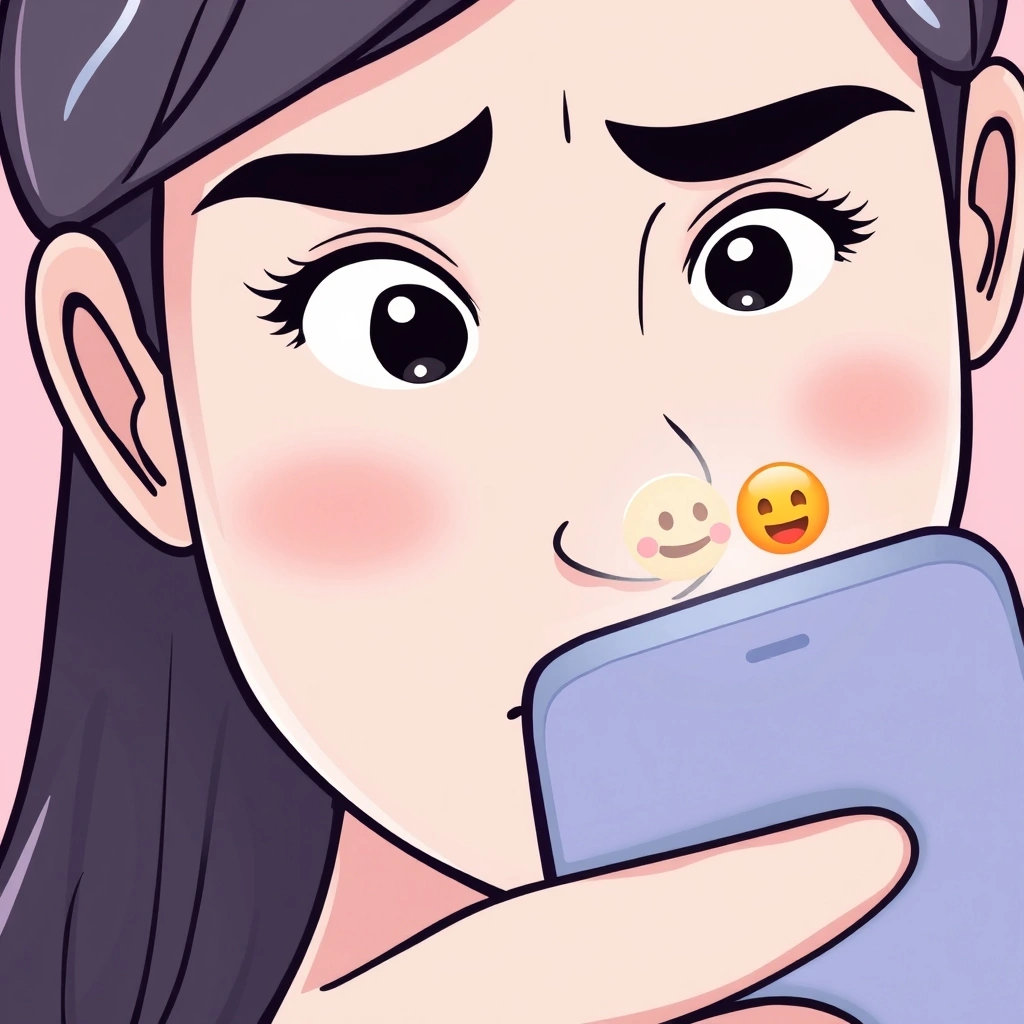
Emojis as Emotional Shortcuts
This isn't just about being nice. It's about cognitive processing speed. Reading an emoji is incredibly fast. Our visual cortex processes the simple, colorful icon almost instantly, bypassing some of the slower, more analytical parts of the brain used for parsing complex language. The emotional meaning of a 😂 or a 😔 is delivered in a fraction of a second, triggering a gut feeling before we've even fully finished reading the words around it.
This creates what psychologists might call a "priming" effect. The emoji sets the stage. If you see a ❤️, your brain is primed to interpret the following words with warmth and affection. If you see a 😠, you're primed for frustration or anger, even if the actual words are neutral. This instant judgment isn't a flaw; it's a feature of how we've adapted to communicate at the speed of our thumbs. For more on how these tiny icons shape our talks, you can explore the hidden power of emojis.
Why We Trust the Emoji Over the Words
Here's a fascinating twist: sometimes, we trust the emoji more than the text itself. If a friend writes "I'm fine" followed by a 😤, which signal do you believe? Most of us will trust the emoji. Why? Because we perceive emojis as less controllable, more authentic glimpses of true feeling. We've all carefully crafted a text to sound a certain way, but slapping on an emoji feels like an involuntary emotional leak. It's seen as a truer representation of the sender's state of mind.
This is especially powerful in ambiguous situations. Sarcasm, for example, is notoriously difficult to convey in writing. A 😉 or a 😏 at the end of a sentence acts as a universal sarcasm tag, instantly flipping the meaning and preventing misunderstanding. Without it, the same sentence could be read as sincere or even rude.
The Social Glue in Our Pockets
Ultimately, this quick-trigger judgment is about connection and social cohesion. Emojis help us maintain relationships in a low-context environment. They soften blows, show support, and share joy in a way that words alone sometimes can't. That quick hit of emotion you feel when you get a heart or a celebrating emoji? That's social bonding happening at digital speed. It reassures us that we're understood and that our feelings are mirrored.
Of course, this system isn't perfect. Emoji misinterpretation is real (does that 😬 mean awkward or pain?). Cultural and generational differences in meaning exist. But the very fact that we try, that we use these icons to bridge the emotional gap, speaks to a fundamental human need. We don't just want to exchange information; we want to connect on an emotional level, even in a text message. The rules of this new language are always evolving, and understanding the unspoken rules of emojis can help us navigate it better.
So the next time you feel an immediate reaction to a text, pause for a second. Check the emojis. That little icon isn't just decoration; it's the most powerful part of the message, steering your gut reaction and shaping the entire emotional landscape of your conversation. It's the heartbeat of our digital dialogue.
📒 Related Blogs
More...The Secret Language of Emojis: How Online Communities Shape Our Digital Expression
When Emojis Go Rogue: How Group Chats Become Tone-Deaf Minefields
Beyond the Smile: Understanding the Global Cultural Nuances of Emojis
The Quiet Magic of Emojis in Everyday Check-Ins
Emoji Magic: How Little Icons Make Your Digital Chats Flow Seamlessly
The Future of Emoji: Unlocking New Dimensions of Digital Expression