The Unspoken Wait: How Emojis Whisper Our Anticipation

Mar 13,2026
You know the feeling. You send a text. Maybe it’s a question, a vulnerable thought, or just a funny meme. Then, the wait begins. The little ‘Delivered’ tag appears, and then… nothing. The screen is just a static, silent rectangle. In that space, a strange kind of emotional physics takes over. Time stretches. Doubt creeps in. And often, it’s a tiny, colorful symbol that ends up holding all that tension.
It’s not the message itself that carries the anticipation. It’s what comes after—or what doesn’t. The hesitation to reply, the overthinking of a response, the simple act of being busy—all of this creates a vacuum. And into that vacuum, we send emojis. They’re not just reactions; they’re placeholders for complex human states. A single emoji can mean “I saw this,” “I’m thinking,” “I don’t know what to say,” or “Please don’t think I’m ignoring you.”
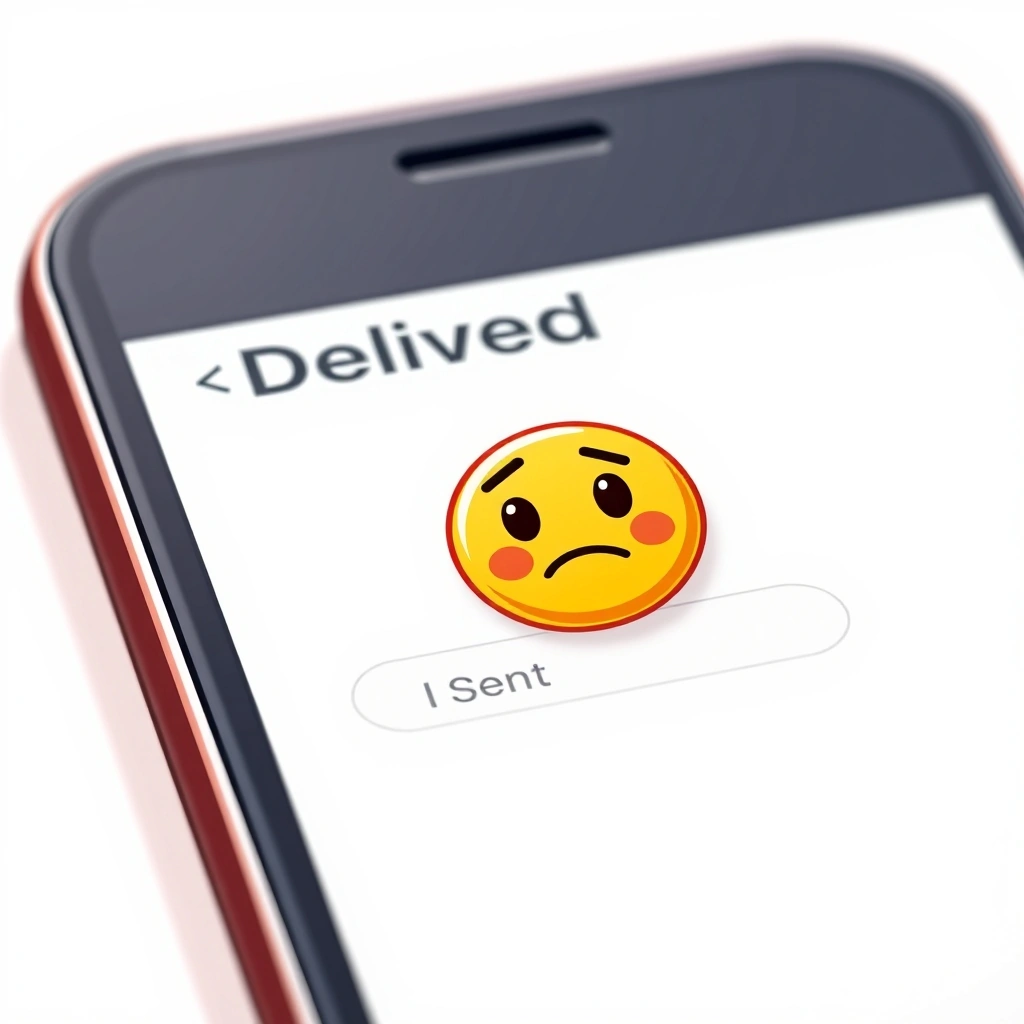
Think about the last time you got a message that was just an emoji. Maybe it was a thinking face, a nervous smile, or a pair of pleading eyes. You didn’t just see a cartoon image. You felt a person on the other side, grappling with a response. That emoji was a bridge across the silence. It said, “I’m here in this awkward pause with you.” It transformed the blank space from a void of potential neglect into a shared, acknowledged moment of hesitation.
This is where emojis do their most subtle work. They don’t always advance the conversation in a linear way. Instead, they manage the emotional subtext of the pause. A thumbs-up can be a gentle “acknowledged, standby.” A heart can soften the blow of a delayed, longer reply. They are the digital equivalent of a nod, a sigh, or a glance away while collecting one’s thoughts. They keep the connection warm when words are still forming.
The Weight of the Three Dots
We’ve all watched those three dancing dots with bated breath. They are the ultimate symbol of anticipation in progress. But what happens when the dots appear… and then vanish without a message? That’s an emotional cliffhanger. Often, what follows is an emoji. It’s the consolation prize, the diplomatic solution. The sender tried to type, couldn’t find the words, and sent a symbol instead to break the tension they themselves created. The emoji becomes an apology for the hesitation, a way to say, “The words failed me, but my presence didn’t.”
This dance is a core part of modern empathy. We’re learning to read not just the symbols, but the timing and the context around them. A laughing-crying emoji sent immediately is pure reaction. The same emoji sent five minutes later, after a visible pause, tells a different story. It might mean, “It took me a minute to get the joke,” or “I was hesitant to laugh, but I finally did.” The hesitation itself becomes part of the message.
When Silence Speaks Louder
Sometimes, the most powerful use of an emoji is when it finally arrives after a long, unexplained silence. It doesn’t even need to be related to the previous text. A sun, a coffee cup, a random animal—it can feel like a peace offering. It’s a low-stakes way to re-enter a conversation after being mentally absent, to signal “I’m back” without having to explain where you went. It carries the unspoken subtext: “I was away, but I’m thinking of you now.” The anticipation of your return is resolved not with an essay, but with a pictograph.
This emotional function of emojis is something we intuitively understand but rarely dissect. We feel the relief when a waiting period ends with a friendly emoji. We sense the anxiety when a typically prompt friend responds with just a cryptic symbol. These small graphics have become the punctuation for our emotional rhythms in conversation. For more on how these tiny symbols shape our digital dialogues, explore our thoughts on emoji and emotion.
In the end, our digital conversations are full of these micro-gaps—spaces where human processing happens. Emojis have gracefully filled these spaces, not as a replacement for words, but as a supplement for the feelings that exist in the margins. They carry our anticipation, soften our hesitation, and assure the other person that the connection is still alive, even when we’re temporarily lost for words. They whisper what we can’t yet say, making the silent wait a little less lonely. The next time you see one appear after a pause, remember: you’re not just looking at a fun icon. You’re witnessing a small, profound act of emotional translation. To see another perspective on this silent dialogue, you might find this related article interesting.
📒 Related Blogs
More...The Quiet Power of Emojis: How They Build Confidence in Private Chats
Beyond Reaction Buttons: How Emojis Drive Social Impact and Global Change
The Hidden Power of Emojis: How a Simple Symbol Can Change a Conversation's Tone
How Emojis Become the Heartbeat of Viral Moments
The Unsung Heroes of Your Chats: How Emojis Keep the Conversation Alive
The Slow Dance of Emojis: How They Quietly Reshape Our Long Conversations