The Unsung Heroes of Your Chats: How Emojis Keep the Conversation Alive

Mar 08,2026
You know that feeling. You send a text, maybe a funny story or a simple "how was your day?" and then... silence. The little typing indicator appears, disappears, and then nothing. The conversation just sort of... stops. It’s not a fight, it’s not even awkwardness, really. It’s more like a conversational flatline. We’ve all been there, on both sides. In those moments, what our messages are often missing isn’t more words—it’s a little spark of feeling.
That’s where our tiny, colorful friends come in. Emojis aren't just digital stickers or playful decorations. In the fast-paced, text-heavy world of our daily chats, they’ve become the essential grease for the wheels of conversation. They do the emotional heavy lifting that our plain text often can't manage on its own.
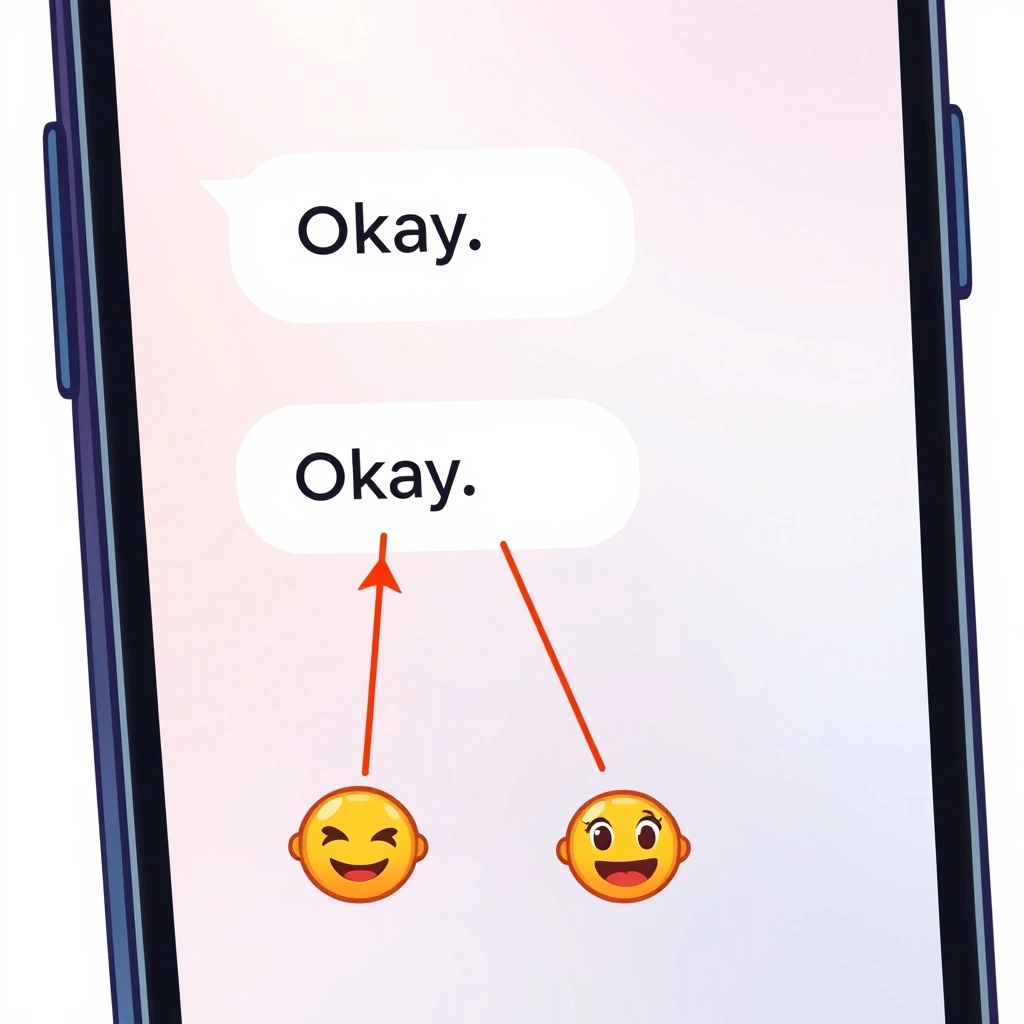
Think about a simple "okay." On its own, it can feel cold, dismissive, or even annoyed. But "okay 😊"? That’s agreement with a smile. "Okay 🫠"? That’s a resigned, 'this is fine, I'm melting but it's fine' kind of acceptance. "Okay 👀"? Now you’ve got intrigue and curiosity. The word is the same, but the emoji completely changes the tone and, more importantly, the direction of the chat. It gives the other person something to respond to, an emotional cue to pick up on.
This is especially crucial because texting strips away all the non-verbal cues we rely on in person—the tone of voice, the facial expression, the body language. Without them, our intent gets lost in translation. A sarcastic comment becomes a rude one. Enthusiasm can be read as indifference. Emojis step into that void. They are the wink, the nod, the gentle nudge that says, "I’m joking," or "I’m listening," or "Tell me more."
From Full Stop to Conversation Starter
One of the most powerful ways emojis keep things flowing is by turning potential full stops into ellipses. A message that could be an endpoint becomes an invitation.
Let’s say a friend texts you about a stressful work meeting. You reply, "That sounds rough." It’s empathetic, but it’s also a bit of a dead end. What can they say back? "Yeah..." and then the chat dies. But what if you send, "That sounds rough 😮💨"? That sighing face adds a layer of shared exhaustion and understanding. It opens the door for them to vent a little more, to feel heard. Or you could try "That sounds rough 😬 Good luck with the rest of your day!" The grimace shows you feel their pain, and the well-wishing pushes the conversation forward into the future.
They’re also brilliant for bridging gaps and maintaining rhythm. When someone sends you a long, detailed story, replying with just "lol" might feel insufficient. But "lol 😂" or "NO WAY 😱" shows you’re not just acknowledging their message—you’re reacting to it. You’re giving them feedback in real-time, just like you would if you were sitting across from them. It keeps the energy of the exchange alive.
The Gentle Art of the Digital Nudge
Beyond reaction, emojis are masters of the soft prompt. We all have those friends who take a while to reply. Sending a "?" or a "hello???" can feel aggressive. But a single "👀" or a playful "🤔" sent after a little while is a much gentler, more curious nudge. It says, "I’m thinking about that thing you said," or "I’m still here and interested," without any pressure. It’s a low-stakes way to reignite a chat that’s cooling down without making the other person feel accused.
This is part of the art of intentionality with emojis. It’s about choosing the symbol that doesn’t just represent your feeling, but actively shapes the conversation you want to have. A heart (❤️) can deepen intimacy. A crying-laughing face (😂) can amplify joy. A thinking face (🤔) can invite collaboration. Each one is a tiny steering wheel for your chat.
Of course, it’s not about peppering every sentence with a dozen icons. That can have the opposite effect and feel overwhelming. It’s about strategic, thoughtful placement. A well-chosen emoji at the end of a paragraph, or as a reaction to a key point, is worth more than a scattergun approach. It’s the punctuation mark for the modern age, carrying far more meaning than a simple period ever could.
At its heart, using emojis to keep the flow going is about empathy. It’s about recognizing that on the other side of the screen is a person who can’t see your face, and giving them a little help to understand you. It’s about investing a tiny bit of extra effort to make your digital communication feel less like data transfer and more like human connection. It turns a transactional exchange of information into a shared, emotional space.
So next time you feel a conversation start to lag, or you worry your text might be misinterpreted, don’t just send more words. Try sending a feeling instead. You might be surprised at how a single, small symbol can open up a whole new path for the chat to take. After all, the best conversations aren't just about what we say, but how we make each other feel while saying it. And sometimes, that feeling is best delivered with a smiley face.
For more insights on the subtle power of these symbols in our daily digital lives, explore our other guides on how to use emojis.
📒 Related Blogs
More...When Emojis Backfire: The Hidden Misunderstandings in Your Texts
The Hidden Power of Emojis: How a Simple Symbol Can Change a Conversation's Tone
The Secret Language: How Emojis Unleash Powerful Reactions in Shared Social Posts
The Gentle Art of the Quick Reply: How Emojis Soften Our Fast-Paced Chats
When Emojis Backfire: How a Simple Smiley Can Confuse Your Professional Message
The Secret Language of Two: How Emoji Pairs Reshape Group Chat Understanding