When Words Feel Too Heavy: How Emojis Carry Our Unspoken Feelings

Feb 28,2026
We’ve all been there. The cursor blinks in the text box, a silent accusation. You’ve typed out the words, then deleted them. Typed them again, rearranged, softened the tone. But it still feels… too much. Too direct. Too vulnerable. Too risky. What if they take it the wrong way? What if the starkness of the text, devoid of tone, makes your care sound like criticism, or your hesitation sound like disinterest?
In these moments, language can feel like a clumsy tool. It’s all sharp edges and heavy weight. This is where something smaller, softer, and more intuitive often takes over. It’s not a replacement for words, but a companion to them. A single tap can add a layer of meaning that a dozen carefully chosen adjectives might fail to convey.
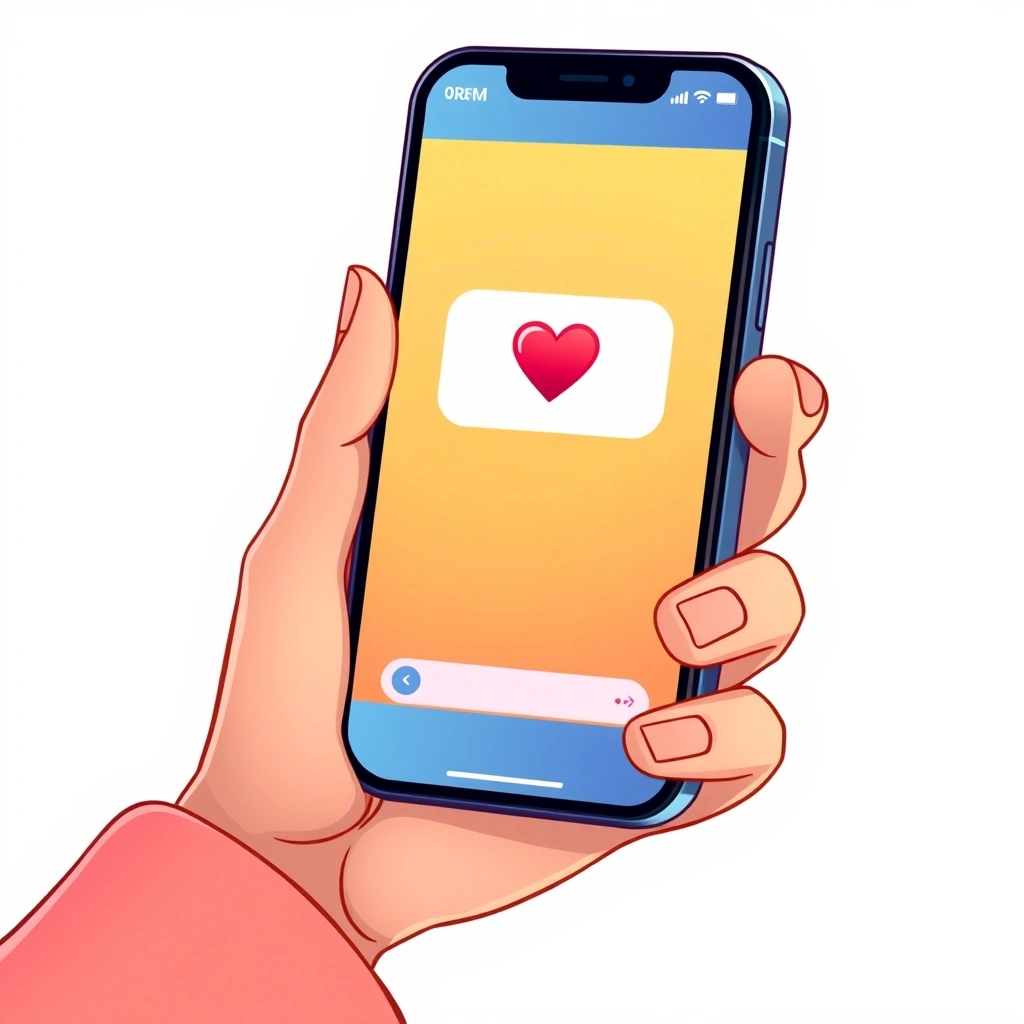
Think about the last time you sent a message that felt loaded. Maybe you were checking in on a friend going through a tough time. “How are you holding up?” is a good question, but it can also feel like an invitation to a conversation they might not have the energy for. Adding a simple heart or a folded hands emoji doesn’t change the question. It changes the atmosphere around it. It whispers, “I’m asking with care, not curiosity. No pressure to perform okay-ness for me.”
Or consider the realm of tentative invitations and gentle rejections. “We should hang out soon!” can read as enthusiastic or passively obligatory. Tacking on a smiling face with smiling eyes or a hopeful star can tilt the scales toward genuine warmth. On the flip side, “Sorry, I can’t make it” is a flat statement. Following it with a weary face or a pleading face softens the landing. It visually communicates the “I wish I could” that often gets lost in translation.
The Safety of Symbolism
These tiny symbols offer a kind of emotional safety net. They allow us to express a feeling without fully owning the statement that accompanies it. It’s a way of being emotionally honest while maintaining a bit of protective distance. You’re showing your hand, but not your whole cards. This is especially powerful in newer relationships or professional settings, where the rules of engagement are still being written. A well-placed emoji can test the waters of rapport without the risk of a full verbal plunge.
This function of emojis—acting as emotional shortcuts and tonal clarifiers—is a fascinating part of how we navigate digital conversations. They help us manage the inherent ambiguity of text-based communication.
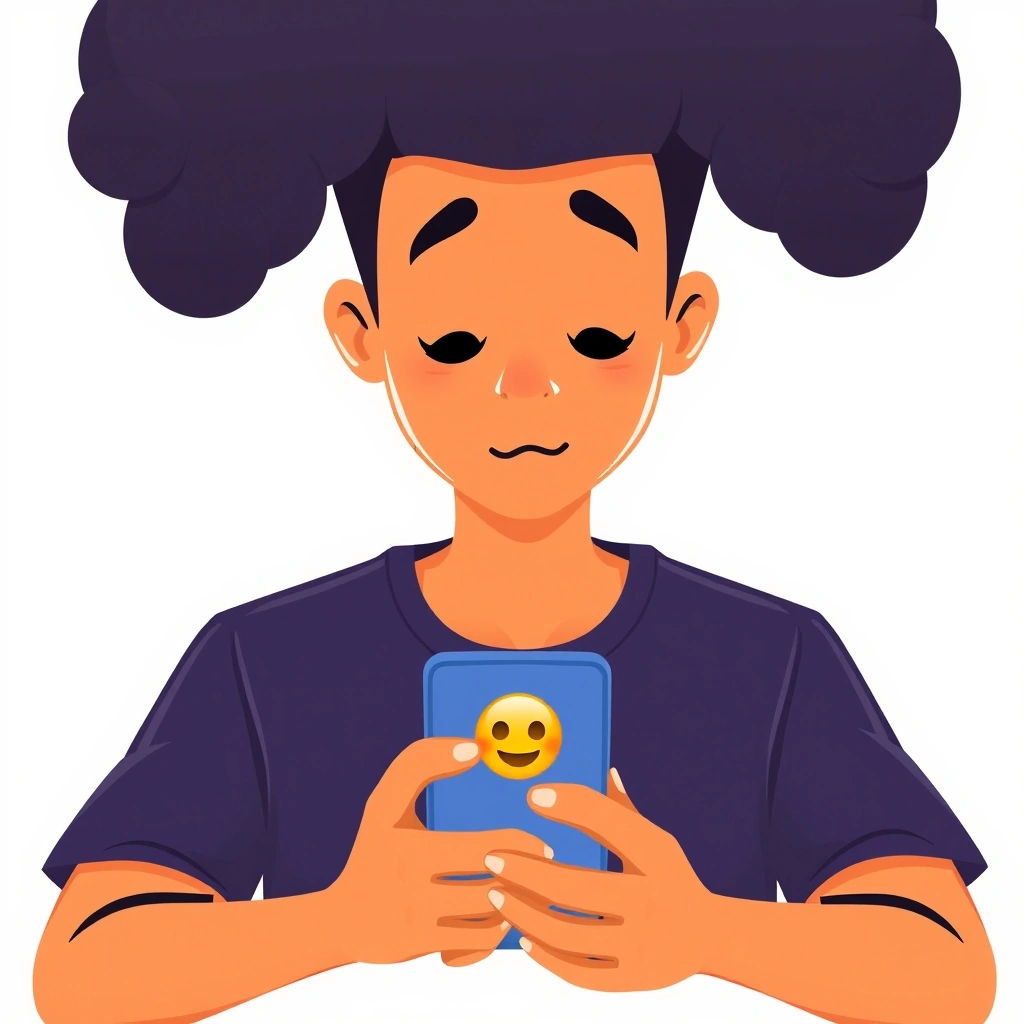
There’s also the language of hesitation and uncertainty. Words like “maybe,” “I’m not sure,” or “I think” do the job, but they can also sound cold or non-committal. Sometimes, the true emotion isn’t indecision, but thoughtful caution. A thinking face, a face with a monocle, or even a simple shrug can convey a mind actively working on a problem, rather than a brush-off. It makes the process of thinking visible and shared.
When Vulnerability Needs a Disguise
Perhaps the most poignant use is when we’re expressing something deeply felt but scary. Saying “I miss you” can feel incredibly exposing. Sending a sunset or a cup of coffee with a winky face might be your way of saying, “This made me think of you,” which is just a gentler, coded version of the same sentiment. It’s vulnerability in a costume. The message gets through, but the sender feels a little less naked in the process.
This isn’t about being dishonest or cryptic. It’s about finding a mode of expression that matches the complexity of human emotion. Our feelings are rarely pure and simple; they’re often layered with contradiction, fear, hope, and caution. Plain text can struggle with that nuance. A visual symbol can hold multiple meanings at once—sadness and support, excitement and nervousness, love and hesitation.
Of course, this system isn’t foolproof. Interpretation varies, and what feels like a gentle nudge to one person might be a confusing puzzle to another. But that’s true of all communication, verbal or otherwise. The attempt itself—the effort to color outside the lines of text to better convey your internal state—is what matters. It’s an act of care. You’re not just sending information; you’re trying to send a piece of your emotional context along with it.
So the next time you find yourself hovering over the send button, wrestling with words that feel too blunt or too bare, remember you have another tool in your kit. Don’t underestimate the quiet power of a small, symbolic ally. It won’t do the talking for you, but it can absolutely help you say what you mean. For more on how these symbols help us navigate delicate topics, you might find this exploration of emojis in sensitive conversations really insightful.
In the end, our digital conversations are striving for the same richness as our face-to-face ones. We use these pictures not because we have nothing to say, but because we have too much feeling to fit into words alone. They are the sighs, the hesitant smiles, and the gentle touches of the texting world. They carry what words sometimes cannot, especially when the stakes feel high and words feel too risky.
📒 Related Blogs
More...The Tiny Emoji That Makes Your Work Emails Feel Warmer
The Silent Peacemakers: How Emojis Dissolve Digital Tension and Misunderstandings
The Psychology of Emojis: Decoding Your Digital Emotions
The Pause Before the Emoji: How a Tiny Symbol Can Hold Space in a Difficult Conversation
The Mind's Shortcut: How Emojis Speed Up Our Digital Conversations
The Secret Language of Emoji Pairs: How Two Tiny Icons Change Everything You Say