When Words Feel Too Risky: How Emojis Quietly Clarify Our Intentions

Feb 26,2026
We’ve all been there. Staring at a text box, fingers hovering over the keyboard, the words typed and then deleted. The message feels too direct, too cold, or maybe just too ambiguous. You want to say something, but the risk of being misunderstood feels incredibly high. In these moments of hesitation, a small, colorful character often becomes our saving grace.
It’s not about replacing words. It’s about supporting them. A simple smile can transform a blunt statement into a friendly nudge. A thoughtful face can signal that your short reply isn’t dismissive, but that you’re genuinely considering what was said. This is the subtle, powerful role emojis play in our daily chats—they clarify our intentions when words feel too risky to stand alone.
The Space Between the Lines
Digital communication strips away so much. There’s no body language, no tone of voice, no immediate opportunity to see a confused look and correct course. All we have are black letters on a white screen, and that void is where anxiety breeds. A request can sound like a demand. A joke can land as an insult. Sarcasm, without its audible cues, often falls completely flat or, worse, causes offense.
This is the gap emojis are built to fill. They don’t shout; they whisper context. Adding a winking face to a teasing comment acts as a universal signifier for “I’m joking.” A heart after a “thank you” deepens the sentiment from polite to genuinely appreciative. They are the digital equivalent of a gentle touch on the arm during a difficult conversation—a small, nonverbal cue that says, “We’re okay.”
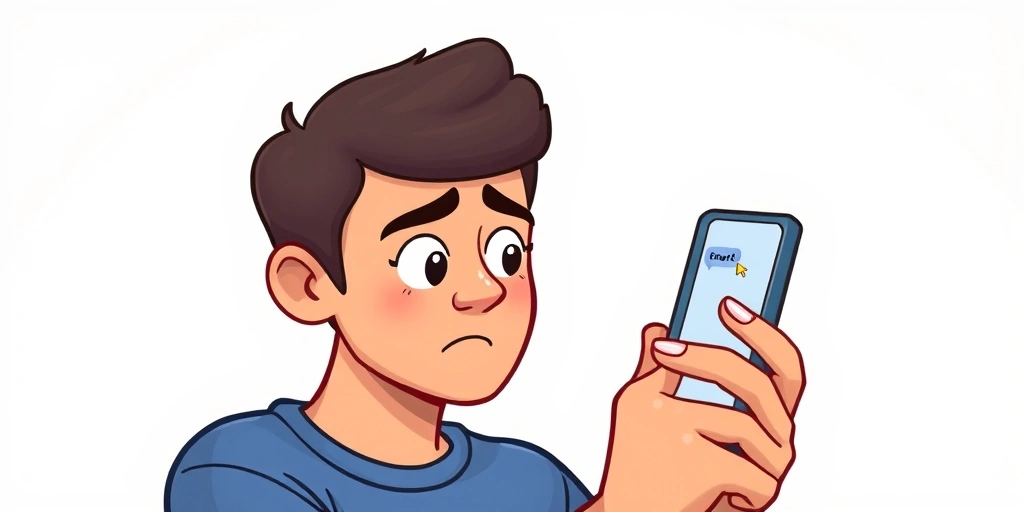
Think about the last time you sent a potentially sensitive message. Maybe you were giving feedback, expressing a need, or setting a boundary. The words themselves were necessary, but they felt sharp. Including a soft, empathetic emoji—a slightly smiling face, a folded hands—can frame those necessary words in a container of goodwill. It signals that your intent is constructive, not critical. It’s a way of being firm in your message while remaining soft in your delivery, a balance that pure text struggles to achieve. For more on navigating these sensitive moments, you might find our piece on how emojis gently guide conversations helpful.
Holding Back, But Not Shutting Down
Sometimes, clarity isn’t about saying more; it’s about implying what you’re choosing not to say outright. We often hold back from sharing everything—our full frustration, our deep worry, our overwhelming excitement—because it feels like too much, too soon, or too vulnerable for the medium.
An emoji can acknowledge that restraint. Sending a “thumbs up” when you’re actually feeling complicated about a plan acknowledges the agreement while quietly holding space for your unvoiced reservations. A single tearful face in response to bad news can express a depth of sympathy that feels more authentic than struggling to find the “right” words. It’s a form of emotional shorthand that respects both the sender’s vulnerability and the receiver’s understanding.
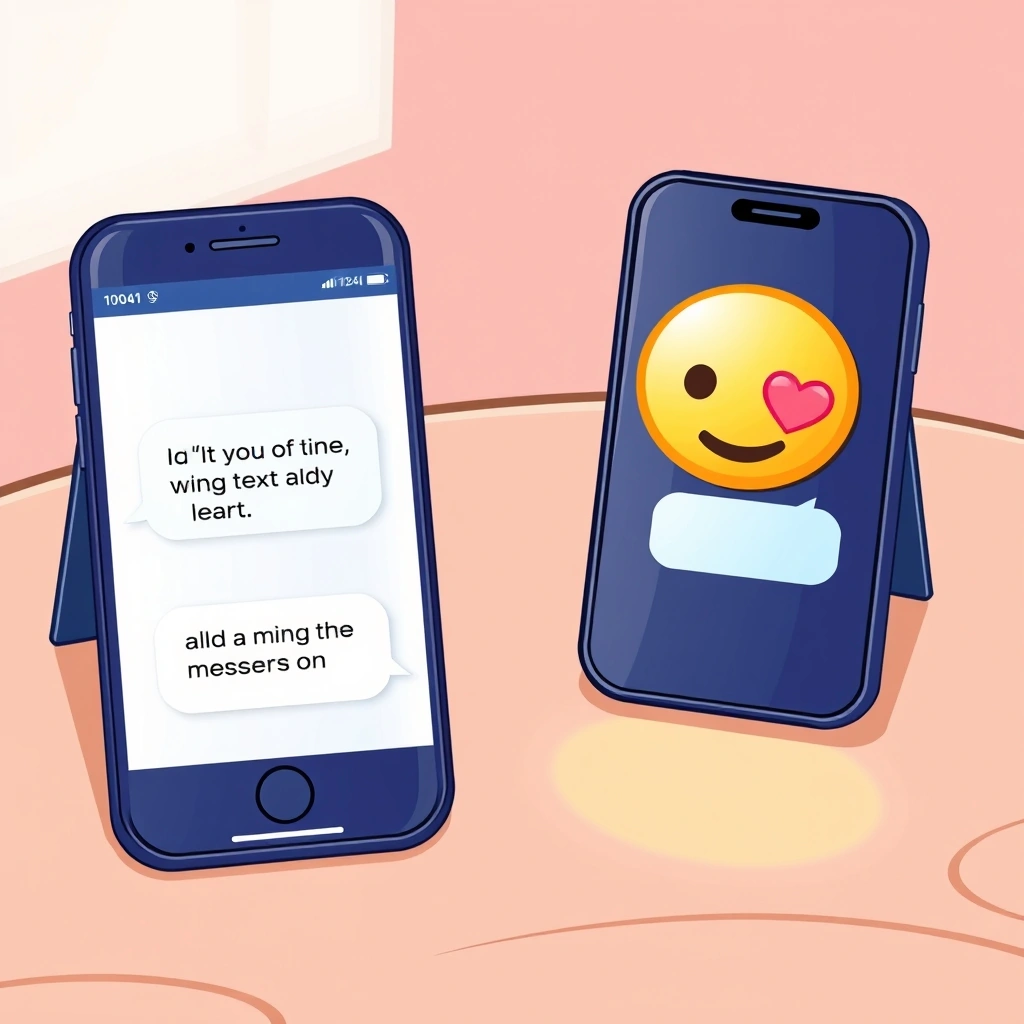
This nuanced communication builds trust over time. When someone consistently uses emojis that match the emotional subtext of a situation, we learn to read their digital voice more accurately. We start to understand that their brief texts aren’t cold, just busy, especially when punctuated by a quick coffee cup emoji. We learn that their playful teasing is always accompanied by a certain character, making the friendship feel safe and familiar, even through a screen.
It’s a quiet evolution of understanding, built one small, colorful icon at a time. The conversation isn’t just in the words anymore; it’s in the constellation of symbols we place around them. They become the steady background hum of our relationships, constantly clarifying, softening, and connecting.
And as we continue to navigate a world where so much is said without being spoken aloud, these little symbols offer a way through. They help us say what we mean, and often, what we feel but can’t quite articulate. They turn the risky silence between messages into something shared, understood, and gently illuminated.
For more reflections on the role of emojis in our digital lives, explore other articles in our Emoji & Situation category.
📒 Related Blogs
More...The Shifting Faces of Digital Culture: How Emojis Mirror Our Online Worlds
Unlocking the Mind: The Secret Psychology Behind Your Favorite Emojis
The Unspoken Peace: How Emojis Calm Unexpected Digital Ripples
The Emoji Filter: How a Tiny Icon Softens or Sharpens Your Text
Emoji Fails: When Your Public Reply Gets Lost in Translation
Did You Just Offend Someone? The Hidden Traps of Emoji Misuse in Digital Chats