Bridging the Unspoken: How Emojis Resolve Emotional Uncertainty in Group Chats

Jan 06,2026
Ever found yourself staring at a group message, wondering about the true intent behind a terse reply or a seemingly neutral statement? It happens more often than we'd like to admit. In the fast-paced, often chaotic world of group chats, the subtle nuances of in-person conversation—like tone of voice, facial expressions, or body language—are completely absent. This void can quickly lead to emotional uncertainty, leaving us to guess at moods, intentions, and reactions. What one person intends as lighthearted, another might read as sarcastic or dismissive.
The Silent Gaps in Digital Conversations
Imagine a scenario: someone in your group chat posts a somewhat ambiguous comment, maybe a short "Okay" or "Right." In person, a slight nod or a soft smile would immediately clarify its meaning. Online, however, these two simple words can carry a multitude of interpretations. Are they genuinely agreeing? Are they annoyed? Are they simply acknowledging without much thought? The silence that follows such a message often feels heavier than the message itself, pregnant with potential misreadings.
This is where the magic of emojis truly shines. They act as tiny emotional navigators, guiding our interpretations through the often-murky waters of digital text. A simple 👍 can turn a blunt "Okay" into a clear sign of agreement and encouragement. A slightly raised eyebrow 🤔 can transform "Right" into a thoughtful consideration rather than passive dismissal. They fill those silent gaps, offering a visual cue that bridges the divide between what's written and what's truly meant.
When Words Aren't Enough: The Emoji's Role
We've all been there: a topic comes up in a group chat that feels a bit sensitive, or maybe someone cracks a joke that could easily be taken the wrong way. Without the instant feedback of laughter or a shared glance, tension can build. A simple 😂 after a joke signals "I'm being playful!" A 🙏 or 🤗 can convey empathy or support in a way that a long, potentially preachy text message simply can't. These small icons are incredibly powerful in deflecting misunderstanding and fostering a sense of connection.
Consider the emotional labor saved. Instead of crafting a lengthy explanation to clarify your tone, or asking "Are you okay?" when someone's message seems off, a well-placed emoji can instantly communicate a feeling. It's a quick, efficient way to inject humanity and emotion back into our digital interactions, preventing minor uncertainties from spiraling into major miscommunications.
Navigating Group Dynamics with a Single Tap
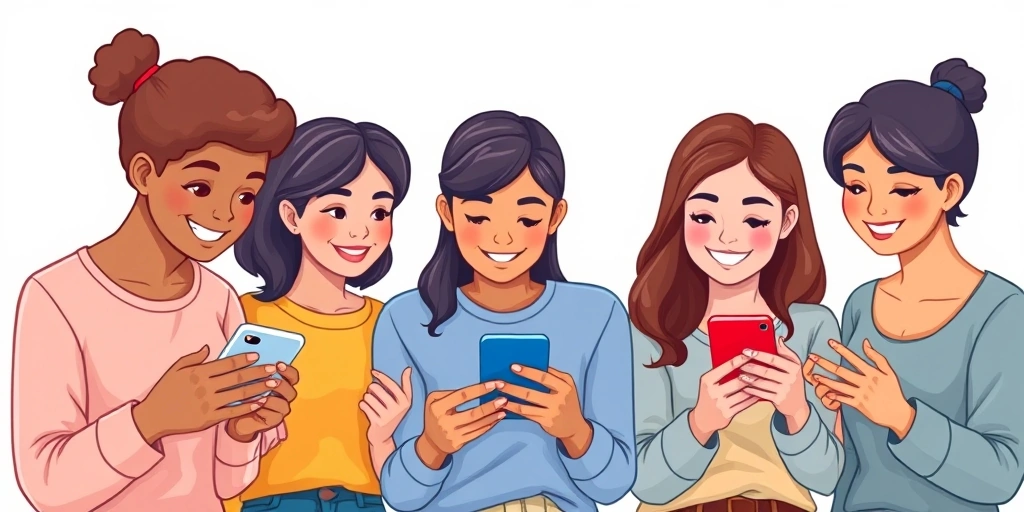
Group chats are dynamic environments, often involving diverse personalities and communication styles. What one friend considers a casual comment, another might perceive as a subtle jab. Emojis become a universal language within these groups, helping to maintain harmony and ensure everyone feels understood. If a conversation veers towards an uncomfortable topic, a quick 😅 or 😬 can signal discomfort without halting the flow entirely or calling anyone out directly. It’s a subtle way of expressing a feeling, allowing others to adjust their tone or topic if they pick up on the cue.
This aspect is particularly valuable in larger groups where direct, one-on-one clarifications are impractical. Emojis act as a collective emotional barometer, allowing members to gauge the overall mood and adjust their contributions accordingly. They prevent situations where an innocent comment leads to an awkward silence, leaving everyone wondering if they've said something wrong. They contribute to what we might call the unspoken peace, ensuring digital ripples stay calm.
The Art of Subtlety: More Than Just Icons
It’s not just about adding a smiley face to everything. The true power lies in the thoughtful, subtle application of emojis to convey specific emotional states that words alone struggle to capture. A carefully chosen emoji can confirm empathy, express gentle disagreement, show excitement, or even indicate playful sarcasm, all without needing several lines of text.
This subtlety is a skill developed over time, a sort of emotional intelligence honed in the digital sphere. We learn which emojis resonate best with our friends and family, understanding their unwritten rules and preferred ways of expressing complex feelings through simple icons. It’s a silent pact of understanding that makes group communication so much richer and less prone to misinterpretation. It truly transforms the way we interact in our daily digital lives.
Beyond Clarification: Building Deeper Bonds
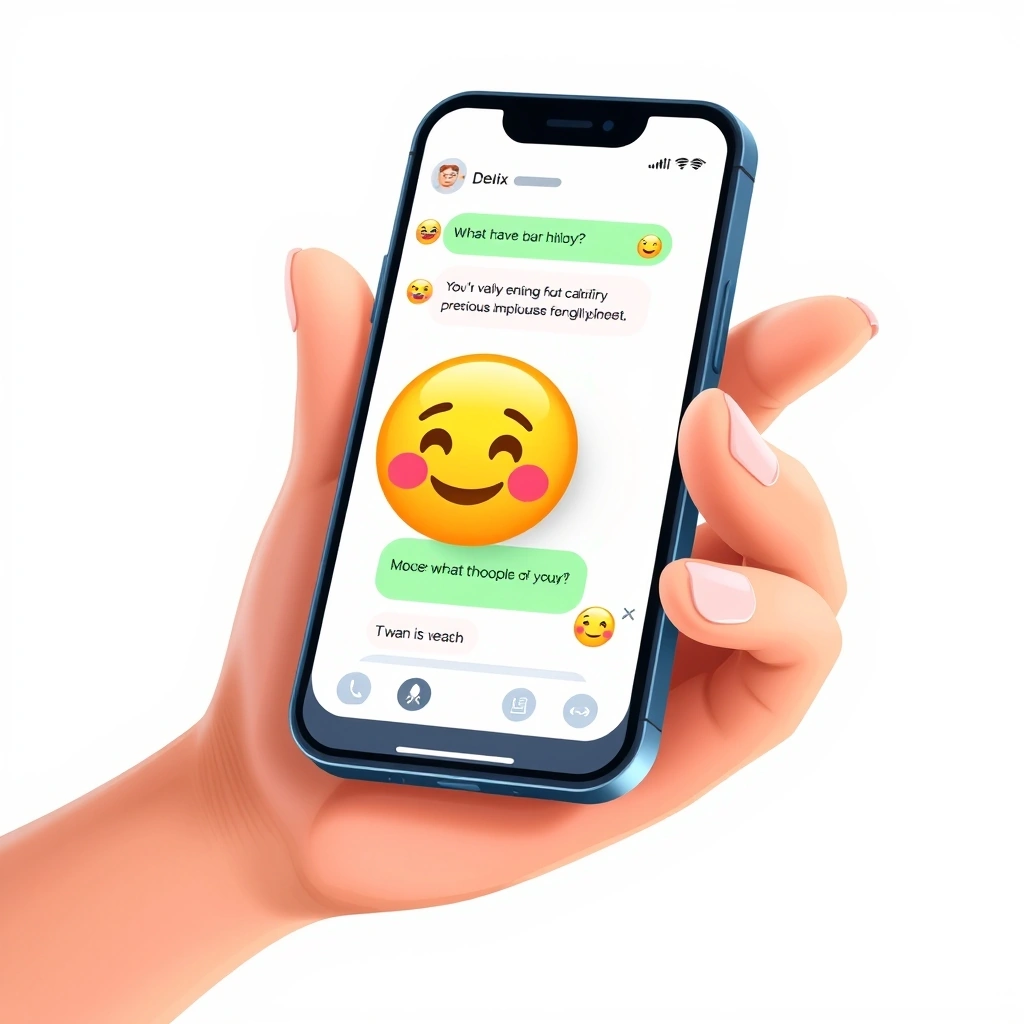
While emojis are excellent at clarifying intent, their role extends to building stronger connections. When you receive a message that truly understands your unspoken sentiment, perhaps through a perfectly placed emoji, it creates a sense of validation and closeness. It shows that the other person is not just reading your words, but also intuiting your feelings. This digital empathy is crucial in maintaining meaningful relationships in an age dominated by screen-based interactions.
In essence, emojis don't just prevent misunderstandings; they actively foster a more emotionally intelligent and understanding communication environment. They are a testament to our ongoing human need to connect, to be seen and understood, even when separated by screens and miles. For more insights on how these tiny symbols shape our interactions in various contexts, you might want to explore our Emoji & Situation category.
So, the next time you're crafting a group message, or perhaps just reading one, take a moment to consider the profound impact a tiny, well-chosen emoji can have. It might just be the silent hero that steers the conversation away from uncertainty and towards clarity, connection, and understanding. These little pictures are, without a doubt, an indispensable part of modern communication, often doing more heavy lifting than we give them credit for.
📒 Related Blogs
More...Lost in Translation? The Surprising Ways Emojis Stir Up Mixed Reactions Online
The Secret Language of Reactions: How Emojis Shape Opinions Online
When a Smiley Face Feels All Wrong: Navigating Emoji Awkwardness
Emojis in Business: Boost Customer Connection & Branding with Icons
Beyond Text: How Businesses Are Revolutionizing Marketing with Emojis
Unpacking Global Emojis: Regional Differences in Digital Communication