Emoji Etiquette: Mastering the Unwritten Rules of Digital Communication

Dec 25,2025
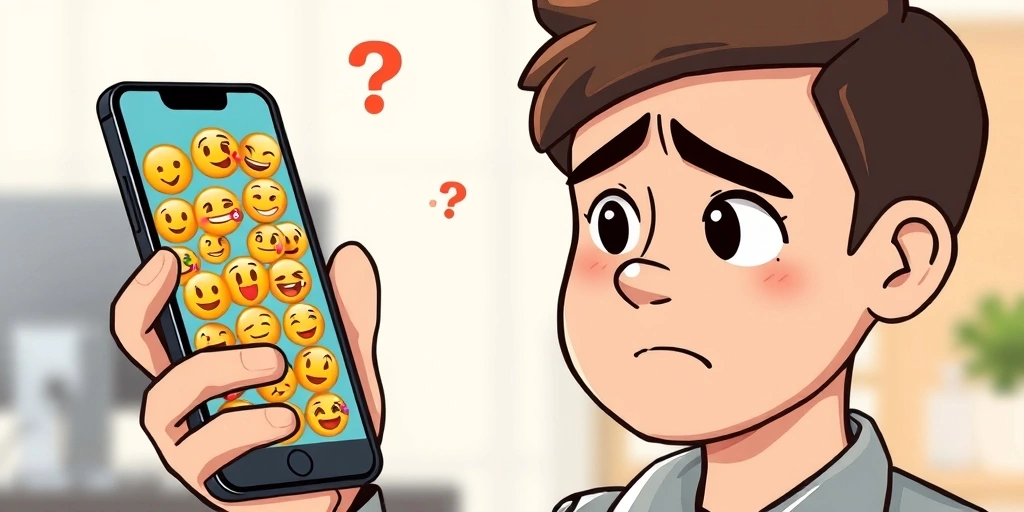
In today's fast-paced digital world, emojis are no longer just cute little icons; they're a fundamental part of how we express ourselves online. From a simple thumbs-up to a complex sequence of symbols, emojis add nuance, tone, and personality to our messages. But with great power comes great responsibility – and a whole lot of potential for miscommunication if you don't know the unwritten rules of emoji etiquette.
Understanding Your Audience: The Golden Rule of Emoji Use
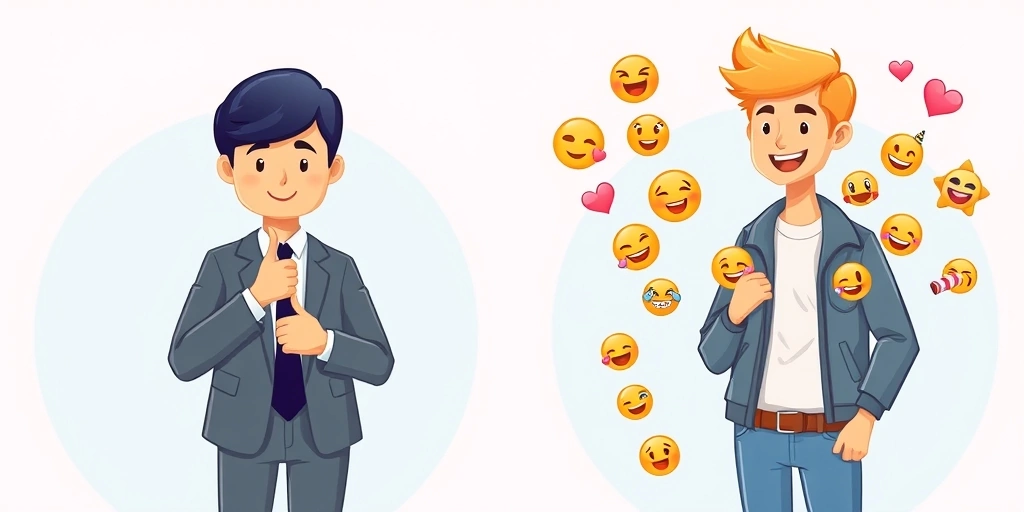
The first and most crucial rule of emoji etiquette is to know your audience. What might be perfectly acceptable in a chat with friends could be highly inappropriate in a professional email. Consider the context: are you speaking to your boss, a family member, a new acquaintance, or a long-time friend? The answer should dictate your emoji choices.
For instance, while a 😄 (Grinning Face with Smiling Eyes) might convey warmth to a colleague you know well, a more formal message to an external client might be better off without any emojis at all. Or, if you absolutely must add a touch of emotion, a subtle 😊 (Smiling Face with Smiling Eyes) could be used sparingly. Mastering this balance is key to effective digital communication. You can find a vast Emoji collection to help you choose the right one.
Professional vs. Casual: When to Use What
Business Communications: Tread Carefully
In professional settings, emojis should be used with extreme caution. While they can sometimes humanize an email or a message, overuse or inappropriate choices can make you appear unprofessional or even dismissive. If you work in a more formal industry, it's often best to err on the side of caution and avoid them altogether, or limit yourself to universally understood and positive ones like a simple 👍 (Thumbs Up) for agreement. Remember, the goal is clarity and professionalism, not casual banter.
Personal Chats: Express Yourself Freely (Mostly)
With friends and family, the rules relax significantly. Here, emojis are your friends! They can convey sarcasm, humor, affection, and a range of emotions that plain text often struggles to capture. Feel free to use popular emojis like 😂 (Face with Tears of Joy) to express laughter, or ❤️ (Red Heart) to show affection. However, even in casual settings, be mindful of overdoing it. A paragraph full of emojis can be distracting and hard to read. A great way to share these is through Emoji copy and paste options.
Avoiding Misinterpretation: The Nuances of Emoji Meanings
One of the trickiest aspects of emoji etiquette is that emojis can have multiple meanings, or their meaning can vary culturally. A simple 🙏 (Folded Hands) can mean "thank you," "please," or even "high five" depending on who you're talking to and where they are from. Always consider if your chosen emoji could be misinterpreted, especially across different demographics or cultural backgrounds. If there's any doubt, it's better to stick to plain text or choose a clearer emoji. You can quickly copy emoji like the 😂 directly from emojilar.com to ensure you're using the right one.
The Art of the Reaction: Beyond Basic Emojis
Many messaging platforms now allow for emoji reactions to messages. This is a fantastic way to acknowledge a message without typing out a full response. A quick ❤️ to show you love a message, or a 👍 to acknowledge you've seen it, can be incredibly efficient. However, avoid using reactions that could be seen as sarcastic or dismissive if that's not your intention. The goal is always to enhance, not detract from, clear communication.
Conclusion
Navigating the unwritten rules of emoji etiquette can seem daunting, but it largely boils down to common sense, empathy, and an understanding of your audience and context. When used thoughtfully, emojis are powerful tools that can enrich our digital conversations, making them more expressive, engaging, and personal. So go ahead, express yourself – just do it wisely!
📒 Related Blogs
More...The Instant Feeling: How Emojis Spark Our Gut Reactions
Emoji Power: How They Erase Digital Doubt & Build Stronger Bonds Online
The Hidden Impact of Emojis on Your Mental Health & Digital Well-being
The Unspoken Language: How Emojis Cut Through Text in Familiar Chats
The Viral Heartbeat: How Emojis Fuel the Spread of Reactions Online
The Secret Code in Your Group Chat: How Emoji Pairs Change Everything