From LOL to 🥺: How Internet Trends Shape the Emojis We Use Every Day

Mar 23,2026
Think about the last text you sent. Chances are, it included an emoji. These little pictograms have become the punctuation of our digital age, but they're far from fixed symbols. If you look closely, you'll see they have a secret life, constantly evolving with the whirlwind of internet trends. They're not just responding to culture; they're active participants in it.
This evolution happens subtly, often without us even realizing it. A meme goes viral on TikTok, and suddenly, an obscure emoji finds a starring role. A social movement gains momentum on Twitter, and a specific symbol becomes a badge of solidarity. The platforms themselves, with their unique cultures and algorithms, act as greenhouses, nurturing certain emojis to new heights of meaning. It's a fascinating, organic process that reveals how our collective online consciousness works.
The Meme Machine: When Emojis Go Viral
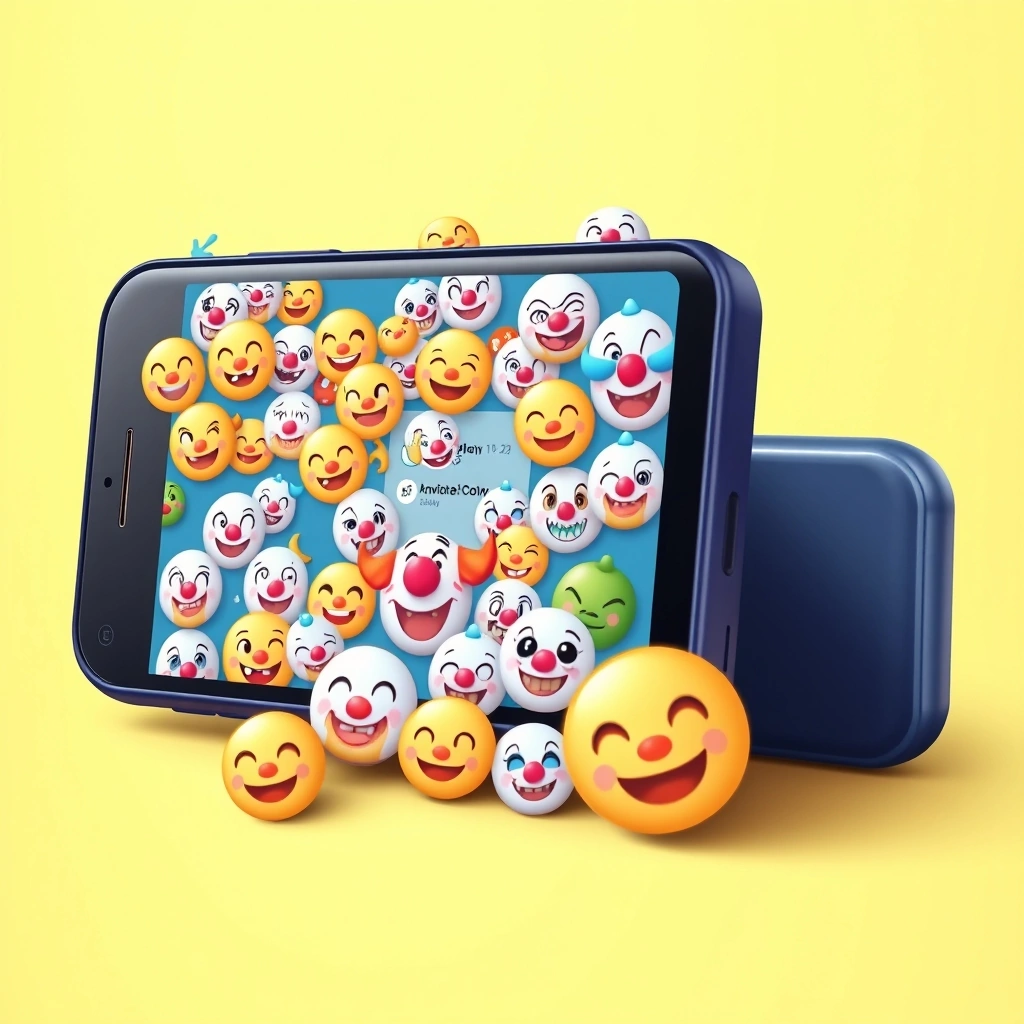
The most direct driver of emoji evolution is the meme. Memes are the inside jokes of the internet, and emojis are perfect shorthand for them. A great example is the 'clown face' 🤡. For years, it was just... a clown. Then, it was adopted online to represent foolishness or being tricked, often in a self-deprecating way. Saying "I guess I'll believe him" followed by a 🤡 became a way to acknowledge one's own gullibility in a humorous, relatable format.
This repurposing happens at lightning speed. A viral video, a trending audio clip, or a popular tweet can assign a completely new context to an emoji overnight. The emoji becomes a vessel for a shared experience, a way to say, "I was there, I get the reference." This cycle of creation and adoption is the heartbeat of how digital trends reshape what our favorite emojis really mean.
Platform Personalities: How Twitter, TikTok, and Instagram Breed Their Own Emoji Dialects
Not all social media is created equal, and neither is their emoji use. Each major platform develops its own linguistic quirks, influencing which emojis rise to prominence and how they're used.
Twitter, with its character limit and culture of witty commentary, often uses emojis as punchlines or emotional amplifiers in threads. The 'eyes' 👀 emoji, for instance, became synonymous with "I'm watching this drama unfold" or "this is interesting." TikTok, driven by short-form video and audio trends, favors highly expressive and reactionary emojis. The 'pleading face' 🥺 exploded in popularity on TikTok, transforming from a simple sad face to a multifaceted symbol of begging, cuteness, vulnerability, and even flirtation, depending on the context.
Instagram's aesthetic-driven culture, meanwhile, might favor more visually cohesive or aesthetically pleasing emojis in captions and Stories. The platform you're on doesn't just change what you post; it changes how you speak in pictograms.
More Than Fun: Emojis as Tools for Solidarity and Social Commentary
The evolution of emojis goes deeper than humor and trends. They have become powerful tools for social commentary and collective identity. During social justice movements, specific emojis and hashtags combine to create a visible wave of support. The raised fist ✊, for example, has been powerfully adopted as a symbol of solidarity and resistance.
Similarly, communities form around shared identities or interests, and emojis become their flags. This turns emojis into a kind of visual slang, a way for insiders to recognize each other. This layer of meaning shows that emojis are capable of carrying significant emotional and cultural weight, acting as a mirror for our collective mood and concerns.
The Feedback Loop: How We Shape the Official Lexicon
This grassroots evolution doesn't happen in a vacuum. The Unicode Consortium, the group that officially approves new emojis, pays attention to how we use them. While they set the standard, public demand and demonstrated usage heavily influence which new emojis get proposed and approved. If a certain concept or object becomes culturally significant enough online, the push begins for an emoji to represent it.
Furthermore, the way we collectively misuse or reinterpret an existing emoji can sometimes be so powerful that it forces a reevaluation of its "official" meaning. The language is a two-way street: we use the tools given to us, and our usage informs what tools are created next.
So, the next time you tap that crying-laughing face or that pleading eye, remember you're not just sending a picture. You're participating in a living, breathing language. You're adding your voice to a global conversation that's constantly rewriting its own dictionary, one trend, one meme, and one heartfelt post at a time. The story of emojis is, ultimately, the story of us online—always adapting, always expressing, and forever evolving.
To dive deeper into how culture and digital life influence our symbols, explore more on emoji culture and trends.
📒 Related Blogs
More...The Unspoken Rhythm: How Emojis Guide the Flow of Our Online Chats
Beyond a Single Smile: How Emoji Combinations Are Changing Our Digital Conversations
The Quiet Magic of Emojis in Everyday Check-Ins
How Emojis Save Us From Those Awkward Texting Silences
The Heartbreak of a Misread Emoji: When Digital Tone Goes Wrong
When a Smiley Face Feels All Wrong: Decoding Emoji Etiquette in Everyday Chats