How Emojis Became Our Digital Time Capsule

Mar 04,2026
Think about the last time you scrolled through your messages or a social media feed. Chances are, you didn't just see words. You saw a colorful parade of tiny pictures—a laughing-crying face, a pleading face, a fire emoji. These aren't just decorations. They've become the punctuation of our digital lives, the quickest way to add tone, emotion, and context to our typed words. But their role goes deeper than personal expression. As trends shift at lightning speed online, emojis have become a unique and powerful reflection of our shared internet moments.
Unlike formal language, which changes slowly, the world of emojis is incredibly fluid. An emoji's meaning isn't fixed by a dictionary; it's shaped by how millions of people use it in real time. When a new meme, song, or global event captures the internet's attention, emojis are often drafted into service to represent it. They become a kind of shorthand, a way for a vast, dispersed community to say, "I was there. I get it." This process turns them into cultural artifacts, little digital fossils that preserve the feeling of a specific moment in internet history.
The Lifecycle of a Trendy Emoji
This evolution often follows a recognizable pattern. It usually starts in a niche corner of the internet—a specific forum, a viral TikTok sound, a popular gaming stream. A community adopts an emoji to represent an inside joke or a specific reaction related to that trend. The skull emoji is a perfect example. Once a literal symbol, it was repurposed online to mean "I'm dying of laughter" or "this is so chaotic it killed me." Its meaning transformed through collective use.
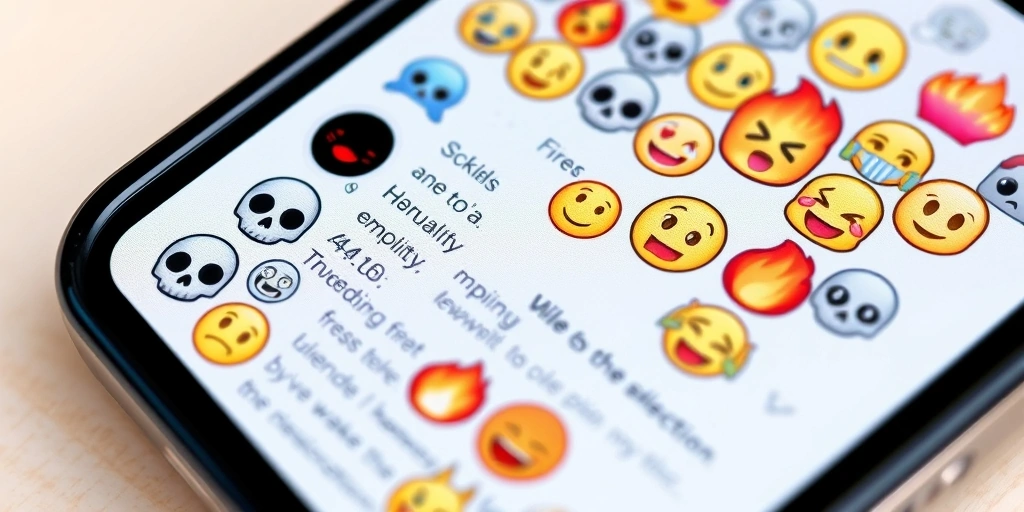
From there, if the trend is catchy enough, it spills over. It jumps from Twitter threads to Instagram captions to text messages between friends who may not even know the origin. The emoji's new meaning solidifies through repetition. It stops being just an inside joke and enters the broader lexicon. This is how emojis chronicle our digital history, acting as markers for phases of online culture. You can almost trace a timeline of the internet by looking at which emojis were dominant and what they meant at the time.
For a deeper look at this historical journey, you might enjoy reading about how emojis chronicle our digital history.
More Than Just Laughter: Emojis and Collective Feeling
This phenomenon isn't limited to humor. Emojis have become vital tools for expressing solidarity, support, and shared concern during major events. During natural disasters or social movements, specific emojis can become symbols of awareness and unity. A heart, a raised fist, or a simple candle can carry immense weight, conveying empathy and shared purpose across millions of posts. In these moments, the emoji transcends its design. It becomes a vessel for collective emotion, a way for people who may never meet to stand together in a digital space.
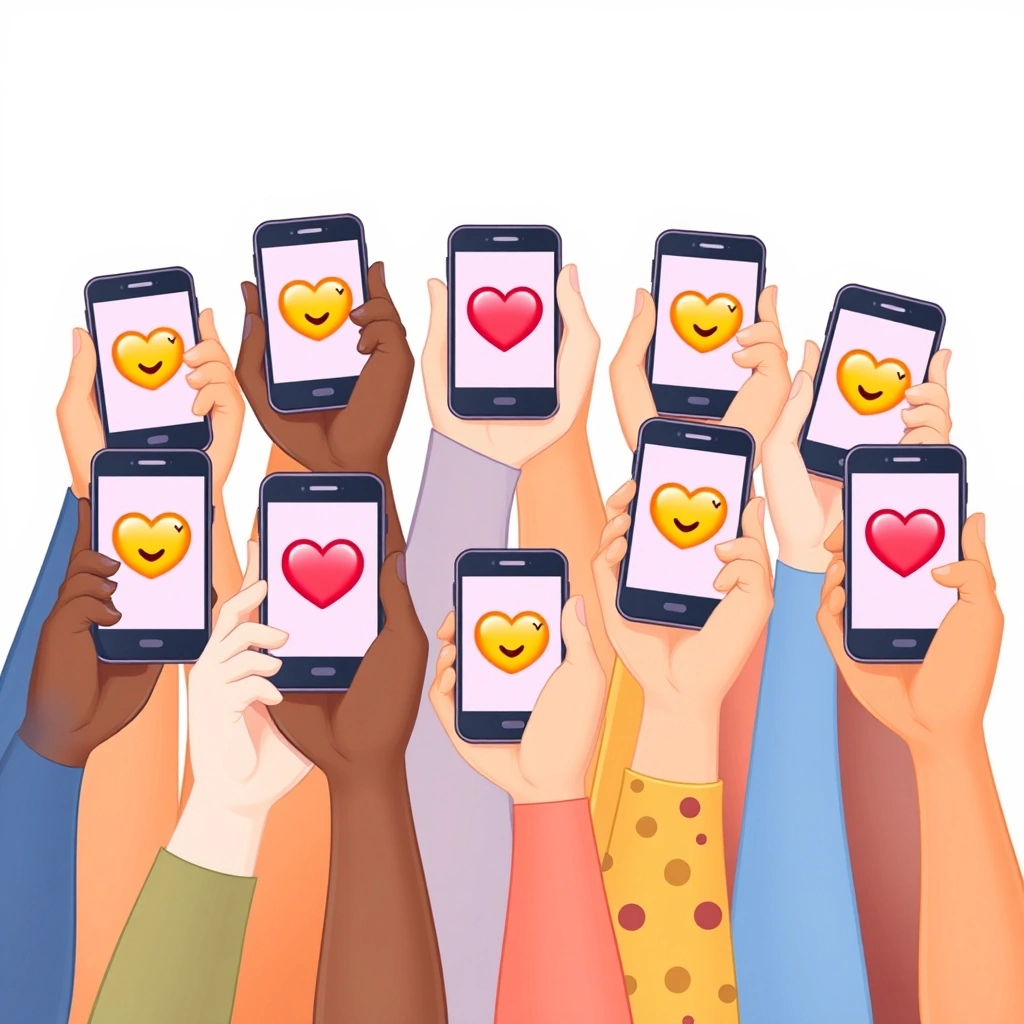
This ability to morph is what gives emojis their staying power. A static, unchanging set of symbols would quickly feel outdated in the fast-paced online world. But because their meanings are crowd-sourced, they can adapt. They can absorb the sarcasm, irony, joy, and anxiety of the internet and reflect it back to us. This is the secret life of emojis: their definitions are never finished. They are always being written by us, the users. To understand more about this constant evolution, consider how emoji meanings morph with internet trends.
The Fading and the Enduring
Of course, not all emoji-driven trends last. Many are incredibly fleeting, burning brightly for a week or a month before fading into obscurity. The emoji attached to them might revert to its original meaning or simply fall out of frequent use. This transience is part of the process, too. It highlights the rapid, sometimes chaotic, nature of online culture. What feels universal today might be forgotten tomorrow.
Yet, some shifts endure. They become permanent additions to how we communicate digitally. The repurposing of the crying-laughing face to indicate something is hilarious, or the use of the eyes emoji to signal "I'm watching this closely," are now standard parts of digital literacy. These enduring changes show how our collective online experiences can permanently alter the tools we use to connect.
So, the next time you tap on an emoji keyboard, remember you're not just picking a cute icon. You're potentially tapping into a living, breathing record of what the internet has laughed about, cried over, and rallied around. You're using a symbol whose meaning was forged in countless group chats, comment sections, and viral posts. Emojis are more than a language; they are a mirror. They show us who we are online, what we care about, and how we choose to share those moments, one tiny, colorful picture at a time. For more insights into this ever-changing world, explore other thoughts on emoji culture and trends.
📒 Related Blogs
More...Emoji Psychology: Decoding What Your Favorite Emojis Reveal About You
The Tiny Tone-Setters: How Emojis Shape Public Conversations Online
The Emoji Lifeline: How a Simple 😅 or 👍 Can Save a Casual Chat
The Gentle Art of Coordination: How Emojis Soften Work Messages
The Unspoken Rules: How Emojis Steer Our Gut Reactions in Every Text