The Secret Life of Emojis: How Their Meanings Morph with Internet Trends

Mar 04,2026
Think about the last text you sent. Chances are, it included an emoji. These little pictures have become the punctuation of our digital age, adding tone, emotion, and subtext to our messages. But have you ever sent an emoji only to have someone completely misunderstand your intent? You’re not alone. The meaning of emojis is not fixed in a digital stone tablet; it’s a living, breathing part of internet culture that changes as quickly as the trends themselves.
This constant evolution is what makes emojis so fascinating. They start with an official definition from the Unicode Consortium—the group that standardizes them—but the moment they hit our keyboards, they take on a life of their own. Users, communities, and viral moments collectively rewrite their meanings, often in ways the original designers never imagined.
From Literal to Ironic: The Power of Context
The most common driver of emoji evolution is irony. An emoji is introduced with a straightforward meaning, but online communities, particularly on platforms like Twitter, TikTok, and Discord, begin using it in a completely opposite or sarcastic context. This ironic usage can become so widespread that it eventually overshadows the original intent.
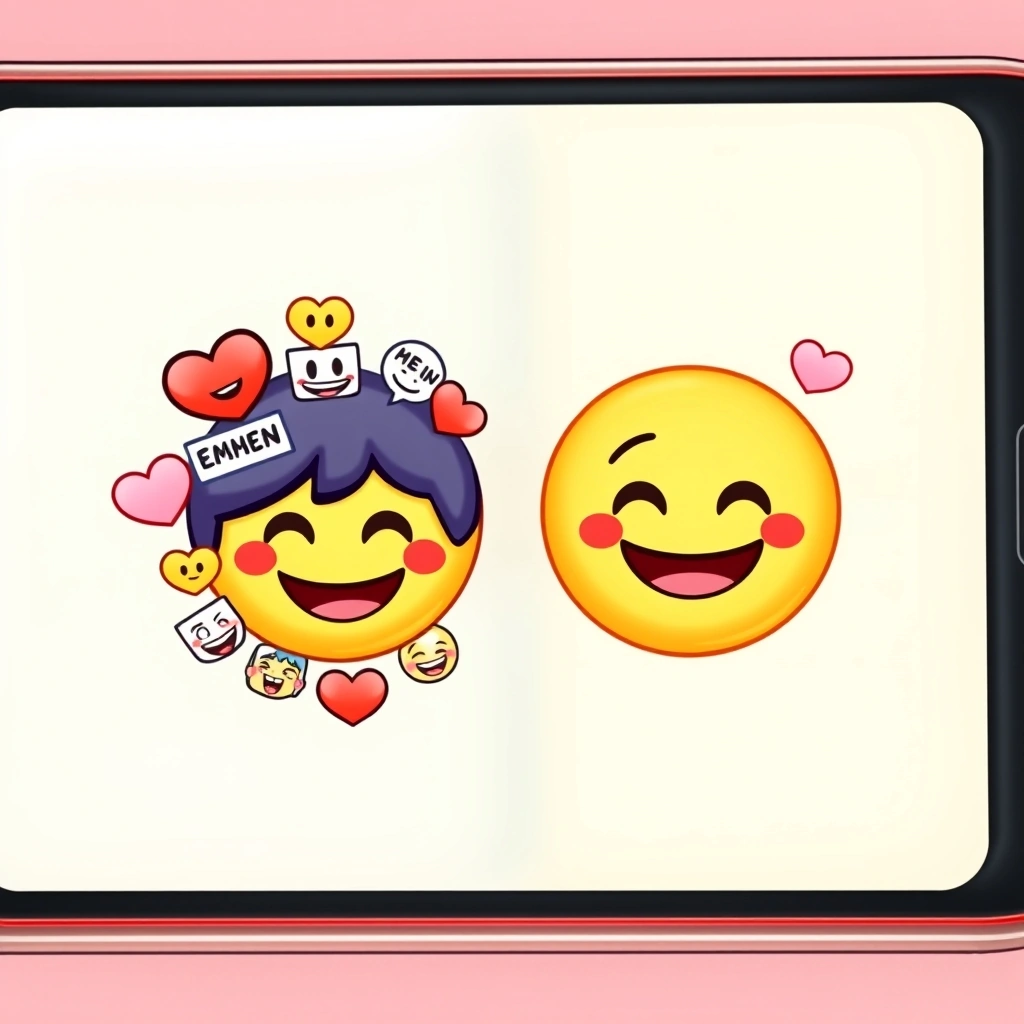
Take the classic smiley face 😊. Once a genuine symbol of happiness, it’s now often read as passive-aggressive or insincere in many digital conversations, especially among younger users. The context of a dry text message followed by a bright yellow smile can feel more like a polite grimace than a sign of joy. This shift isn't documented in any manual; it’s learned through social interaction and cultural osmosis.
This phenomenon is a perfect example of how generations develop their own secret languages through symbols. What feels warm and friendly to one group can signal something entirely different to another.
Memes and Viral Moments as Accelerators
Nothing propels an emoji into a new semantic orbit faster than a meme or a viral trend. A single event, video, or joke can attach a permanent new layer of meaning to a symbol almost overnight. The emoji becomes a shorthand reference to that entire cultural moment.
This process highlights how emojis function as a form of cultural currency. Knowing the new, trend-driven meaning of an emoji signals that you’re “in the know,” part of a specific online community or conversation. Using it correctly (or incorrectly) communicates your digital literacy and cultural awareness.
The Generational Divide in Digital Dialects
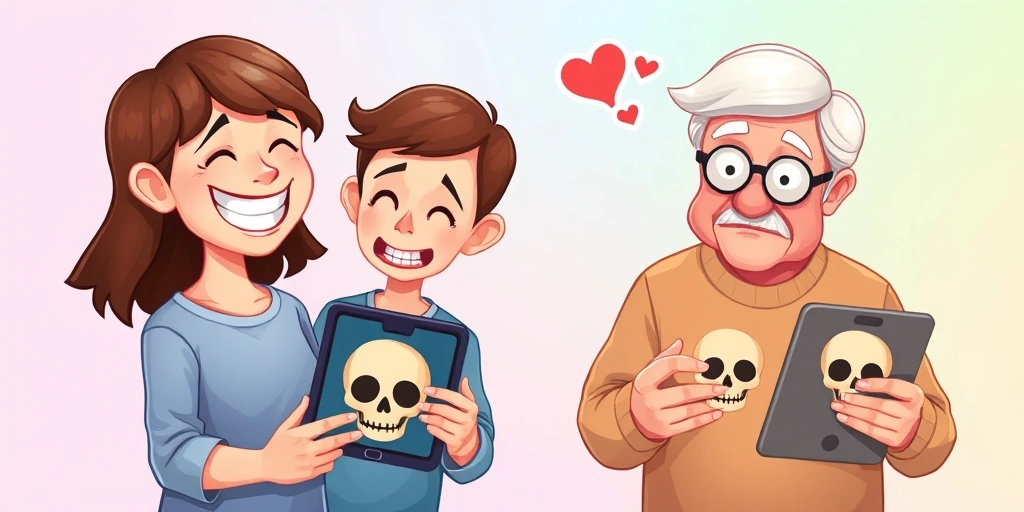
Perhaps the most visible result of this evolution is the generational gap in emoji interpretation. The emoji lexicon of a Gen Z user can look like a foreign language to a Millennial or Gen X parent. This isn’t just about new emojis; it’s about old emojis acquiring new, niche meanings within younger digital subcultures.
These divides show that emojis are more than just fun decorations. They are active components of how we bridge—or sometimes struggle to bridge—generational gaps in our digital world. A misunderstanding over a skull emoji 💀 (meaning “I’m dying of laughter” to many teens, but literal death to others) is a small but telling sign of these rapidly shifting linguistic landscapes.
What Does This Fluidity Mean for Communication?
So, if emoji meanings are so unstable, does that make them unreliable for communication? Quite the opposite. Their flexibility is their strength. This fluidity allows for incredible nuance, in-group bonding, and creative expression. It lets language evolve at the speed of the internet, giving us tools to describe new feelings and situations for which words alone might feel inadequate.
However, it does place a premium on context and awareness. Effective digital communication now requires a sensitivity to your audience. The emoji that lands perfectly in a group chat with friends might confuse a colleague or a family member. It’s a reminder that all language, even pictographic, exists within a social framework.
The journey of an emoji from its official release to its various cultural interpretations is a mirror held up to our online lives. It reflects our humor, our anxieties, our communities, and the relentless pace of change in the digital age. They are not just changing with trends; they are the artifacts of those trends, tiny time capsules of how we felt and what we found funny at a specific moment in internet history. To learn more about this ongoing cultural conversation, explore our thoughts on emoji culture and trends.
The next time you go to tap that eggplant or fire emoji, remember—you’re not just selecting an image. You’re participating in a vast, collaborative, and ever-evolving project to define how we connect in the digital world. And that meaning is yours to shape, at least until the next trend comes along.
📒 Related Blogs
More...The Hidden Language: How Emojis Subtly Shape Your Digital Reactions
Emoji Fails: Hilarious Misinterpretations & Communication Blunders
Emojis in Business: Boosting Brand Connection & Customer Engagement
The Surprising Power of Emojis to Keep Work Emails Neutral and Professional
The Silent 'I'm Here': How Emojis Become Our Everyday Digital Nods