How Emojis Bridge Generations in Our Ever-Changing Digital World

Mar 04,2026
Think about the last text you sent. Chances are, it had an emoji. That little pictograph did more than just decorate your message; it carried tone, emotion, and context. But have you ever stopped to wonder why you use the emojis you do? The answer is more fascinating than you might think. Our digital language isn't created in a vacuum. It's a living, breathing thing that grows and shifts, deeply influenced by the platforms we use and the generations that inhabit them.
It starts with the platforms themselves. Each social media app or messaging service develops its own personality, and with it, a unique emoji dialect. The quick, reaction-based culture of a platform like Twitter (now X) popularized succinct, often sarcastic or hyperbolic emoji use. The crying-laughing face 😂 became a hallmark of viral humor there, a shorthand for "this is so absurd it's hilarious." Meanwhile, on Instagram, a platform built on aesthetics and vibes, you're more likely to see strings of complementary, mood-setting emojis in captions—think sunsets 🌅, hearts ❤️, and sparkles ✨—that create a visual and emotional atmosphere.
This platform-driven evolution is a constant feedback loop. A feature gets introduced—like Slack's custom emoji reactions or Discord's nitro boosts for animated emojis—and suddenly, a new form of in-group communication is born. These features don't just give us new tools; they actively shape how we choose to express ourselves. The thumbs-up 👍 might mean "acknowledged" in a work chat, but on TikTok, its newer, more animated version has taken on layers of ironic approval or even passive-aggressive dismissal, depending on the context of the video. The emoji itself hasn't changed, but the culture surrounding it has.
Where this gets really interesting is in the generational cross-talk. My Gen Z cousin and my Baby Boomer mom might both use the red heart ❤️, but the nuances and the alternatives they choose tell a different story. Younger users, native to visual-first platforms like TikTok and Snapchat, often drive the adoption of newer, more niche emojis or assign radically new meanings to old ones. The skull 💀 no longer just represents death; for many, it's the ultimate expression of "I'm dead from laughter" or "this is so cringe it killed me." The pleading face 🥺, once simply sad, has been embraced to convey a specific kind of performative, cute begging or deep yearning.
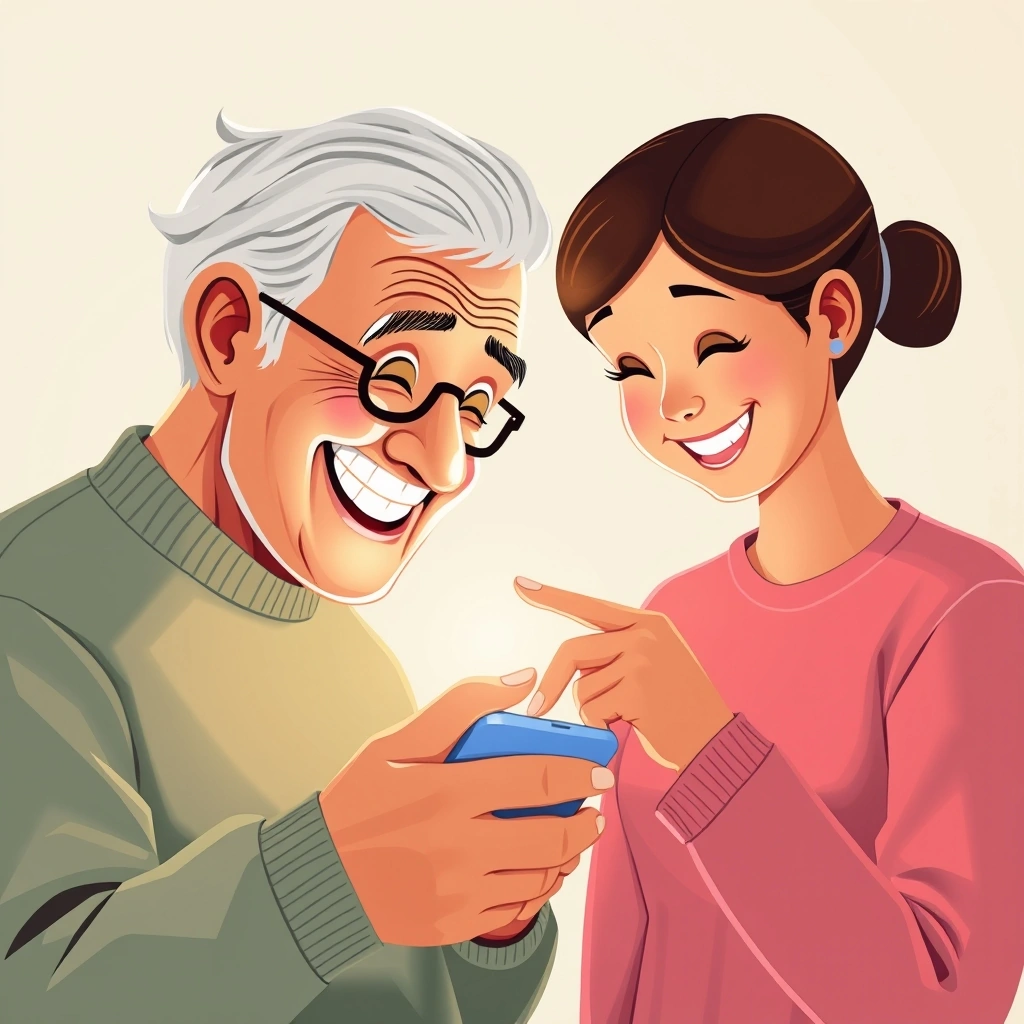
Older generations, who may have adopted this technology later in life, often bring a more literal or established interpretation. This isn't a deficit; it's a different dialect. This creates a fascinating dynamic where emojis can sometimes cause mild confusion ("Why did my dad send the clown face? 🤡") but more often, they become a gentle meeting point. A grandparent learns that the fire emoji 🔥 means something is awesome, not literally on fire. A teen realizes their mom's excessive use of exclamation points and hearts !!! ❤️!!! is her digital version of enthusiasm and love. You can see more about how emojis take on new meanings in different spaces in our article on how emojis find new meaning in every online space.
The driving force behind these micro-trends is often the algorithm. What gets promoted on a For You Page or a Discover feed influences what expressions go viral. A viral dance challenge might be synonymous with a specific emoji combination. A meme format can resurrect an obscure emoji and give it a brand-new life for months. This constant churn means our shared visual vocabulary is always in flux, with some symbols rising to prominence while others fade into the background, waiting for their next moment. It's a process that's less about top-down design and more about collective, organic adaptation.
So, what does this all mean for how we communicate? It means that sending an emoji is a tiny act of cultural participation. You're not just picking a smiley face; you're subtly aligning yourself with a certain platform's norms, engaging with a trend that might be generational, and participating in the endless evolution of language. It's a reminder that connection in the digital age isn't just about the words we type. It's about the shared understanding we build through these small, colorful symbols. They are the glue and the garnish of our online conversations, helping us bridge gaps in age, culture, and context with a single tap.
This isn't a story with a clear conclusion because it's still being written every day, with every message sent. The landscape will keep shifting as new platforms emerge and new generations put their stamp on digital talk. To dive deeper into the mechanics of this, check out our look at how your favorite emojis are secretly shaped by social media trends. The journey of the emoji from a simple set of smileys to a complex, nuanced socio-linguistic system is a powerful reflection of us—always adapting, always trying to connect, one little picture at a time.
📒 Related Blogs
More...The Playful Power of Emojis: Turning Casual Chats into Mini Adventures
Beyond Words: How Emojis Transform Casual Chats into Playful Adventures!
The Gentle Glow: How Emojis Soften the Edges of Our Everyday Chats
The Evolution of Emojis: From Early Pixels to Global Pop Culture Icons
The Psychology Behind Emojis: How They Shape Our Digital Conversations
When Emojis Feel Wrong: The Unintended Awkwardness of Digital Tone