When Emojis Feel Wrong: The Unintended Awkwardness of Digital Tone

Feb 27,2026
We’ve all been there. You’re typing out a message, your thumb hovers over the send button, and you decide to add a little something extra. A smiley face to soften a request. A laughing emoji to show you’re joking. A heart to express genuine care. You hit send, feeling good about your friendly, clear communication.
Then, a few seconds later, a cold wave of doubt washes over you. Was that the right emoji? Did it make my sincere condolence seem flippant? Did my attempt to lighten the mood come across as dismissive? Suddenly, that tiny, colorful symbol feels enormous and utterly, painfully inappropriate.
This isn’t about using the “wrong” emoji in a technical sense. It’s about the emotional dissonance that happens when the lightness of an emoji collides with the weight of a situation. It’s a feeling, not a rule.
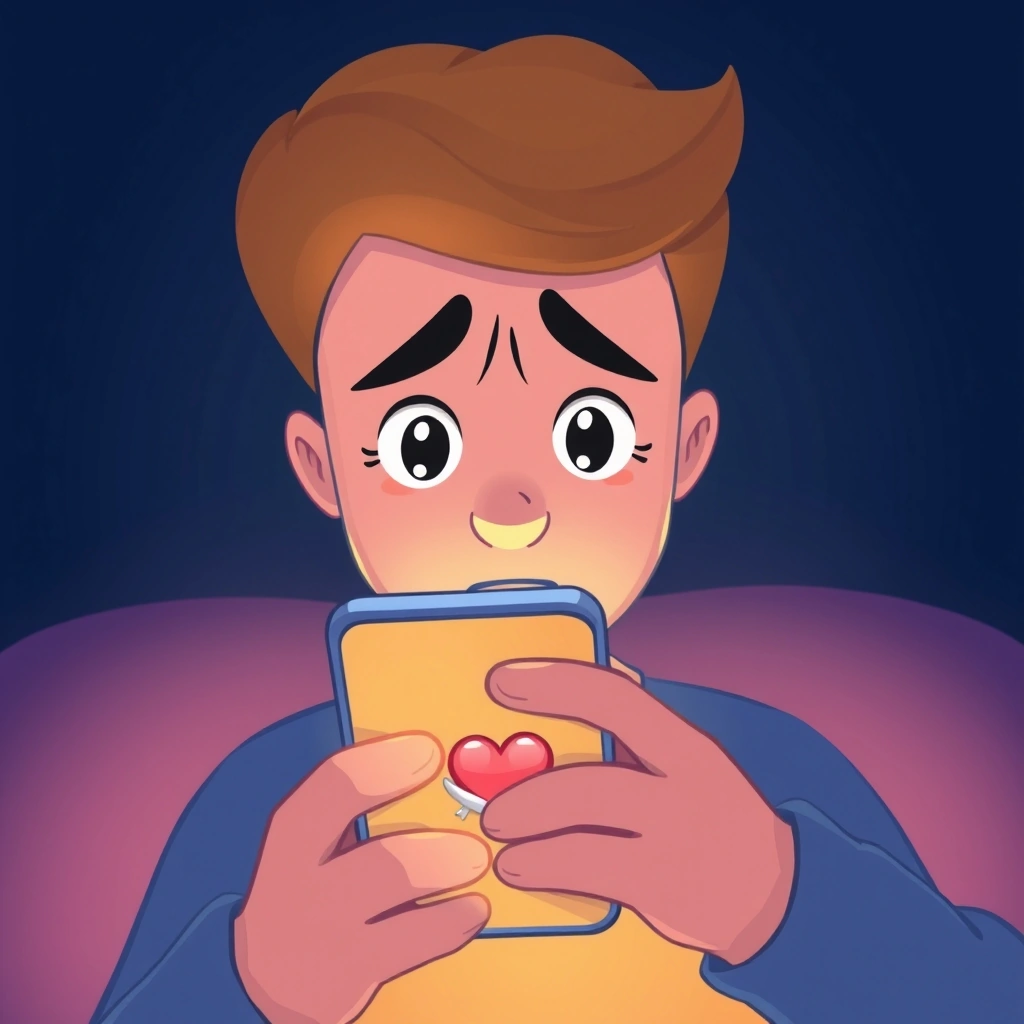
Think about receiving serious news from a friend—a job loss, a family illness. You want to express support. You type, “I’m so sorry to hear that. I’m here for you.” It feels right. Then, almost on autopilot, you add a red heart. ❤️ Your intention is pure: love, solidarity. But in that context, the bold, cheerful red can sometimes feel… performative? Too bright? It can unintentionally soften the gravity of your words when gravity is what’s needed.
Or consider the workplace. Your manager sends a detailed, critical feedback email about a project. You reply, “Thanks for the detailed notes. I’ll review and revise.” So far, so professional. Then you tag on a thumbs-up. 👍 In your mind, it means “Acknowledged. I’m on it.” In their mind, it might read as casual, overly simplistic, or even sarcastic in the face of criticism. The emoji’s inherent informality clashes with the formal tone of the exchange.
The Gap Between Sender and Receiver
Why does this happen? The core of the issue lies in the fundamental gap of text-based communication. When we talk face-to-face, we have tone of voice, facial expressions, and body language to carry nuance. A spoken “okay” can sound resigned, cheerful, or angry. In text, “okay” is a blank slate. We use emojis to paint on that slate, to provide the missing emotional context.
But the paint isn’t universal. My mental image of a “smirking face” 😏 might be “playful teasing,” while yours reads it as “smug and arrogant.” The context the receiver is in—stressed, sad, in a formal meeting—also colors how they interpret the symbol. An emoji that feels supportive to you while you’re relaxed on your couch might feel trivializing to someone reading it in a hospital waiting room.
This is a common thread in when emojis backfire. The mismatch isn't just about symbols; it's about emotional states.
When Playfulness Meets Seriousness
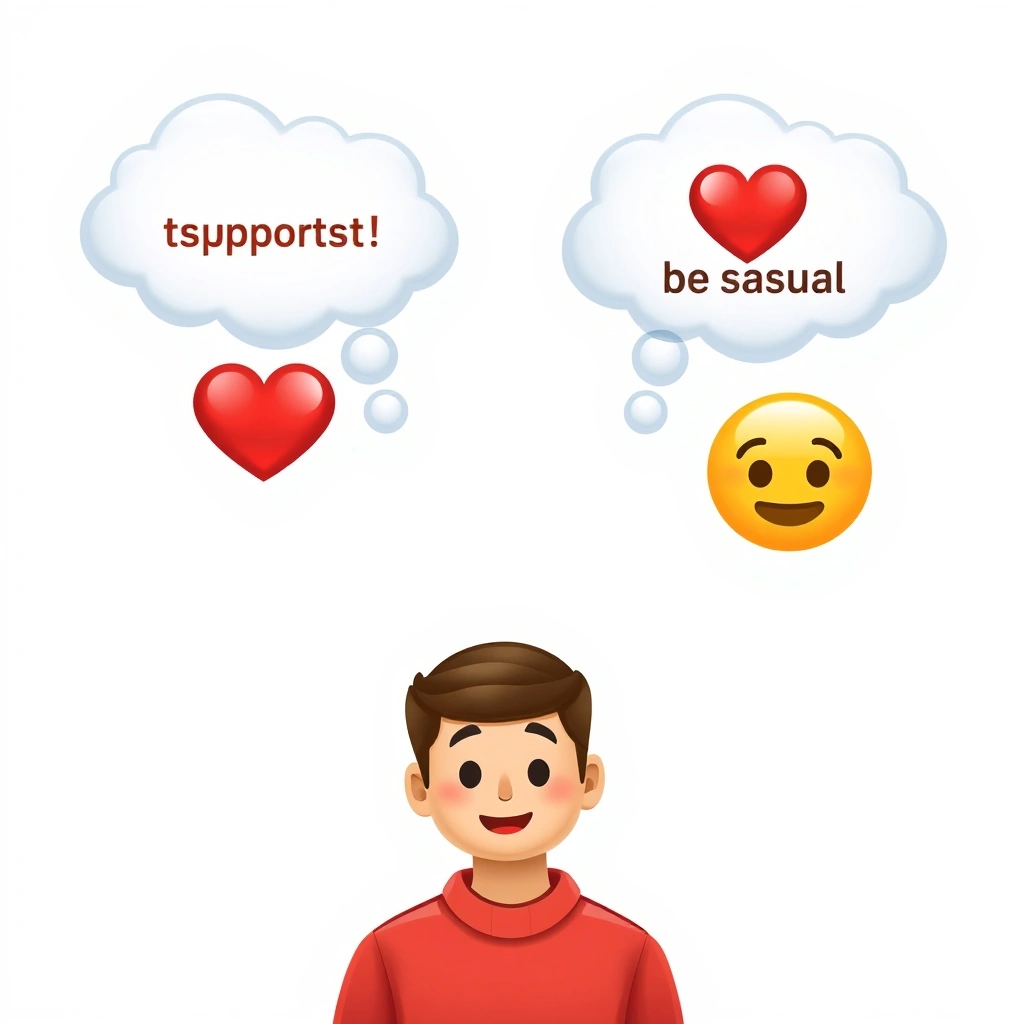
The most common zone of awkwardness is where playfulness meets seriousness. Emojis are, by nature, playful. They are cartoonish, exaggerated, and simple. Serious conversations often require nuance, subtlety, and a recognition of complexity.
Using a tearful laughing emoji 😂 in response to someone sharing a minor frustration is camaraderie. Using it in response to someone sharing a genuine, heart-wrenching problem can feel like you’re laughing at their pain, even though your intent was to say, “That’s so awful it’s almost unbelievable.”
The winking face 😉 is a classic culprit. You use it to indicate a joke or a nudge. In a serious discussion about boundaries or feelings, that same wink can undermine your message, making a heartfelt statement seem insincere or manipulative.
These moments are explored further in discussions about that awkward moment when your emoji message gets totally misread. It’s less about a “mistake” and more about a collision of contexts.
Navigating the Unwritten Rules
So, what do we do? Abandon emojis altogether? Of course not. They are a brilliant tool for connection. The key is developing a little more mindfulness, a sort of “emoji emotional intelligence.”
First, pause. Before sending, re-read the message *without* the emoji. How does it feel? Solemn, direct, clear? Now add the emoji. Does it change the emotional temperature? Does it make the message feel lighter, sweeter, or more casual? Is that shift appropriate for the situation?
Second, consider your relationship and the platform. A crying-laughing face in a decades-old group chat with your closest friends has a shared history and understood meaning. The same emoji in a Slack channel with new colleagues and a client might not land the same way.
Finally, when in doubt, err on the side of words. Instead of a heart, try “My heart is with you.” Instead of a thumbs-up, try “Understood, thank you for the clarity.” Words are more flexible and can carry precise nuance where an emoji might be a blunt instrument.
Emojis are the spice of our digital language. A little can enhance everything; too much, or the wrong kind at the wrong time, can overwhelm the dish. The goal isn’t to live in fear of a misplaced smiley, but to become more aware of the powerful, subtle emotional weight these tiny icons carry. By paying attention to that weight, we can use them to connect more deeply, rather than accidentally creating moments of quiet, digital awkwardness that leave us staring at our screens, wishing for an unsend button.
For more thoughts on navigating the tricky parts of emoji communication, you can explore other perspectives in our section on emoji mistakes and misuse.
📒 Related Blogs
More...Beat Deadline Stress: How Emojis Smooth Out Professional Chats Under Pressure
Emoji Etiquette: Mastering the Unspoken Rules of Digital Communication
When Emojis Go Rogue: How Group Chats Become Tone-Deaf Minefields
From Words to Winks: How Emoji Pairs Are Quietly Replacing Our Sentences
Emojis in Marketing: How Brands Connect & Speak Your Language Digitally