How Your Favorite Emojis Are Secretly Shaped by Social Media Trends

Mar 03,2026
Think about the emojis you used five years ago. Chances are, your go-to reactions and the way you punctuated your messages look a little different today. This isn't random. The emoji lexicon we all share is in a constant, quiet state of flux, responding directly to the currents of modern internet culture. It's a fascinating dance between user behavior, platform features, and viral moments.
At its core, an emoji's rise to popularity is often platform-driven. When a social media app introduces a new feature, it creates a new context for communication. For instance, the rise of ephemeral 'Stories' formats across platforms didn't just change how we post—it changed how we react. Quick, visual reactions became paramount. The face-with-hand-over-mouth emoji 😶🌫️, for example, found a huge surge in use as a perfect, shorthand reaction to surprising or hilarious story posts. The platform's design encouraged a specific type of engagement, and emojis evolved to fill that niche perfectly.
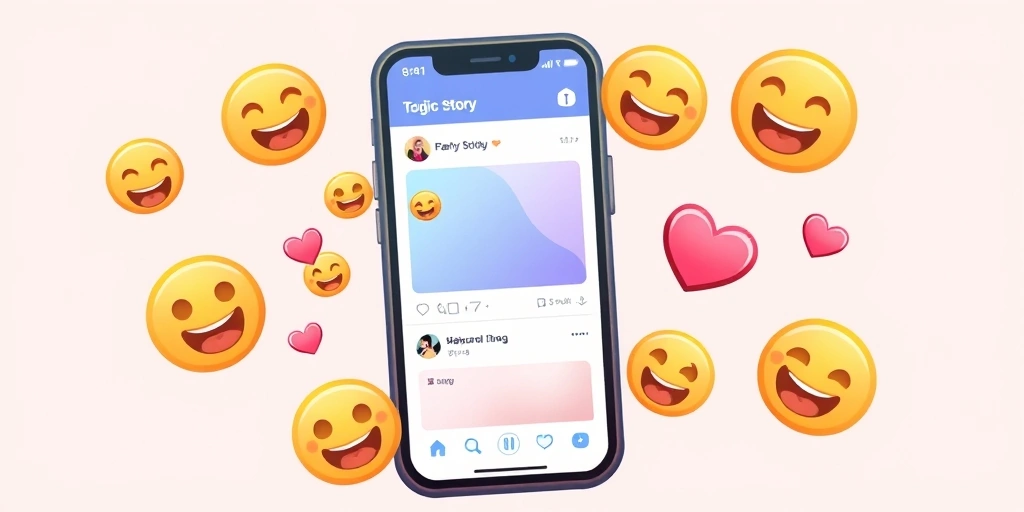
Similarly, the 'heart' reaction on various platforms transformed the simple red heart ❤️ from a symbol of deep affection into a versatile tool for acknowledging anything from a friend's lunch photo to a news article. Its meaning broadened because the platform offered it as the easiest, most frictionless way to say "I saw this." This kind of functional shift is a direct result of platform mechanics steering user habit.
Beyond features, the very culture of a platform seeds emoji trends. The fast-paced, meme-centric environment of a site like Twitter (now X) can turn a niche emoji into a universal symbol almost overnight. A celebrity might use it ironically, or it might get paired with a viral phrase. Suddenly, that emoji carries a whole new layer of understood context for anyone 'in the know' on that platform. This phenomenon is explored in more depth in our look at how emojis rewrite the rules of online connection.
The Feedback Loop of Viral Moments
Viral trends and global events act as powerful accelerants. During the pandemic, emojis related to health, home, and isolation saw a significant spike. A global event created a shared emotional experience, and people reached for the digital symbols that best captured that collective feeling. Platforms, in turn, might highlight these emojis in their 'most used' lists or even fast-track related emojis for future updates, creating a feedback loop where culture influences the toolkit, which then further shapes culture.
This isn't just about new emojis appearing on our keyboards. It's about the existing ones taking on new shades of meaning. The pleading face 🥺, for years a simple 'sad' emoji, was adopted by online communities to express earnest desire or cute begging. Its emotional resonance shifted because a critical mass of users on platforms like TikTok and Instagram started using it that way, and the meaning stuck.
A Language Without a Central Dictionary
What makes this evolution so unique is that there's no official governing body. While the Unicode Consortium approves the characters, it's the billions of daily users on platforms like Facebook, Instagram, Snapchat, and WhatsApp who define their actual use and nuance. A platform might subtly promote certain emojis through its sticker packs or suggested reactions, gently guiding the trend. When everyone in your group chat starts using the melting face 🫠 to express being overwhelmed by work or heat, that's a micro-trend born from shared platform experience.
This constant adaptation is what keeps emojis feeling vital and relevant. If they were static, they'd risk becoming outdated hieroglyphics. Instead, they flow with our digital conversations. As new social platforms emerge and new forms of interaction become popular—think voice notes, live streams, or collaborative feeds—emoji use will inevitably bend and shift to meet those new communicative needs. The way we used emojis in the era of desktop forums is different from the era of SMS, which is different from the era of infinite scrolling feeds.
To see how these shifting meanings play out across different age groups, you might find our article on how emojis bridge generational gaps interesting. It highlights how the same symbol can tell a very different story depending on who's using it and where.
So, the next time you find yourself instinctively reaching for a specific emoji, take a second to think about why. Is it because it's the first one in your recent list? Did you see an influencer use it in a funny way? Does it perfectly capture a feeling that's been all over your feed lately? Your choice is a tiny data point in a massive, organic, and platform-driven evolution of language. The emojis on your screen aren't just pictures; they're a living history of how we've learned to connect, one trend at a time.
For more insights into the ever-changing world of digital expression, explore our other posts in the Emoji Culture & Trends category.
📒 Related Blogs
More...When Emojis Make Your Texts Feel Less Serious (And That's a Good Thing)
The Secret to Effortless Chats: How Emojis Keep Your Conversations Alive
The Slow Dance of Emojis: How They Quietly Reshape Our Long Conversations
How Emojis Turn Your Everyday Texts into a Playful Game
The Hidden Power of Emojis: How a Tiny Icon Can Change Your Message's Meaning
The Psychology Behind Emojis: How They Shape Our Digital Conversations