How Emojis Became the Secret Language of Our Changing Online World

Mar 23,2026
Think about the last text you sent. Chances are, it had an emoji. They’ve become as natural as punctuation. But have you ever stopped to think about why we use the ones we do? It’s not random. The emojis that rise to popularity are a direct reflection of our changing online culture—our humor, our anxieties, and the way we choose to connect.
In the early days, it was simple. A colon and a parenthesis :) said “happy.” The first official emojis filled a basic need: adding tone to cold, text-based chats. A simple smiley face could prevent a misunderstanding. But as our digital lives expanded, so did the role of these little pictures.
Fast forward to today. Our online culture is faster, more visual, and often more ironic. Emojis have evolved to keep pace. The crying-laughing face didn’t just become popular; it became the defining symbol of a certain era of internet humor. It signaled not just laughter, but a very specific, often self-aware, kind of amusement common in memes and viral content. Its slow fade from the top of the most-used lists (replaced by the sobbing face or the heart in many apps) tells its own story about shifting emotional expressions online.
New emojis are like cultural artifacts the moment they’re released. The pleading face, for example, was adopted with incredible speed. It perfectly captured a modern online sentiment: a mix of begging, vulnerability, and earnestness that text alone struggled to convey. Its popularity speaks to a culture that values expressing nuanced, sometimes softer, emotions even in casual digital banter.
The Mirror of Social Movements
Perhaps the most powerful evidence is how emojis mirror social change. The push for more diverse emojis was a direct reflection of a broader cultural demand for representation. The introduction of skin tone modifiers, gender-inclusive options, and symbols representing different disabilities wasn’t just a tech update. It was a response to a growing consensus in online spaces that our digital tools should reflect the diversity of the real world. When people use the couple with a heart emoji with gender and skin tone variations, they’re participating in a small but significant act of cultural expression.
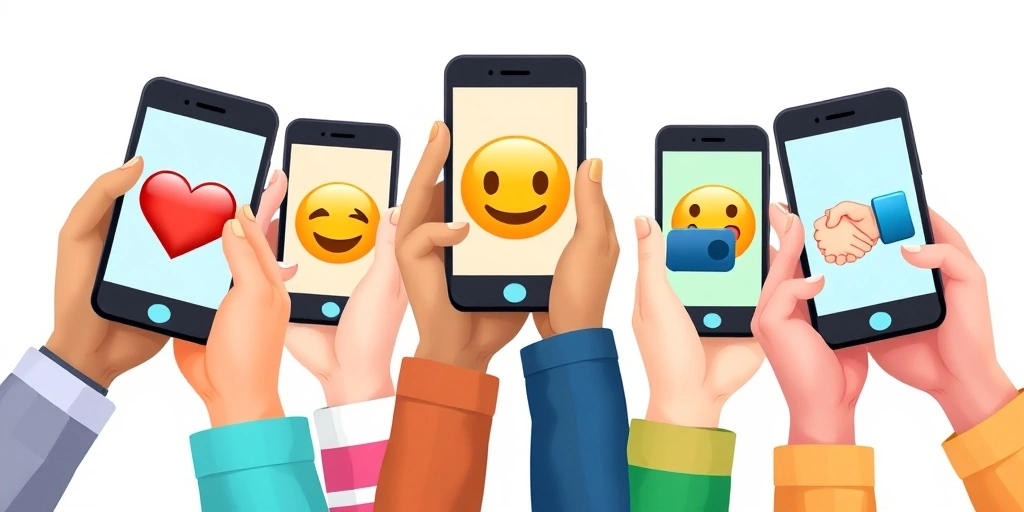
Platforms themselves shape emoji culture. The specific “emojis” or reactions on apps like Instagram, Slack, or Facebook create mini-languages of their own. A “care” reaction means something different than a “heart.” The rise of ephemeral stories on platforms like Snapchat and Instagram popularized emojis as interactive stickers, used more for decoration and quick reaction than deep conversation. Each platform’s design subtly guides how we express ourselves.
From Global to Hyper-Local
While some emojis are universal, many develop unique, localized meanings. The gun emoji becoming a water pistol in Apple’s design was a major cultural intervention. In different online communities, emojis can become inside jokes or signals. A frog or a clown face might mean something very specific in one subculture that is completely lost elsewhere. This hyper-local evolution shows emojis acting as shibboleths, identifying who is “in” on a particular slice of internet culture. For more on how these trends take shape, see our look at how internet trends shape the emojis we use.
So, what does the future hold? As we communicate more through voice notes, video, and AI, will emojis fade? It seems unlikely. Instead, they’ll likely evolve again. They might become more animated, more integrated with AR, or more personalized. Their core function—providing emotional clarity and cultural shorthand in a fast-paced digital world—is more needed than ever.
Looking back, the history of our most-used emojis is a surprisingly accurate history of online feeling. They chart our move from straightforward text to rich, visual, and often ironic communication. They show our growing desire for nuance, representation, and shared understanding. The next time you tap an emoji, remember—you’re not just sending a picture. You’re adding a tiny, colorful tile to the ever-changing mosaic of online culture. To dive deeper into this cultural role, explore more in our Emoji & Culture section.
📒 Related Blogs
More...When Words Feel Too Risky: How Emojis Help Us Navigate Sensitive Conversations
Unmasking the Hidden Meanings: A Deep Dive into Popular Emojis
The Quiet Pulse of Familiar Chats: How Emojis Keep Us Connected
The Hidden Power of Emojis in Your Daily Posts
The Secret Language of Emojis: When Your Icons Get Lost in Translation
The Magic of Emojis: How a Single Symbol Can Complete Your Quick Reply