The Magic of Emojis: How a Single Symbol Can Complete Your Quick Reply

Feb 10,2026
You know the feeling. Your phone buzzes with a message from a friend: "Dinner at 7?" You're busy, so you tap out a quick "Sure!" and hit send. A second later, you stare at the screen. It feels… fine. But also a little flat. A bit like you're a robot confirming an appointment. So, you go back, delete it, and type "Sure! 😊" instead. Suddenly, the whole exchange feels warmer, more complete, and undeniably more you.
This tiny act—adding an emoji to a quick reply—is one of the most powerful, yet understated, tools in our digital communication kit. In our fast-paced world of texts, DMs, and group chats, we often don't have time for paragraphs. Our replies are short, functional, and to the point. But without the non-verbal cues of face-to-face conversation—a smile, a nod, a shrug—those brief messages can easily be misread as cold, dismissive, or even sarcastic.
Filling the Emotional Gap in Fast Chats
Think of an emoji in a quick reply as the digital equivalent of a facial expression. When someone says "Thanks" in person, you see their smile. When they text "Thanks," all you see is the word. Adding a 🙏, a 😄, or even a simple ❤️ bridges that gap. It injects the intended emotion directly into the text, leaving no room for doubt. It transforms a transactional exchange into a personal one.
This is especially crucial in informal settings where the stakes are low but the connection is important. A "K" from your partner can feel like a door slam. A "K 👍" feels like an acknowledgment. A "See you later!" is a statement. A "See you later! 👋" is a friendly wave goodbye. The emoji doesn't change the information; it completes the emotional delivery.
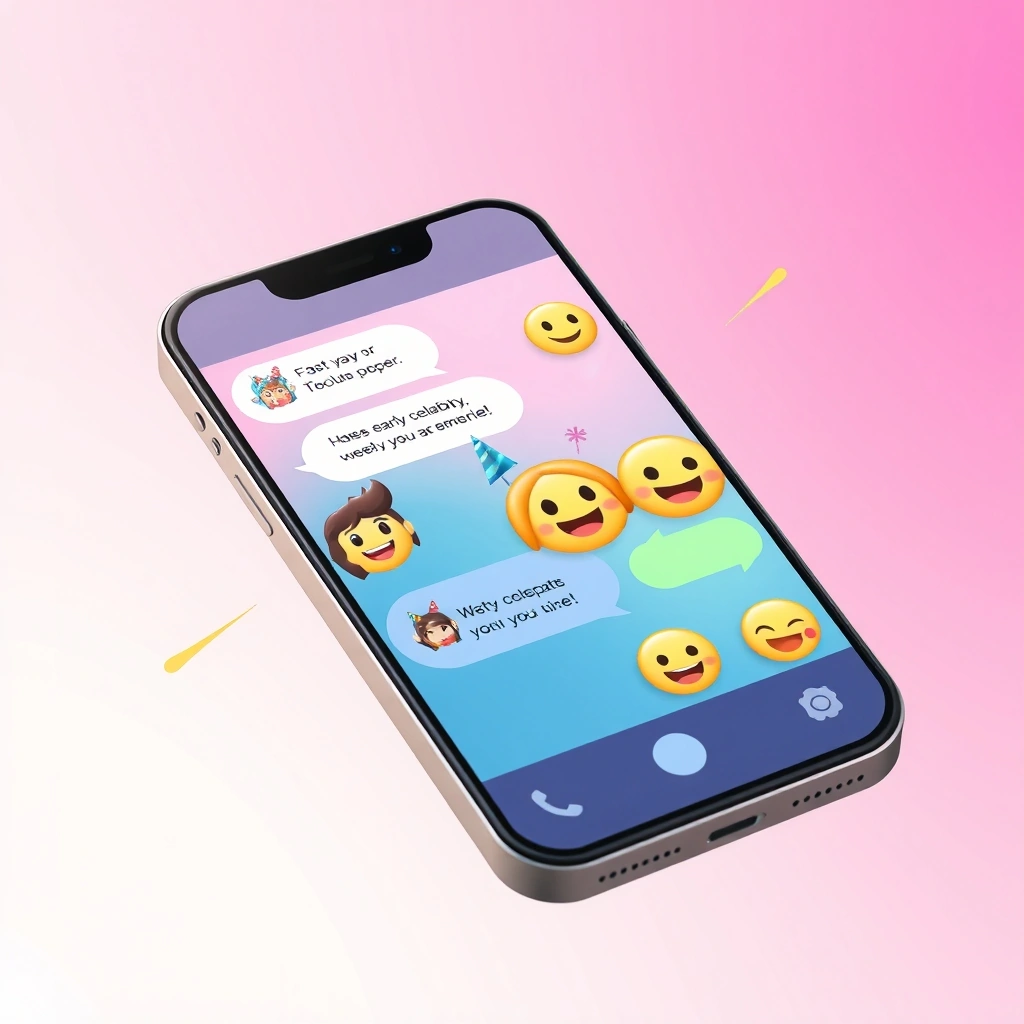
I often think about group chats, where conversations move at lightning speed. Someone shares good news, and a flurry of "Awesome!" and "Congrats!" messages fly by. If you're just catching up, a plain "That's great!" might get lost in the shuffle. But a "That's great! 🎉" or "So happy for you! 🥳" carries your genuine excitement and visually aligns you with the celebratory mood of the thread. It’s a way of raising your digital hand and joining the party, even with just two words. For more on navigating tone in fast-paced group settings, this piece on the gentle art of the quick reply in group chats explores this idea further.
It's Not About Being Extra, It's About Being Clear
Some might worry that using emojis makes communication less professional or mature. But in informal, practical communication with friends, family, and close colleagues, the opposite is true. Clarity is king. An emoji is a precision tool for preventing misunderstandings.
Consider the classic, potentially perilous reply: "Fine." On its own, it can be the most passive-aggressive word in the English language. But "Fine. 😅" suggests a reluctant, good-natured acceptance. "Fine. 👌" indicates genuine agreement. The emoji provides the crucial context your short message lacks.
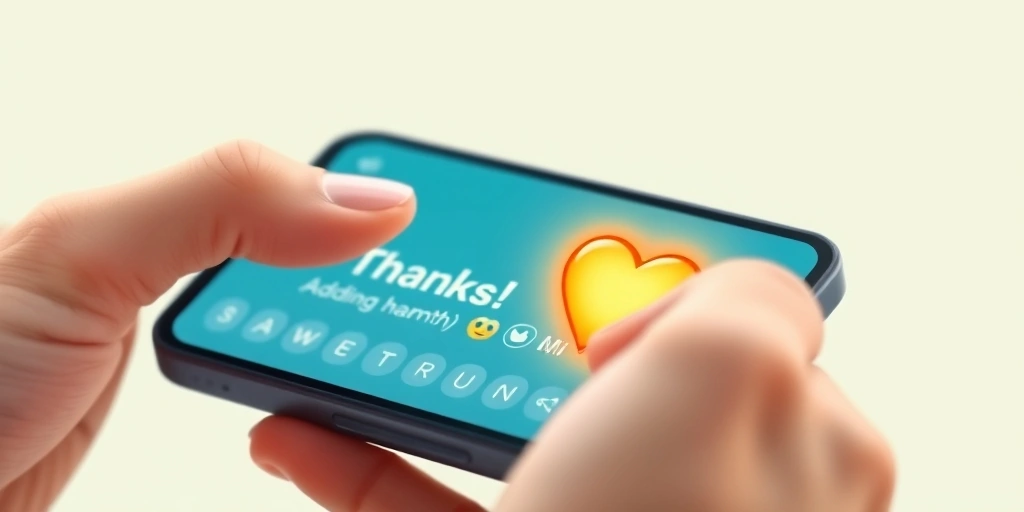
This isn't about decorating every message with a rainbow of symbols. It's about strategic, thoughtful use. A single, well-chosen emoji can do the heavy lifting. It answers the unasked question: "What is the tone behind these words?" Are you joking? Are you grateful? Are you excited? Are you sending a virtual hug? The emoji says it for you, making your quick reply feel considered and complete.
Mastering this subtle art can truly transform your daily digital interactions. If you're curious about how a single symbol can soften even the shortest text, you might enjoy exploring the gentle art of the emoji for more insights and examples. For a broader look at using emojis effectively, you can always browse our emoji guides and how-tos.
So next time you're about to send off a rapid-fire "Yep," "Got it," or "On my way," take half a second. Could this message benefit from a dash of tone? A sprinkle of warmth? A hint of your personality? That's the space where the emoji lives. It’s the quickest way to ensure your fast reply doesn't just convey information, but also carries a little piece of your intent along with it.
📒 Related Blogs
More...The Secret Language of Reactions: How Emojis Shape Opinions Online
More Than Just Fun: How Emojis Unravel the True Meaning in Busy Chats
The Pause Before the Emoji: How a Tiny Symbol Can Hold Space in a Difficult Conversation
The Fascinating Evolution of Emojis: From Early Pixels to Rich Expressions
The Quiet Language of Care: How Emojis Help Us Navigate Sensitive Conversations
Beyond Likes: How Emojis Revolutionize Social Media Engagement & Marketing