How Emojis Became the Unspoken Mirror of Our Online Lives

Mar 25,2026
The Quiet Beginnings: From Text to Tone
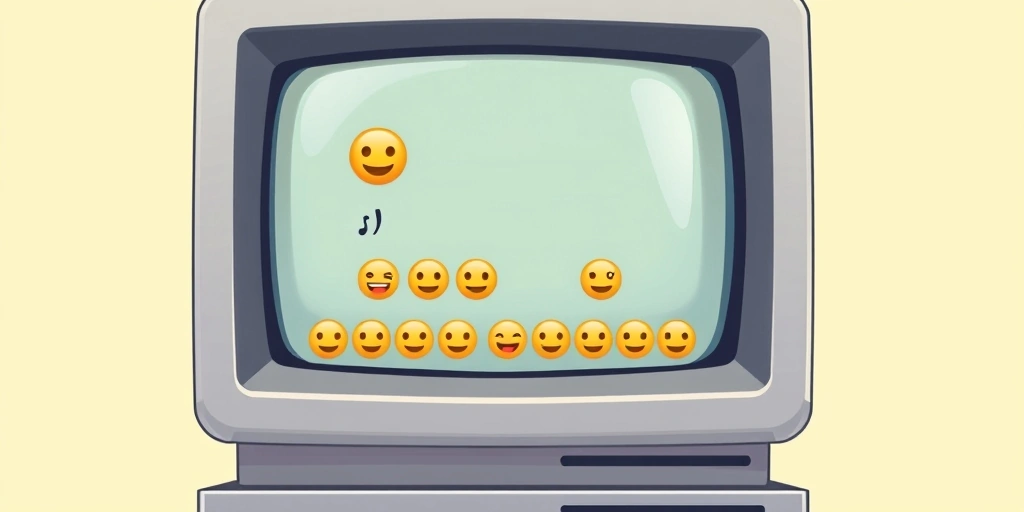
It’s hard to imagine now, but there was a time online when a simple smile had to be typed out. :) That little colon and parenthesis were our first, clumsy attempt to inject feeling into the stark black and white of text. In those early chat rooms and forums, communication was functional. We shared information, debated topics, but the emotional landscape was flat. The shift began subtly. That :) became a tool not just for happiness, but for softening a critique, for signaling 'I'm joking,' for building a tiny bridge of goodwill where tone was absent. It was the first hint that our online selves craved more nuance.
This was more than just adding decoration. It was the start of a new layer of communication. We were learning to compensate for the loss of body language and vocal inflection, building a shared grammar of symbols. The evolution from simple emoticons to the colorful, detailed emojis we use today tracks directly with how our online communities have grown from niche gathering spots into complex, multifaceted social worlds. To understand this journey deeper, you might enjoy how emojis became the secret language of our changing online world.
Finding Our Tribe: The Rise of Community-Specific Language
As the internet expanded, so did our tribes. We didn't just go 'online' anymore; we went to Reddit, to Discord servers, to niche hobby forums, to Twitter circles. And in each of these spaces, something fascinating happened with emojis. They stopped being universal and started becoming dialectal.
Think about it. The crying-laughing emoji 😂 might mean genuine, can't-breathe laughter in one group chat with old friends. In a more sarcastic, meme-heavy community, that same emoji could be deployed ironically, to punctuate a joke that's so bad it's good, or to signal you're in on the absurdity. A single peach emoji 🍑 can be innocent food talk in a cooking group and an entirely different cultural reference in another. We instinctively learn these subtle codes to show we belong, to signal that we understand the shared context and humor of the group. The emojis we choose become a badge of membership.
This creation of micro-languages is a direct mirror of how these communities form their identities. The in-jokes, the shared references, the specific ways of reacting—all get encoded into emoji use. It’s a fast, visual shorthand that says, 'I speak your language.'
The Pressure to Perform: Emojis and Social Currency
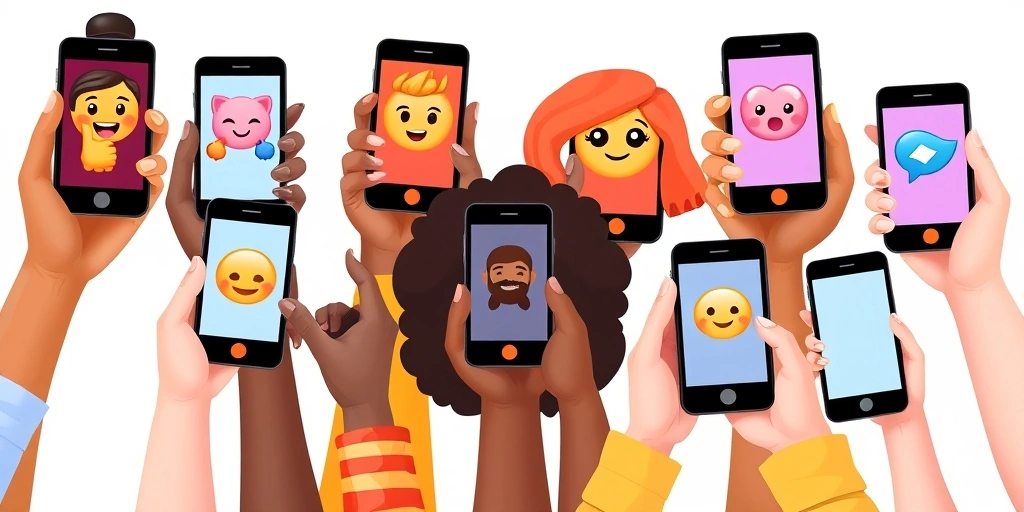
This belonging, however, comes with its own social dynamics. Emojis have become a form of social currency. In fast-moving spaces like Twitter or TikTok comments, using the 'right' reaction emoji at the right time can feel crucial. Is it a 💀 (I'm dead) moment or a 😭 (sobbing, but in a good way) moment? Misreading the room and using a ❤️ where a 😏 is expected can mark you as an outsider, or worse, 'cringe.'
This pressure reflects a broader shift in online communication: it's become performative. Our messages aren't just for the recipient; they're for the imagined audience of the community. We craft our reactions, our hot takes, and our supportive comments with emojis that align with the group's emotional tone. It's a way of managing our digital persona, of showing we are emotionally intelligent within the rules of this specific space. The anxiety over which emoji to use is, in a small way, the anxiety of social acceptance playing out in real-time.
The Emotional Scaffolding: Beyond Words
Perhaps the most profound shift emojis mirror is in how we manage emotional labor and nuance online. Text is brutally efficient but emotionally poor. A sentence like 'That's great' can be read as genuine, passive-aggressive, or dismissive. Add a 🎉 or a 😒, and the entire meaning crystallizes.
In supportive communities—mental health groups, fan spaces, close-knit servers—emojis provide the emotional scaffolding that text alone cannot. A heart 🫶🏼 can offer comfort more quickly than typing 'I'm here for you.' A series of 🔥🔥🔥 can convey enthusiastic support for someone's creative work. We use them to soften requests, to show gratitude without gushing, to express solidarity silently. They allow for a richness of emotional exchange that makes these digital spaces feel genuinely connective and human. Exploring the secret life of emojis and digital emotions sheds more light on this powerful function.
This isn't a dumbing down of language; it's a complexification of it. We are building a parallel language of affect that runs alongside our words, compensating for the sensory deprivation of the digital world. It’s how a generation that grew up texting can have deeply emotional and nuanced relationships without ever hearing each other's voices.
Where the Mirror is Leading Us
Today, the evolution continues at a breakneck pace. Emojis are now reacting to and shaping internet culture simultaneously. A viral meme can elevate a previously obscure emoji to sudden fame (see: the 'skull' 💀). Platform-specific features, like Twitter's 'emojiquent' reactions or Slack's custom emojis, further entrench these community dialects.
The mirror that emojis hold up shows us an online world that is increasingly nuanced, emotionally layered, and tribal. Our communication styles have shifted from broad, declarative statements to collaborative, context-rich, and visually aided conversations. The way we use a simple smiley face in 2024 carries the weight of decades of digital socialization, community norms, and the eternal human need to be understood, truly and fully, even through a screen.
As we move into new digital spaces—the metaverse, AI-augmented chats, whatever comes next—our reliance on these visual emotional cues will only deepen. They are no longer just fun additions to our text; they are fundamental to the architecture of how we relate to each other online. The story of the emoji is, in the end, the story of us trying to be human together in a place built for machines.
📒 Related Blogs
More...The Mind's Shortcut: How Emojis Speed Up Our Digital Conversations
The Silent Echo: How Emojis Speak When Words Are Hardest to Find
The Unspoken Magic of Emoji Pairs: How Two Little Icons Say So Much More
Unlock Lighter Chats: Emojis Transform Routine Conversations
The Little Smiles That Make a Big Difference: Emojis and Casual Fun
Emoji Etiquette: Mastering the Unwritten Rules of Digital Communication