How Viral Moments Rewrite Our Emoji Language

Mar 19,2026
If you've ever found yourself using an emoji in a way that feels completely natural to you and your friends, but might confuse someone from a different corner of the internet, you've witnessed a fascinating cultural phenomenon. Emojis are no longer static symbols with fixed definitions. Instead, they are living pieces of language, constantly reshaped by the communities that use them, especially during explosive viral moments.
Think of emojis as digital clay. A platform like Twitter, TikTok, or a specific subreddit provides the workshop. When a major event happens—a shocking news story, a hilarious meme format, a beloved celebrity moment—the community collectively grabs that clay and starts molding. They assign new context, layer on irony, or create a shorthand that perfectly captures a shared feeling. What starts as an inside joke can, through the sheer force of virality, become a new, widely understood meaning.
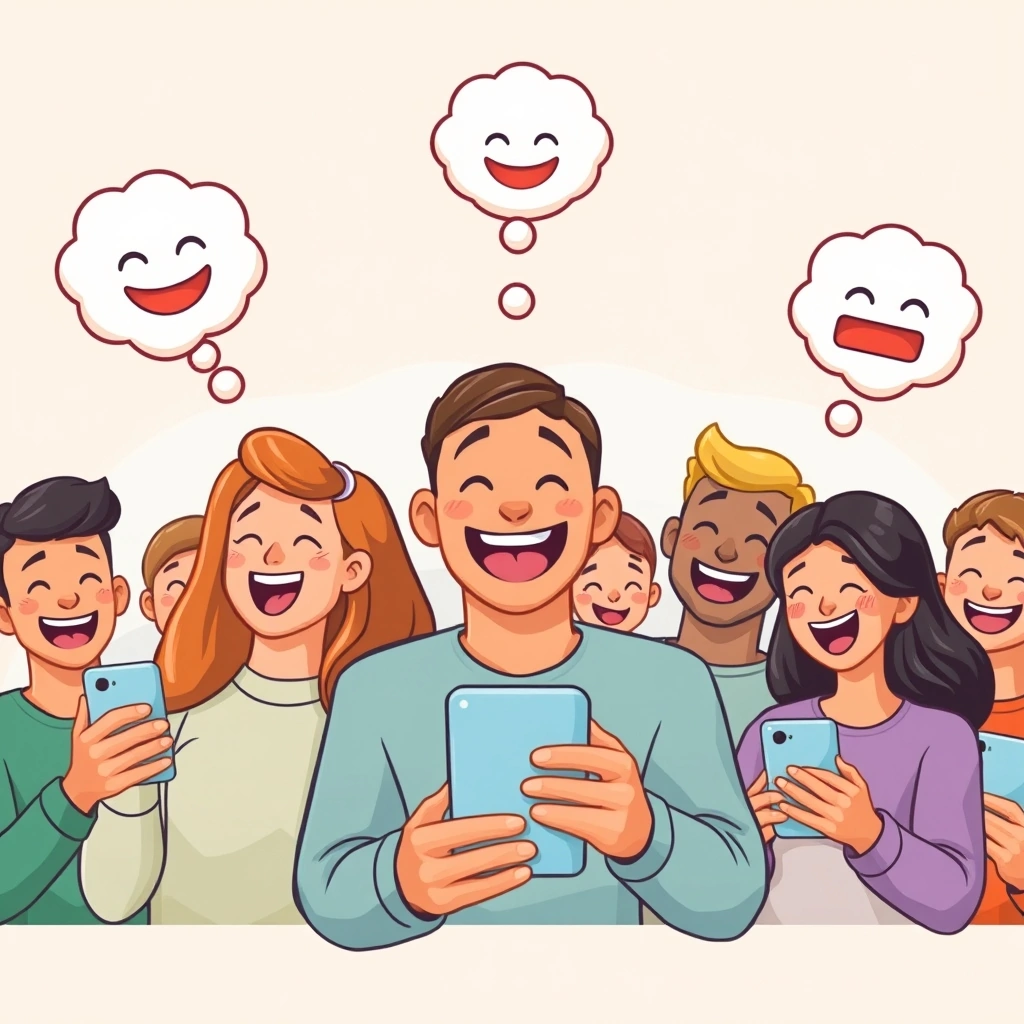
This process is less about a top-down change from dictionary makers and more about a grassroots evolution. It's a form of linguistic adaptation, happening at internet speed. A single emoji can become the definitive way to express sarcasm, solidarity, or cringe across millions of posts. This isn't random; it follows patterns. Often, the new meaning plays off the emoji's original intent in a humorous or subversive way, creating a kind of digital wink between those in the know.
These shifts are powerfully tied to platform culture. The fast-paced, reply-driven nature of Twitter (now X) is perfect for creating ironic or meta uses of emojis. Instagram's visual focus might see emojis used more for aesthetic emphasis in captions and stories. Meanwhile, the highly niche communities on platforms like Discord or Reddit can develop incredibly specific emoji lexicons that are almost impenetrable to outsiders. The platform's tools and norms directly influence how emojis are repurposed.
The Lifecycle of a Viral Emoji
So how does it work? The lifecycle often begins with a catalyst: a viral video, a political event, or a popular TV show moment. Someone uses an emoji in a novel way to comment on it. Because the context is so fresh and widely shared, the new usage resonates. Others pick it up, repeating and remixing it. Soon, you don't need to explain the original event; the emoji itself carries the entire story and emotional weight. It becomes a compact unit of cultural reference.
This has a profound effect on digital communication. It allows for incredibly nuanced expression. A string of three specific emojis can convey a complex opinion or an inside joke more efficiently than a paragraph of text. It fosters a sense of belonging. Using an emoji in its new, community-approved way signals that you're part of the group, that you 'get it.' Conversely, using it in its old, formal way can mark you as an outsider.
When Meanings Collide
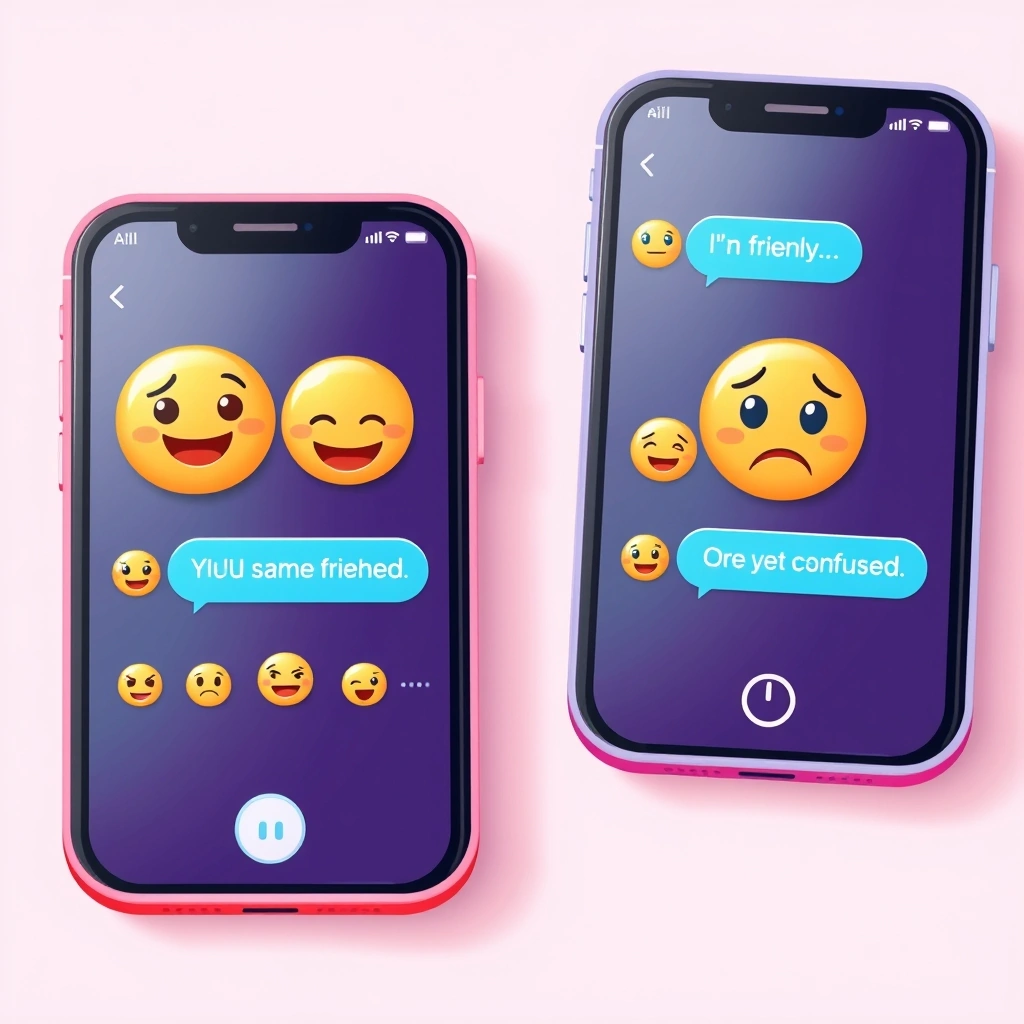
Of course, this rapid evolution can lead to confusion and even conflict. Generational gaps in emoji understanding are now common. A symbol that means one thing to a teenager on TikTok might mean something completely different to their parent on WhatsApp. This isn't just a funny misunderstanding; it can lead to real miscommunication in both personal and professional digital spaces. The emoji that you intend as playful might be read as passive-aggressive if the receiver is operating with a different cultural rulebook.
Furthermore, the meaning isn't always stable. An emoji's viral meaning can fade as the moment passes, leaving it in a kind of linguistic limbo. Sometimes, the new meaning sticks and even gets formally recognized. Other times, the emoji reverts to its older use, or splinters into multiple meanings used by different groups. Tracking this evolution is a window into what our online communities care about, laugh about, and rally around.
To explore more about how these symbols change over time, you might enjoy this deeper look at the secret life of our digital symbols.
Ultimately, the story of viral emojis is a story about human connection. In vast, often anonymous digital spaces, we are building shared languages to express our collective joy, outrage, humor, and support. Every time a new emoji trend takes off, it's a testament to our creativity and our desire to find common ground, one tiny, colorful symbol at a time. These patterns show that our communication is alive, responsive, and deeply social. The next time you use an emoji, consider the journey it might have taken to mean what it does to you in that moment. You're not just sending a picture; you're participating in a living, breathing culture. For more insights into this intersection of emojis and online life, visit our broader section on emoji culture and trends.
📒 Related Blogs
More...The Group Chat Effect: How Emojis Shape What We Think You Mean
How a Simple Emoji Can Make Your Deadline Reminders Sound More Polite
Emoji Etiquette: Mastering the Unwritten Rules of Digital Communication
How Emojis Keep Your Slack Messages Professional and Friendly
Emoji Etiquette: Mastering the Unspoken Rules of Digital Communication
The Group Chat Just Got Awkward. Here's How a Simple Emoji Can Fix It.