The Group Chat Effect: How Emojis Shape What We Think You Mean

Feb 25,2026
The Unseen Moderator in Your Group Chat
Think about the last big group conversation you were part of. Maybe it was planning a trip, discussing a work project, or just catching up with friends. The messages fly fast, and in that whirlwind, our words can sometimes land with a thud. Was that sarcastic? Are they actually upset? This is where our tiny, colorful friends step in. Emojis don't just decorate our texts; they act as a kind of social glue and a tone moderator, especially when multiple people are reading the same message.
When you're talking one-on-one, you have shared context and maybe even a familiar rhythm. In a group, that context splinters. Your close friend knows your dry humor, but your cousin in the same chat might not. A simple "Great job" could be genuine praise or biting sarcasm. The emoji you choose—or don't choose—becomes the crucial clue for everyone trying to decode your intent.
Steering the Collective Mood
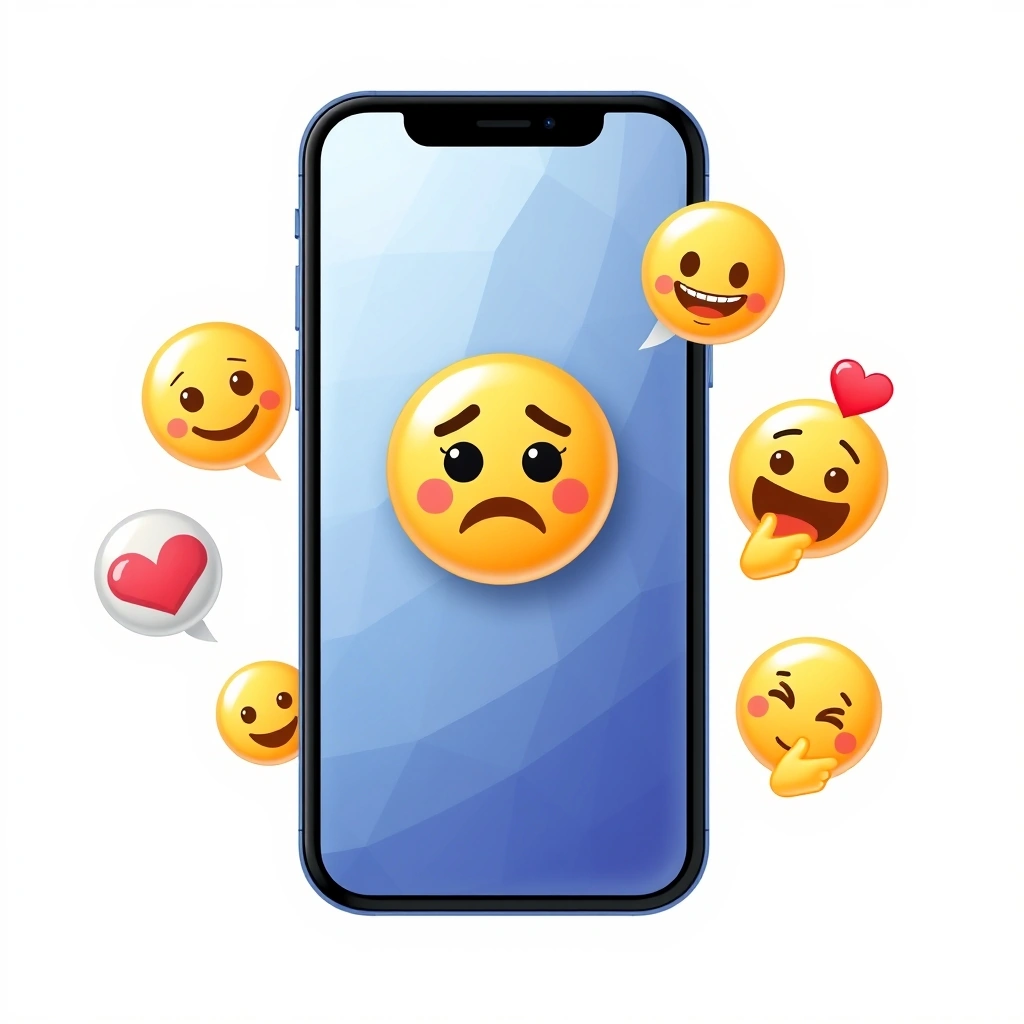
It's fascinating to watch how one person's emoji can set a trajectory for the whole conversation. Imagine someone shares a minor frustration in a chat. If the first reply is a laughing face, it can instantly frame the situation as light-hearted and funny, encouraging others to join in with similar playful emojis. If the first reply is a concerned or heart emoji, the tone shifts to one of support and empathy. The emoji acts as a signal, telling the group how to collectively respond to the initial message.
This is a powerful form of nonverbal steering. Without saying "let's take this seriously" or "let's joke about this," the emoji does the work. It's a quick, efficient way to align a scattered group's emotional response.
When Ambiguity Creates Ripples
The absence of emojis in a group setting can be just as loud as their presence. In a lively, emoji-filled chat, a plain text message from a usually expressive person can feel heavy. The group might wonder: Are they angry? Are they being curt? The lack of the expected social cue creates a vacuum, and people will fill it with their own assumptions, often leaning toward the negative.
Similarly, an ambiguous or mismatched emoji can cause confusion. Using a winking face in a serious discussion might make your valid point seem insincere to some members, while others might correctly read it as you trying to soften the blow. The intent you had for one person gets filtered through the perceptions of many.

Building Bridges and Marking Territory
Emojis also help build rapport and show alignment in groups. When someone shares good news and the chat fills with clapping hands, party poppers, and heart eyes, it's a visual chorus of celebration. That person feels seen and supported by the collective. You're not just saying "I'm happy for you," you're visibly joining a wave of communal joy.
Conversely, emojis can subtly mark in-groups. The use of a niche, inside-joke emoji or a specific reaction meme creates a bond between those who get it and can leave others feeling on the outside. In this way, emojis manage social layers within the larger group dynamic.
Understanding this can make us better digital communicators. It's about realizing that in a group, you're not broadcasting to one person with a shared history. You're addressing a small, diverse audience all at once. The emoji becomes your tool for clarity, your shield against misunderstanding, and your way of gently guiding the conversation's emotional weather. For more on how these small symbols frame our ongoing interactions, you can explore thoughts on the silent framing emojis provide.
So next time you're about to hit send in your family chat, work thread, or friend group, take a half-second. That one emoji isn't just for you or your best friend in the chat. It's a public signal to everyone, shaping how your words will be felt and remembered by the whole crowd.
📒 Related Blogs
More...The Psychology of Emojis: What Your Favorite Icons Reveal About You
The Fascinating Journey of Emojis: From Simple Text to Universal Language
The Emoji Effect: How Our Digital Expressions Are Always Changing
The Daily Glue: How Emojis Keep Your Everyday Chats Warm and Friendly
Emoji Magic: How a Single Icon Changes Everything in Online Conversations