Beyond Words: How Emojis Steer the Tone of Your Online Chats

Feb 24,2026
Think about the last time you sent a plain text message. Maybe it was a simple "okay" or "sure." Now, think about how you felt sending it. Were you worried it might sound cold or sarcastic? If you're like most of us, you probably reached for an emoji to bridge that gap. That little pictograph isn't just a decoration; it's a powerful tool that directly influences the conversational tone of our online interactions.
In face-to-face chats, we rely on a symphony of non-verbal cues—a smile, a raised eyebrow, a shrug—to convey our true intent. Online, that symphony is reduced to a single line of text. Emojis step in to fill that void. They act as tone indicators, helping to prevent the misunderstandings that text alone is so prone to creating.
The Subtle Shift from Statement to Sentiment
Consider the difference between these two messages:
"I can't believe you did that."
Versus:
"I can't believe you did that 😂"
The first is ambiguous. It could be expressing shock, anger, or disappointment. The second, with the addition of the laughing-crying emoji, instantly frames the statement as playful and amused. The emoji doesn't change the words, but it completely overhauls their emotional delivery and how they will be received.
This is the core of how emojis influence tone. They provide the emotional context that our words lack on a screen. A period can feel final and serious, while an exclamation point can feel enthusiastic. An emoji, however, can specify the type of enthusiasm—is it joyful (🎉), supportive (💪), or silly (🤪)?
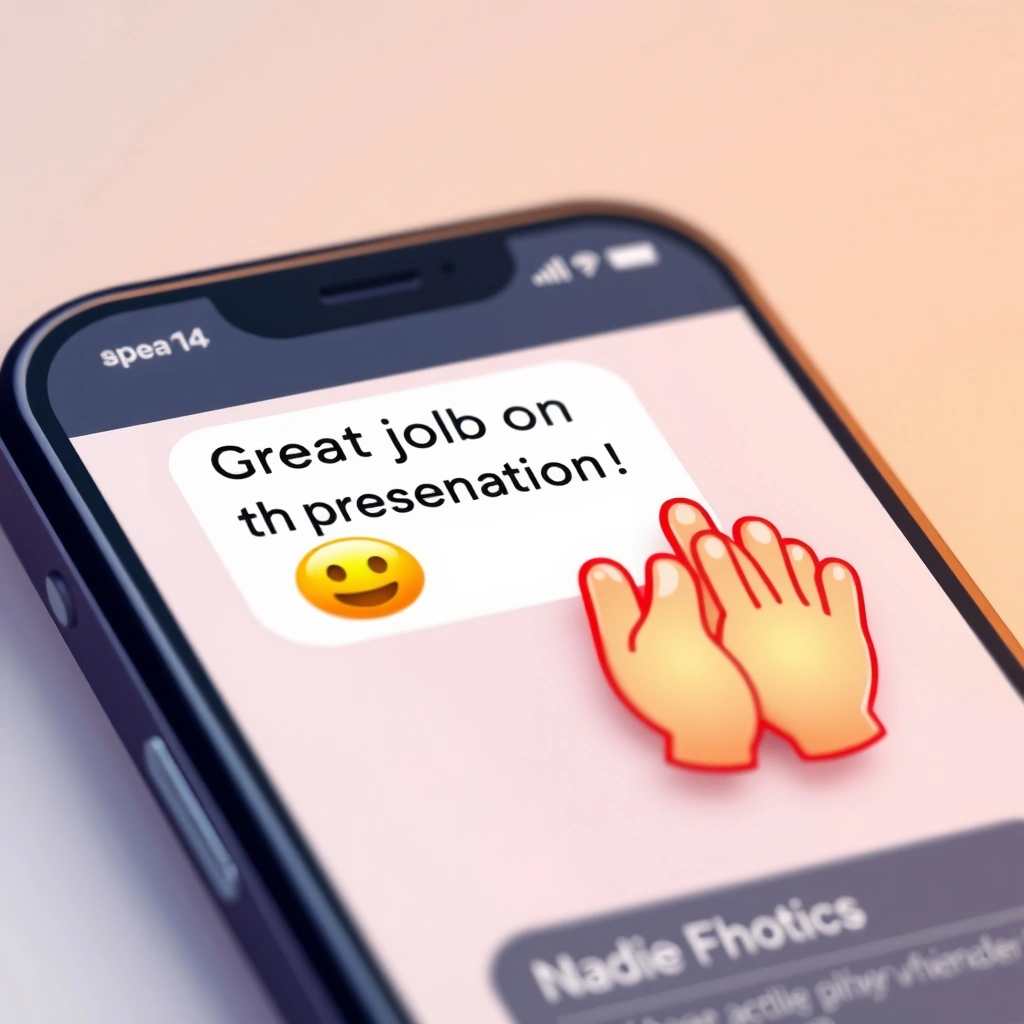
This function is especially critical in brief, fast-paced exchanges where we don't have time for lengthy explanations. In a group chat making plans, a thumbs-up (👍) efficiently signals agreement, while a thinking face (🤔) politely indicates hesitation without derailing the conversation. They keep the flow moving while maintaining a clear, friendly tone. For more on how emojis operate in quick chats, you might find this look at emojis in fast-paced messaging really interesting.
When Tone Goes Awry: The Risk of Misinterpretation
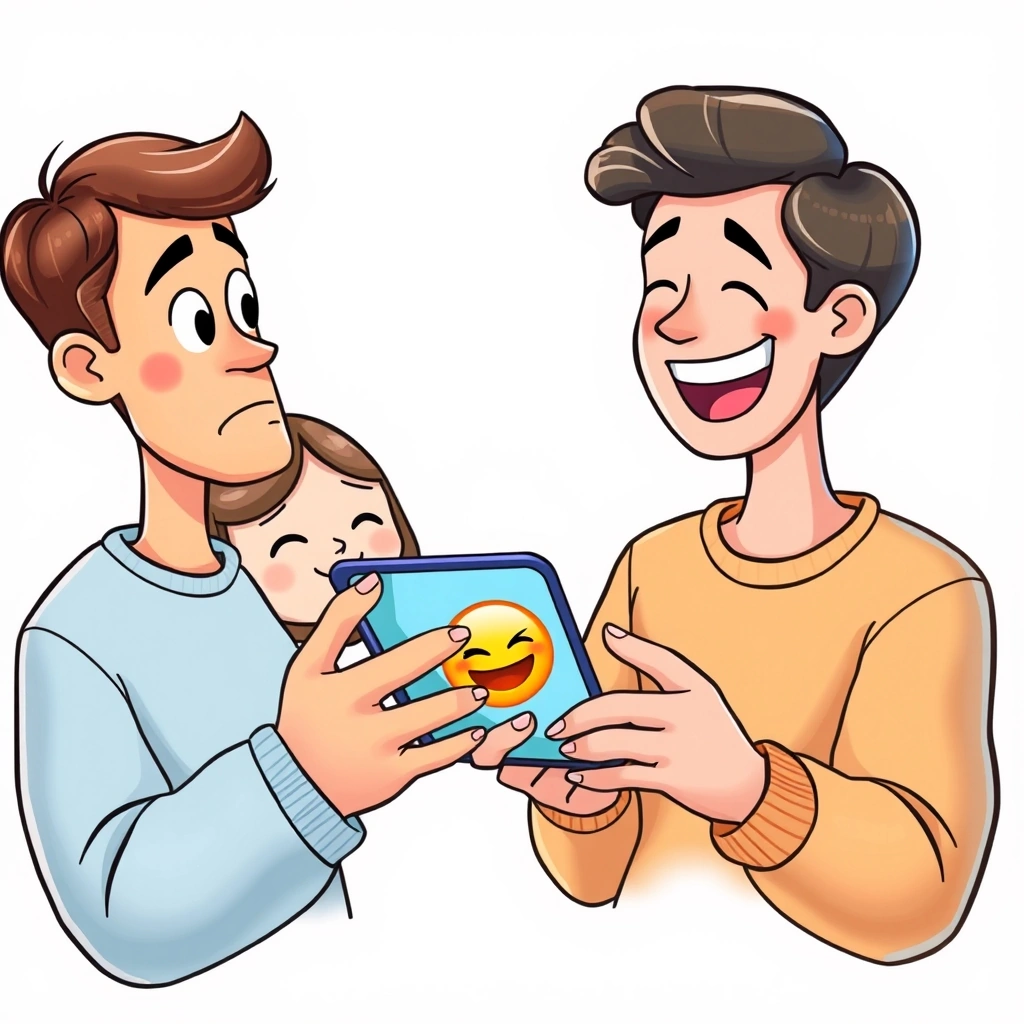
Of course, this tool requires some shared understanding. The influence of an emoji on tone isn't universal. A winking face (😉) might be seen as playful flirtation by one person and as sarcastic dismissal by another. Generational and cultural differences in emoji interpretation are real.
The infamous "crying-laughing" emoji (😂) is a prime example. For many, it's the ultimate marker of humor. For others, it can feel overused or even insincere. Using it in a serious conversation can completely misfire, making the sender seem dismissive or tone-deaf. The emoji chosen either reinforces the intended tone or creates a dissonant, confusing one.
This is why thinking of emojis as communication tools is so helpful. You wouldn't use a hammer to screw in a lightbulb. Similarly, choosing the right emoji for the desired tone is a skill. It’s about aligning your visual cue with your verbal message to ensure they work in harmony. To dive deeper into this concept, explore the hidden power emojis have to shape message meaning.
Building Rapport and Softening Edges
Beyond clarifying intent, emojis have a profound ability to build and maintain a warm, friendly tone in ongoing conversations. A simple heart (❤️) or smiling face (😊) at the end of a message can transform a functional exchange into a connective one. It's a digital equivalent of a warm tone of voice.
They are also excellent for softening requests or feedback that might otherwise sound blunt. "Can you send me that report?" feels like a demand. "Can you send me that report? 🙏" feels like a polite request. The praying hands emoji adds a layer of courtesy and appreciation, influencing the tone from transactional to collaborative.
In professional settings, this is becoming increasingly nuanced. While the crying-laughing emoji might be too informal for a client email, a simple smiley (🙂) or clapping hands (👏) in appropriate contexts can make communication feel more human and less robotic, fostering better digital working relationships.
Ultimately, emojis are integrated into the fabric of how we talk online. They are not afterthoughts but active participants in shaping a conversation's atmosphere. They help us express nuance, prevent conflict, and maintain connections in a medium that strips away the human cues we rely on. By consciously choosing them, we take more control over the tone of our digital dialogues, making our online conversations clearer, kinder, and more effective. For more insights on this ever-evolving landscape, check out other posts in our emoji & communication category.
📒 Related Blogs
More...Beyond the Single Emoji: How Combinations Tell Your Full Story
The Great Emoji Debate: Are Emojis Enhancing or Hindering Modern Language?
Mastering Emoji Etiquette: What NOT to Do in Digital Communication
The Hidden Science of Emojis: How a Simple 😂 or ❤️ Shapes Your Social Media Feed
The Fascinating Evolution of Emojis: From Early Pixels to Rich Expressions