The Hidden Power of Emojis in Public Online Conversations

Jan 30,2026
The Digital Town Square Has a New Language
Scroll through any public conversation on Twitter, a Facebook post from a brand, or the comments on a popular Instagram reel. What do you see? Beyond the text, a vibrant layer of emotion, nuance, and intent—all conveyed through emojis. These tiny icons have become the punctuation marks of the 21st century, but they're so much more powerful than a simple period or exclamation point. In the high-stakes, fast-moving arena of public replies, an emoji doesn't just decorate a message; it actively steers it.
Think about the last time you saw a heated debate unfold online. Words are flying, perspectives are clashing, and the tension is palpable. Then, someone chimes in with a thoughtful point followed by a 🤔 or a 🙏. Something shifts. The conversation doesn't necessarily end, but the edge softens. That emoji acted as a social cue, a digital body language that said, "I'm engaging thoughtfully" or "I hear you." It's a tool for emotional regulation, not just for the person using it, but for everyone reading the thread.
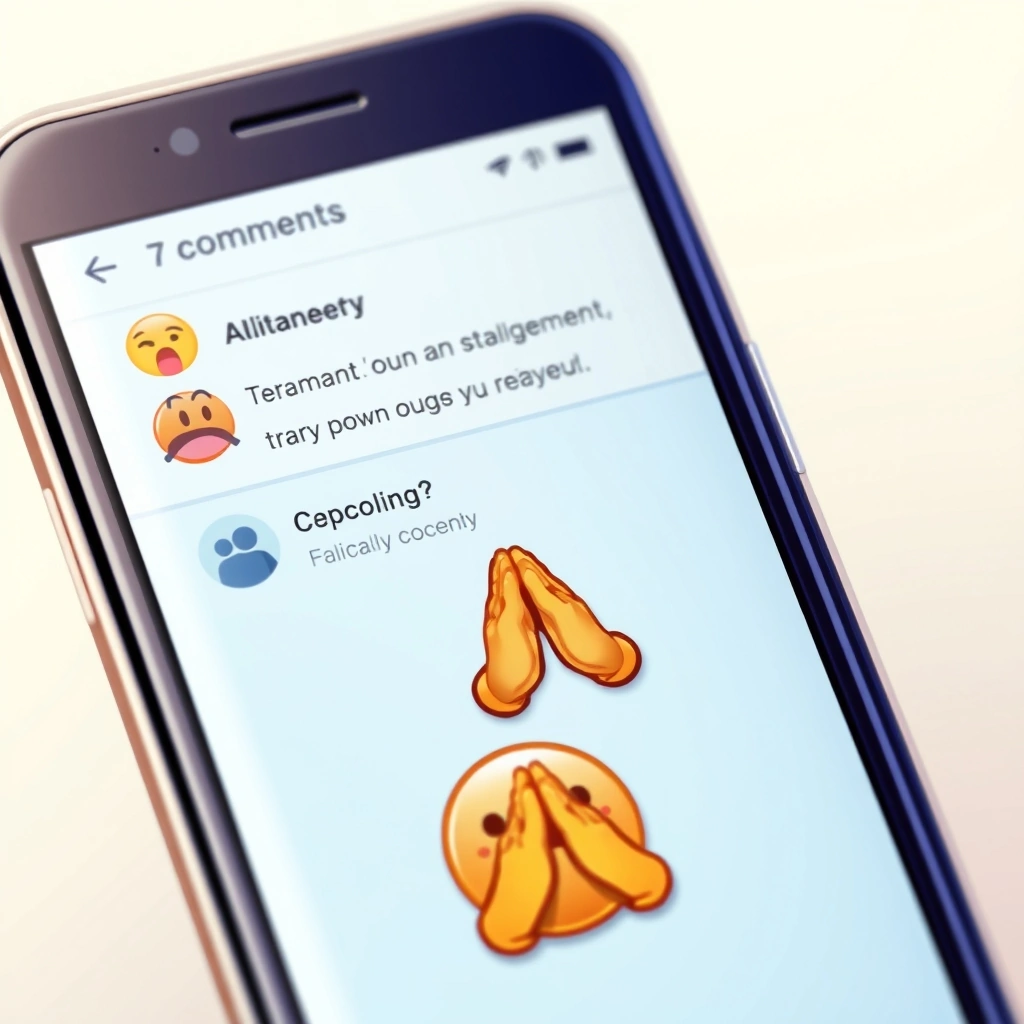
More Than Decoration: Emojis as Tone Setters
In private messages, we use emojis to make sure our friends know we're joking (😉), or to express sympathy (❤️). In public, their role expands. They become broadcast signals. A brand replying to a complaint with a 😔 and a ✅ is performing accountability for an audience. A user adding a 🔥 to a clever comeback is publicly amplifying it, casting a vote in the court of public opinion.
This influence is profound because text alone is notoriously bad at conveying tone. Sarcasm, sincerity, frustration—they can all get lost in translation. An emoji cuts through that ambiguity. A statement like "Great job" could be genuine or deeply sarcastic. Add a 👏 and it's celebratory. Add a 😒 and the meaning flips entirely. In a public reply, you're not just clarifying for one person; you're setting the interpretive frame for hundreds or thousands of lurkers.
For more on how emojis shape perception, our article on The Emoji Effect dives deeper into the psychology.
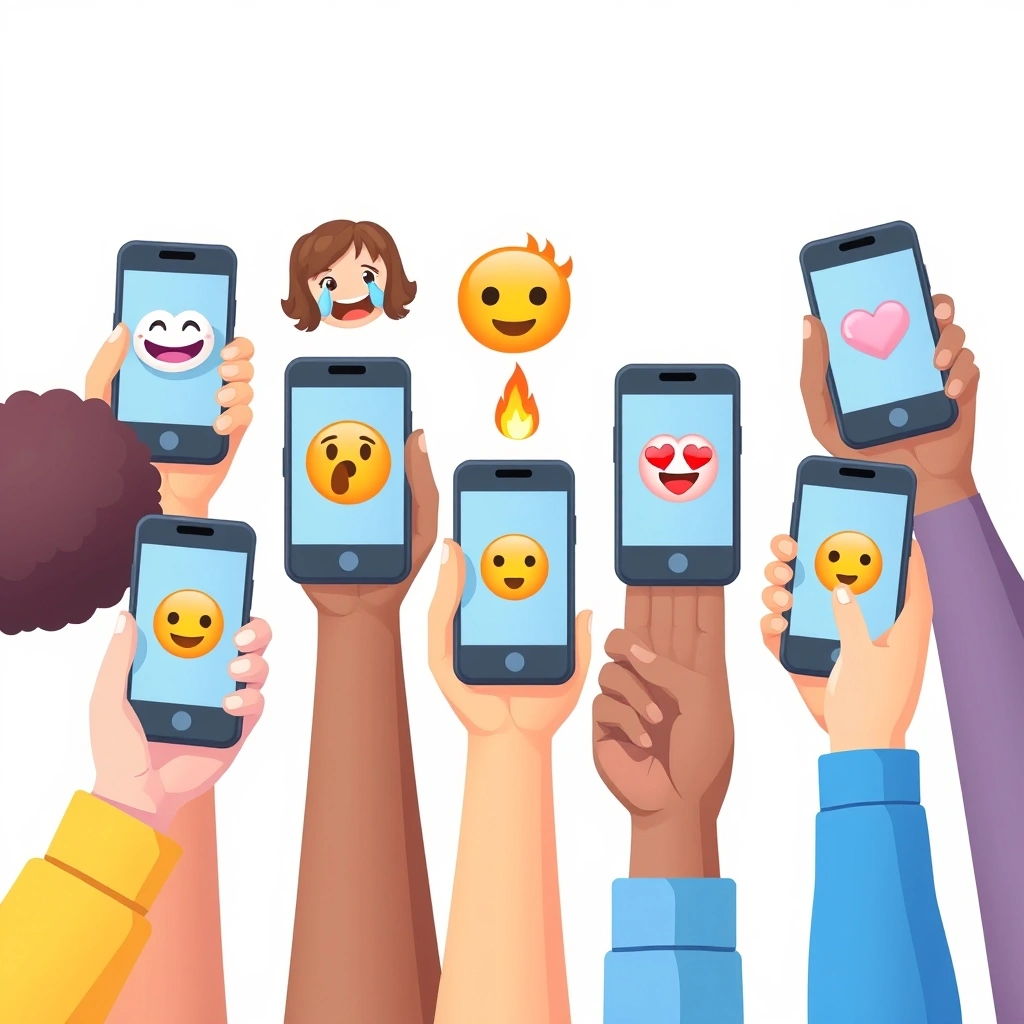
The Ripple Effect of a Single Icon
The most fascinating part is the contagion effect. One person uses a 😂 to react to a funny tweet. The next few replies often mirror that energy, creating a cascade of laughter and lightheartedness. Conversely, a thread started with an angry 😤 or eye-roll 🙄 can quickly become a magnet for similar negativity. Emojis seed the emotional culture of a conversation.
This is especially true in support or community-building contexts. In replies to someone sharing a personal struggle, a string of ❤️, 🤗, and 🫂 emojis creates a visible wall of solidarity. It's a low-effort, high-impact way for a crowd to say, "We see you, and we're with you." The emojis become the collective voice.
Navigating the Pitfalls with Care
Of course, with great power comes great responsibility. The same emoji that builds bridges can burn them if misused. A 😅 in a reply to a serious critique can come off as dismissive. The infamous 👏 clap emoji has become a weapon of condescension in certain contexts. And generational or cultural differences in interpretation mean your intended 👍 might be read as passive-aggressive by someone else.
The key is contextual awareness. Who is your audience? What is the prevailing tone of the existing conversation? Are you amplifying, agreeing, questioning, or softening? Choosing an emoji in a public reply is a micro-act of social diplomacy.
It's also worth exploring how emojis can act as a filter for our own arguments, a topic we touch on in The Emoji Filter.
The Unspoken Rules We're All Writing
What's emerging is a whole new set of unspoken grammar rules for public digital speech. We're collectively learning that a thread of 🕯️ emojis signifies mourning or solidarity. That a 💀 means "I'm laughing uncontrollably." That a lone . period emoji is a mic drop of disapproval. This lexicon is fluid, evolving, and deeply human.
So the next time you're about to hit 'reply' in a public forum, pause for a second. Look at the text you've written. Now ask yourself: What is the emotional subtext? Is there a tiny icon that could ensure your intent is received loud and clear? Could it help de-escalate, connect, or emphasize? That moment of choice is where the real influence lies. We're not just typing words anymore; we're painting emotional landscapes for a crowd, one pixelated heart, face, and symbol at a time. And honestly, it makes you wonder what subtle, unspoken conversation is happening right now in the replies to this post, doesn't it?
For more insights into the intersection of emojis and social dynamics, check out our full Emoji & Social Media category.
📒 Related Blogs
More...Decoding Emoji Trends: What's Popular and Why People Use Them
The Hidden Meaning: Understanding the Psychology Behind Your Favorite Emojis
The Psychology of Emojis: What Your Favorite Icons Reveal About You
Navigating Emotional Landmines: How Emojis Soften Awkward Digital Moments
Emoji Psychology: Decoding What Your Favorite Emojis Reveal About You
The Emotional Shortcut: How Emojis Rewire Your Brain's Digital Conversations