The Cringe-Worthy Emoji: When Professional Messages Go Awry

Mar 12,2026
We've all been there. You're in a fast-paced team chat, trying to be efficient and friendly. You fire off a quick reply with a smiling emoji or a simple thumbs-up, only to be met with an awkward silence. A few minutes later, a colleague DMs you: "Hey, was everything okay with my report? Your message seemed a bit off." And just like that, a tiny digital pictogram has created a moment of unnecessary tension.
Emojis are the spice of digital conversation. They add tone, convey emotion, and can make dry exchanges feel human. But in professional settings, that same spice can sometimes feel like you've accidentally poured the entire chili jar into the soup. The intent is warmth; the result is a burning sensation of confusion.
Let's walk through some of the most common culprits. The goal isn't to scare you away from emojis forever, but to bring a little more awareness to the silent language we're all speaking.
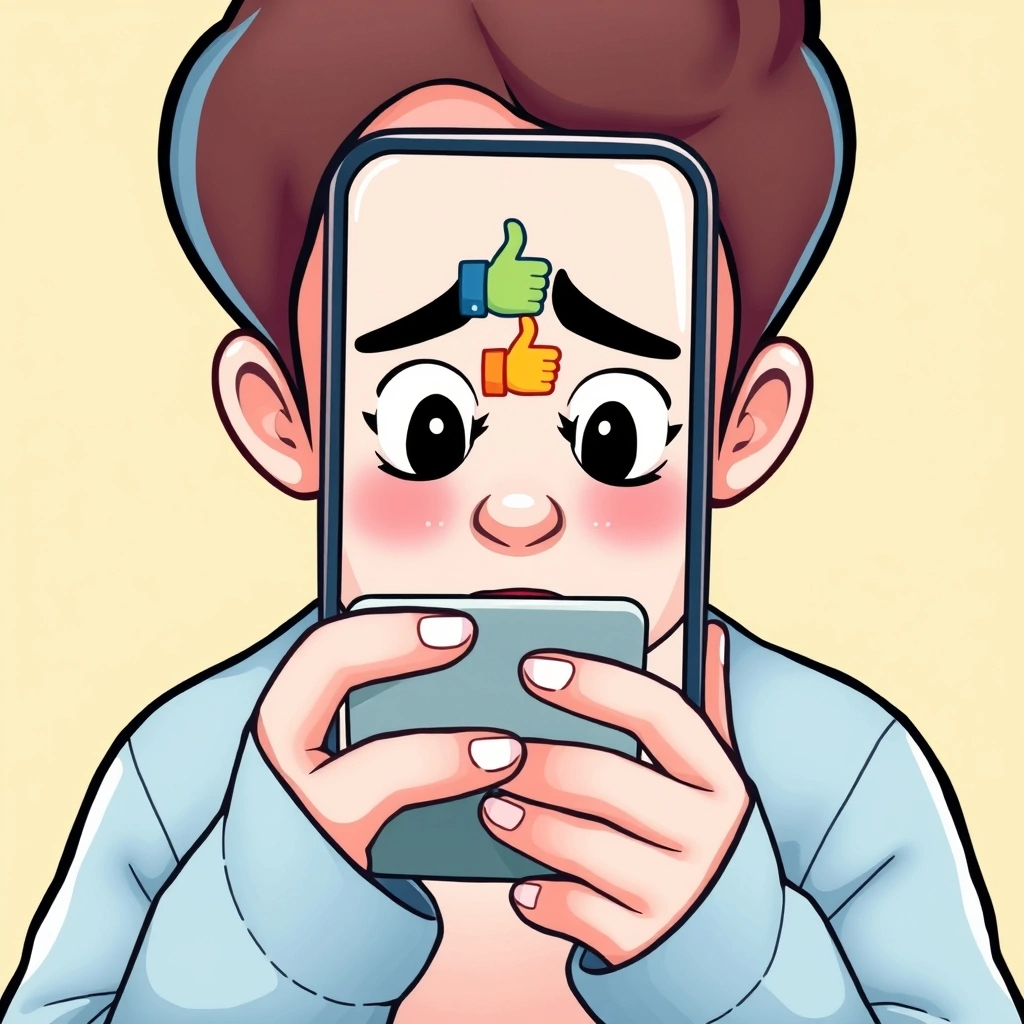
The 'Thumbs Up' That Feels Like a Shut Down
This is perhaps the king of ambiguous professional emojis. On paper (or screen), it's a universal sign for "okay," "got it," or "agreed." But in practice, especially as a standalone message, it can radiate a vibe of passive-aggression or dismissiveness. It can feel like a conversation ender when you meant it as a simple acknowledgment.
Compare "The report looks good 👍" with just "👍" in response to a long, detailed message. The first is clear and positive. The second can leave the sender wondering if you even read their work or if you're just brushing them off. Context is everything, and sometimes the thumbs-up needs a few words as its wingman.
The Overly Casual Celebration
Then there's the emoji that's a little too enthusiastic for the occasion. The party popper (🎉) or confetti ball (🎊) are fantastic for celebrating a major launch, a closed deal, or a work anniversary. But using them for a routine task completion—"Just filed my TPS report 🎉"—can seem sarcastic or oddly intense. It subtly shifts the tone from professional to a party that maybe only you were invited to.
Similarly, strings of heart emojis (❤️🧡💛) or the crying-laughing face (😂), while perfect for personal chats, can feel overly familiar or unprofessional with colleagues or clients you don't know well. They cross an invisible line from friendly into territory that might not be shared.
For more on how emojis get misread, check out our post on that awkward moment when your emoji message gets totally misread.
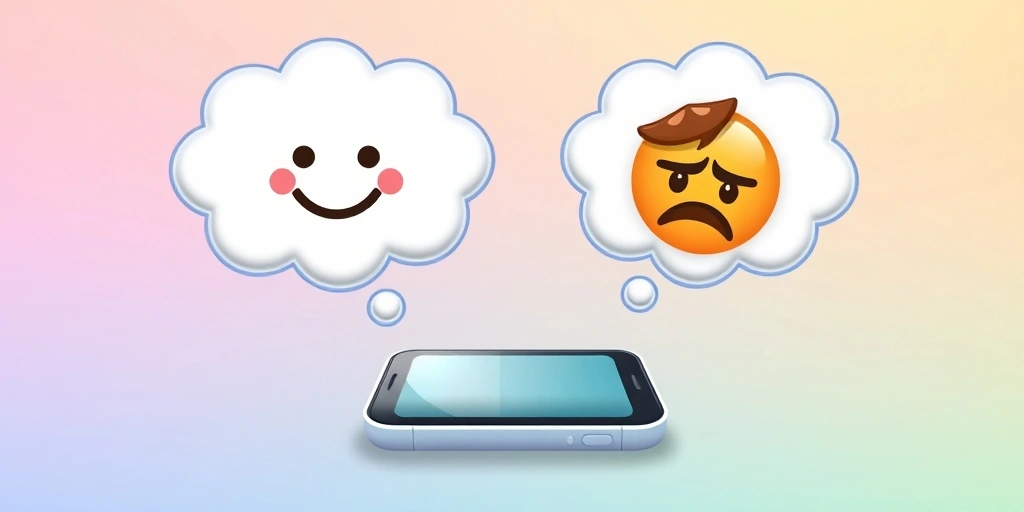
The Sincerity Gap: When Tone Doesn't Translate
The core issue is what linguists call the "sincerity gap." When we talk face-to-face, our meaning is carried by a symphony of cues: voice pitch, facial expression, gesture, and timing. In text, we have only words and, if we choose, emojis. An emoji is meant to bridge that gap, but it's a narrow, wobbly bridge.
The grimacing face (😬) is a classic example. You might use it to express sympathetic awkwardness: "Yeah, that meeting with the client was rough 😬." But without your vocal tone, a recipient could interpret it as you judging *them* for the rough meeting. The emoji's meaning is entirely dependent on the shared understanding and relationship between the people in the conversation.
Navigating the Minefield
So, does this mean we should revert to plain, emotionless text in all professional communication? Absolutely not. That would make our digital workplaces even colder. The key is mindful usage.
Think of emojis in professional settings like a handshake or a smile in a meeting. It's a gesture. You wouldn't give an overly forceful handshake or an exaggerated, permanent smile. You match the gesture to the context. Start with more universally accepted, mild emojis (like a simple smile 😊 or a check mark ✅) in formal or new relationships. Let the emoji lexicon grow naturally as the working relationship and comfort level do.
And when in doubt, use words. A sentence like "I appreciate you getting this to me so quickly!" is infinitely clearer and warmer than a lone fire emoji (🔥), which could mean "this is hot/trending," "you're on fire," or something else entirely.
This is part of a larger landscape of emoji mistakes and misuse that we're all navigating together. It's less about hard rules and more about developing a shared digital dialect with the people you work with.
At the end of the day, these awkward moments are a sign that we're trying. We're trying to be human in spaces that can feel transactional. We're trying to convey warmth through cold glass screens. The occasional misstep is just part of learning this new language. The next time you feel that twinge of uncertainty before hitting send, maybe swap the ambiguous symbol for a couple of genuine words. Or, if you do go for the emoji, maybe follow it up with a clarifying sentence. Your colleagues will likely appreciate the clarity—no emoji needed.
📒 Related Blogs
More...Oops! Did My Emoji Just Make Things Weird? Navigating Awkward Digital Moments
The Viral Spark: How a Single Emoji Can Ignite a Reaction Chain
The Emoji Status Check: How a Simple 😅 or 👍 Can Save Your Workday
Emojis & Mental Health: Expressing Emotions Digitally for Well-being
The Hidden Power of Emoji Combos: How We Build Mood in Casual Comments
How Emojis Are the Secret Weapon for Navigating Heated Online Conversations