The Emoji Filter: How Tiny Icons Shape Big Opinions on Social Media

Mar 12,2026
The Unspoken Rules of Reaction
Think about the last big news event or viral trend you commented on. Maybe it was a political announcement, a celebrity scandal, or a new tech launch. You typed out your thoughts, but before hitting 'post,' your thumb hovered over the emoji keyboard. That final choice—a thinking face, a fire emoji, a crying laugh—wasn't just an afterthought. It was the frame for your entire opinion.
In everyday posting, emojis act as a filter, softening hard stances, amplifying sarcasm, or signaling solidarity. A post criticizing a policy can come across as constructive with a thoughtful 🤔, but aggressive with an angry 😠. The words might be identical, but the perceived intent shifts completely. This framing is especially powerful on trending topics, where emotions run high and everyone is scanning for cues on how to react.
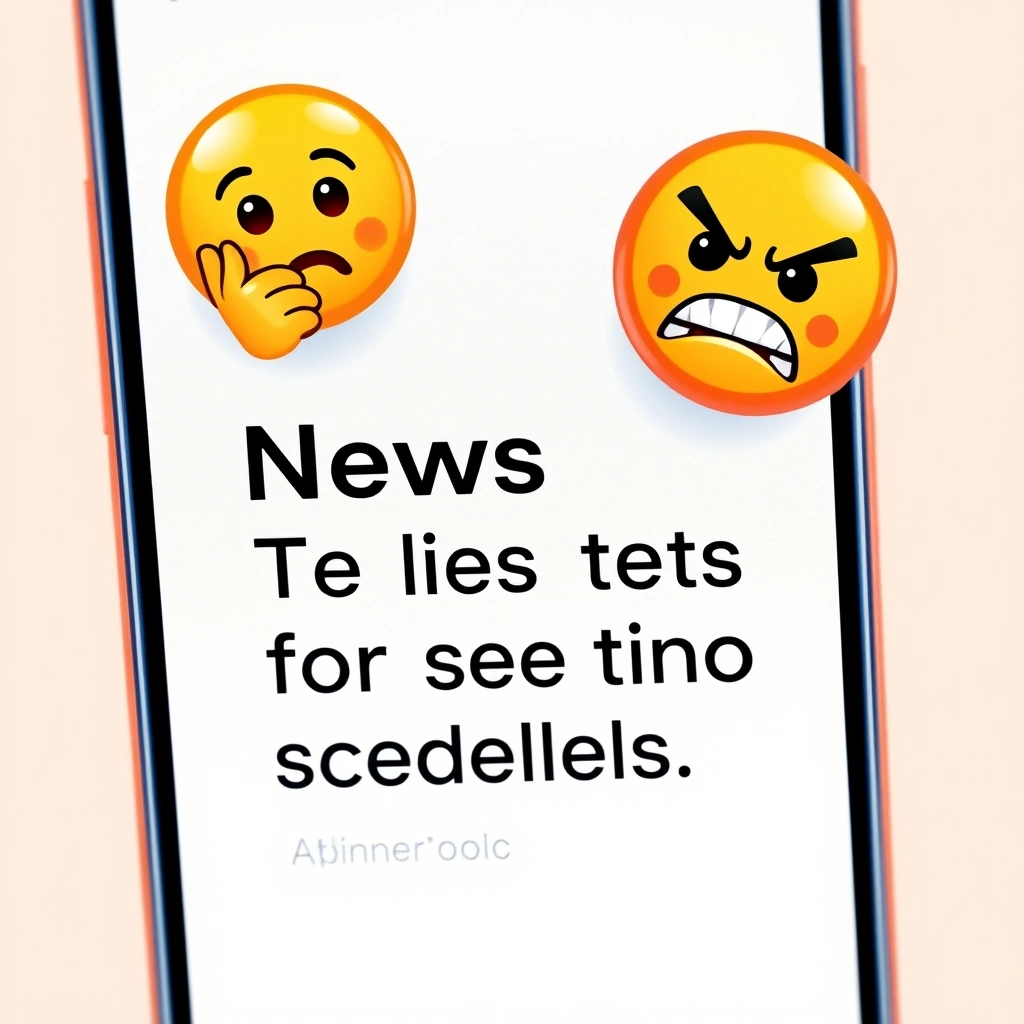
Beyond Decoration: Emojis as Emotional Context
Text alone is notoriously bad at conveying tone. This is the classic problem of digital communication. Emojis solve this by providing instant emotional context. When you add a rolling-on-the-floor-laughing emoji 😂 to a hot take on a silly pop culture debate, you're telling people, "Don't take this too seriously." You're inviting them into the joke.
Conversely, a single red heart ❤️ at the end of a post about a social justice movement does more than express personal feeling. It publicly aligns you with a community and frames your opinion as one of support and empathy, not just intellectual agreement. This subtle signaling is crucial for navigating the complex social landscapes of platforms like Twitter or Instagram. For more on how emojis guide public reaction, you might find this piece on how emojis shape viral reactions really interesting.
The Risk and Reward of the Wrong Frame
Of course, this power comes with risk. The wrong emoji can misframe your message entirely. Using a winking face 😉 on a post about a serious topic can make you seem flippant or dismissive. The skull 💀 emoji, often used to mean "I'm dead from laughter," could be horrifically misinterpreted on a post about an actual tragedy.
This is where cultural and generational understanding of emoji semantics becomes critical. What feels like a harmless shrug emoji 🤷 to one person might read as passive-aggressive to another. On trending topics, where audiences are vast and diverse, the chance for mis-framing is high. The emoji you intended as a playful nudge can be received as a hostile shove, completely altering the perception of your opinion.
Building Bridges in Heated Conversations
Perhaps the most valuable role emojis play is in de-escalation. In the comments section of a heated debate—say, about a controversial film or sports call—a well-placed emoji can be a peace offering. A praying hands emoji 🙏 or a white flag 🏳️ can acknowledge the tension while subtly advocating for calm. It reframes the interaction from a battle to a discussion.
They allow us to express nuance that plain text struggles with. You can disagree with someone while still showing respect, using emojis like 🤝 or 💭. This ability to add a layer of human warmth or humility is a secret weapon for healthier online discourse. Exploring how emojis help navigate tough conversations dives deeper into this idea.
The Final Click Before 'Post'
So, the next time you're about to share your two cents on the latest trending topic, pause for a second on that emoji keyboard. Ask yourself: What frame am I putting around my opinion? Am I aiming for thoughtful, furious, humorous, or supportive? That tiny icon is the first thing people will see and feel. It sets the stage for every word that follows.
In the end, emojis have given us a new, visual vocabulary for our digital voices. They don't replace our opinions, but they powerfully present them. They remind us that even in the most fast-paced, text-heavy corners of the internet, communication is still, fundamentally, human. For more insights into the intersection of emojis and our social media lives, check out our broader collection on emoji and social media.
📒 Related Blogs
More...Emojis: The Secret Ingredient for Chill, Low-Pressure Chats
The Secret to Keeping Your Chats Alive: How Emojis Keep Conversations Flowing
Unleash the Fun: How Emojis Turn Casual Chats into Playful Mini-Games
The Gentle Art of the Quick Reply: How Emojis Soften Brief Messages in Group Chats
The Unintentional Awkwardness: When Emojis Feel Out of Place
Emojis: The Universal Language Breaking Down Communication Barriers