The Unintentional Awkwardness: When Emojis Feel Out of Place

Feb 23,2026
We've all been there. You're having a perfectly normal text conversation. Maybe it's with a coworker about a project, or a friend planning a casual get-together. You type out your message, and your thumb hovers over the send button. It feels a little flat. A little too serious. So, you add an emoji. A smiling face. A thumbs up. Something harmless. You hit send.
And then… silence. Or a reply that feels slightly off. A quiet, shared awkwardness settles in. You didn't mean anything by it, but suddenly, that little icon feels like it's taking up all the space in the conversation.
This is the strange paradox of modern digital talk. Tools designed to add warmth and clarity can, without any ill intent, do the exact opposite. They can create distance, imply a tone that wasn't there, or make a simple exchange feel strangely loaded.
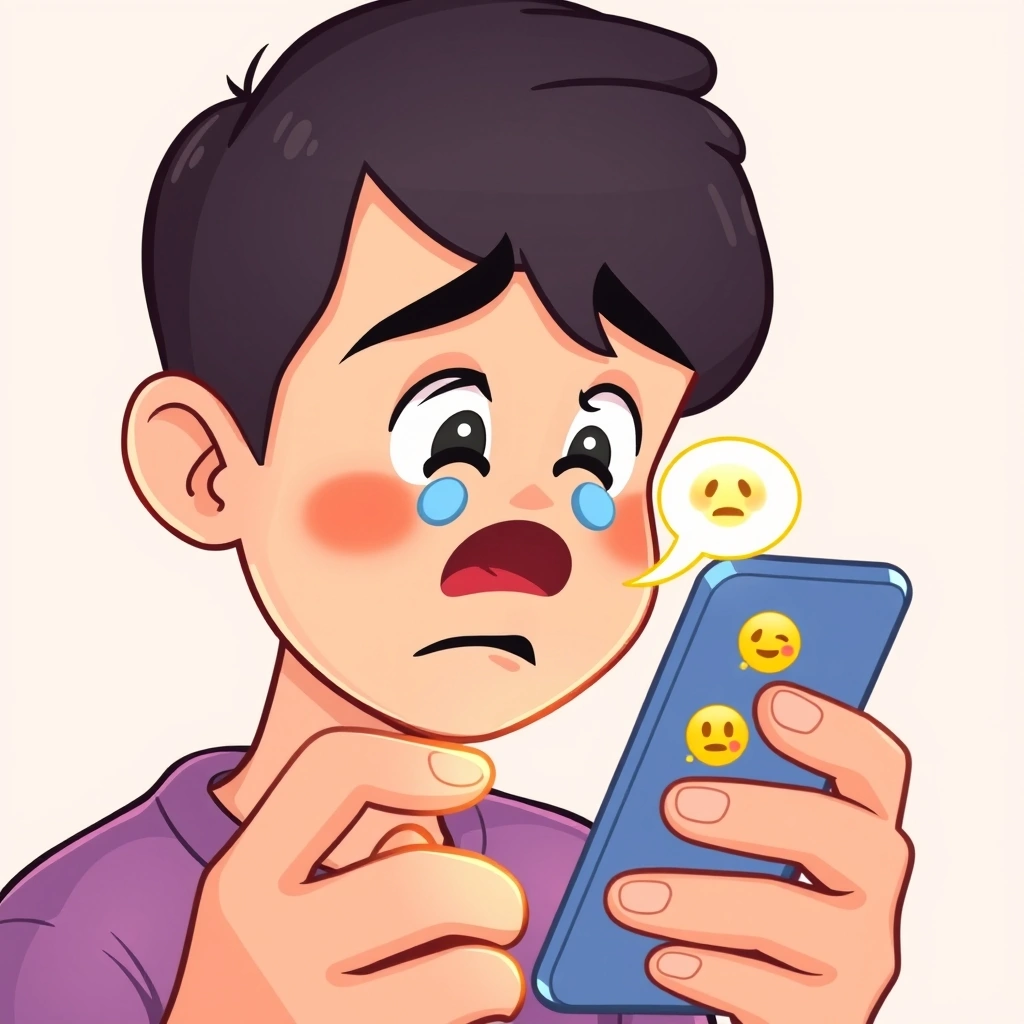
Think about the classic scenario of delivering less-than-great news. A friend texts that their weekend plans fell through. You reply, "Ah, that's a bummer :(" The sad face feels empathetic. But what if you reply to a more serious, vulnerable confession with the same frowny face? It can suddenly feel dismissive, like reducing a complex human emotion to a single, cartoonish glyph. The emoji hasn't changed; the context around it has shifted entirely.
This isn't about "right" or "wrong" emoji use. It's about the gap between our intention and the other person's perception. When we talk face-to-face, our meaning is carried by a symphony of cues: our words, our tone, our facial expression, our posture. In text, we're trying to replicate that symphony with a few keystrokes and a small library of pictures. It's no wonder things sometimes get lost in translation. For more on how emojis can say more than we mean, you might find this exploration of their hidden language really interesting.
The Context Collapse
A huge part of the problem is what sociologists call "context collapse." In the real world, we adjust our behavior subtly for different people and situations. You don't chat with your boss the same way you chat with your sibling. But in a messaging app, all those contexts—work, family, close friends, acquaintances—exist in the same flat space. The emoji that feels playful and ironic with a close friend might read as unprofessional or sarcastic to a colleague.
You might use a crying-laughing emoji to show you found a work email funny in a harmless way. But to the sender, who put careful thought into that email, it might feel like you're laughing at them, not with them. The emoji becomes a cultural misfire.
The Pressure to Perform
Sometimes, the awkwardness comes from the pressure emojis themselves create. In a casual group chat, if one person reacts to a message with a heart or a series of party poppers, there's an unspoken pressure for others to match that energy. Not responding with an emoji can make you seem disengaged or cold. But responding with an emoji you don't really feel is a tiny, daily inauthenticity. It turns a tool for expression into a tool for social performance.
This is especially true in newer relationships or more formal digital spaces. Sending a winky face too soon can be misinterpreted as flirtation. A simple "OK" with a thumbs up can feel passive-aggressive. We end up over-analyzing our own messages, wondering if the pizza slice emoji was too casual for confirming a lunch meeting. It's exhausting.
These moments of friction are a normal part of figuring out our shared digital dialect. They're less about mistakes and more about the growing pains of a language that's evolving in real-time. If you're curious about other common emoji missteps, our category on emoji mistakes and misuse has more relatable stories.
So, what do we do with this awkwardness? The first step is simply acknowledging it. Recognizing that these tiny icons carry weight allows us to be more mindful. Sometimes, the best choice is no emoji at all—letting words stand on their own. Other times, it's about knowing your audience and the shared shorthand you've developed.
The goal isn't to create a rigid rulebook. It's to cultivate a bit of grace, both for ourselves when our emoji lands wrong, and for others when theirs does. That awkward pause after sending the wrong smiley? It's a reminder that behind every screen is a person, trying to connect, sometimes fumbling with the tools we all have. And in that shared, slightly clumsy humanity, there's a connection all its own.
📒 Related Blogs
More...The Hidden Language: How Emojis Subtly Shape Your Digital Reactions
Beyond Words: How Emojis Masterfully Shape Tone in Public Online Conversations
The Silent Power of Emojis: How They Keep Our Chats Light & Lively
Emoji Etiquette: Mastering the Unspoken Rules of Digital Communication
The Emoji Enigma: Why Those Cute Icons Keep Causing Confusion in Your Chats
When the Chat Goes Quiet: How Emojis Ease Our Awkward Digital Silences