The Emoji That Said Too Much: When Your Cute Symbol Sends the Wrong Vibe

Mar 13,2026
It happens in a split second. You're typing a message, you want to add a little warmth, a dash of personality. Your thumb hovers, finds the perfect little symbol, and tap. Sent. Then, the silence. Or worse, the slightly off-kilter reply. That sinking feeling creeps in: did my emoji just say something I didn't mean?
We use emojis to color our words, to soften a request, to share a laugh. But these tiny pictograms aren't universal. Their meaning shifts with context, with the person receiving them, and with the invisible cultural baggage we all carry. What feels like a friendly nudge to you might read as passive-aggressive to someone else. A symbol of celebration for one generation might be a cringe-worthy relic for another.
It's the modern-day equivalent of a misunderstood tone of voice, but permanently etched into your chat history.
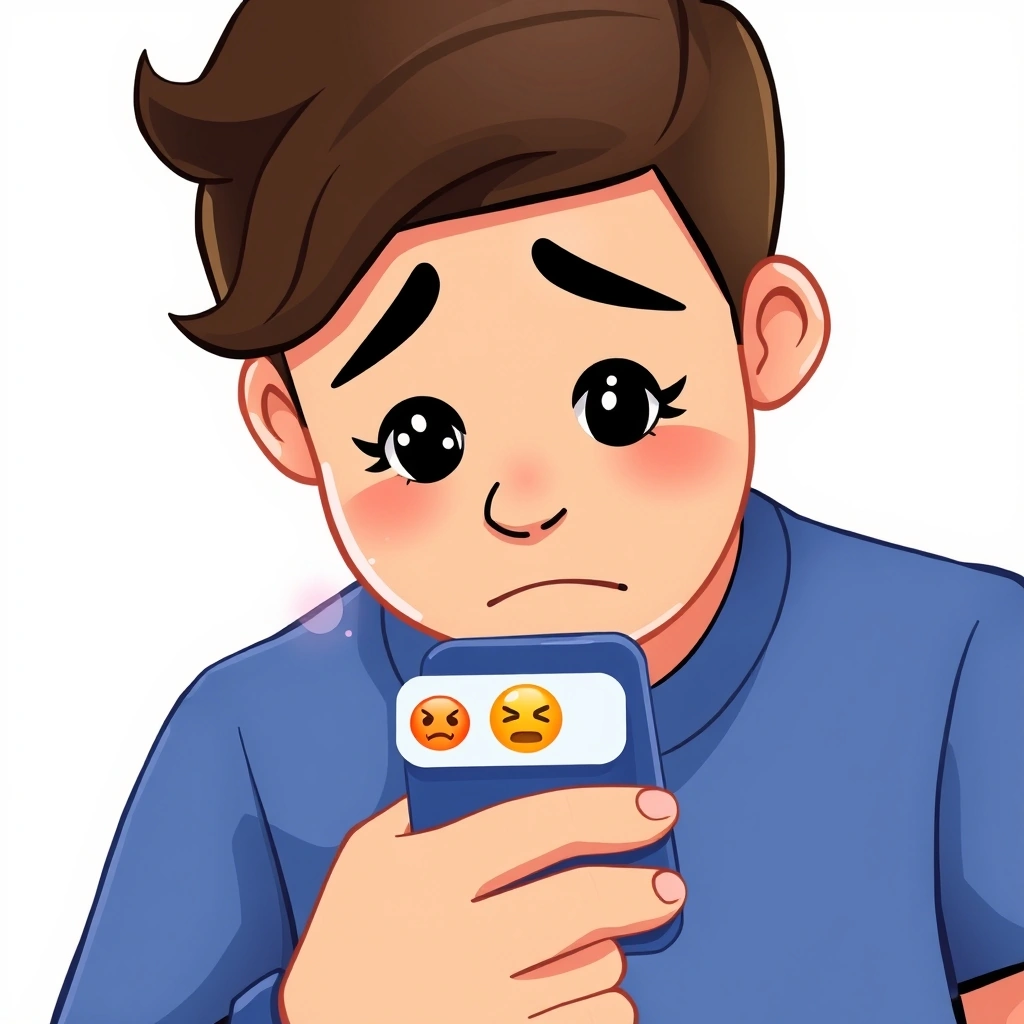
The Gap Between Intent and Impact
Most of the time, our emoji choices are instinctual. We're not consulting a dictionary; we're trying to convey a feeling. The problem is, the receiver is doing their own instinctual interpretation, filtered through their unique lens. Maybe your boss sees the “folded hands” emoji as a sincere thank you, while your friend reads it as sarcastic prayer. Perhaps the “grinning face with smiling eyes” you use to seem approachable comes across as unnervingly intense to a new acquaintance.
This gap is where the awkwardness blooms. It's rarely about malice; it's about the subtle, unspoken languages we all speak slightly differently. A great example of this everyday confusion is when a simple smiley face feels all wrong. That piece digs into how the most basic emojis can sometimes cause the biggest misunderstandings.
The stakes feel higher in professional settings. A misplaced “winky face” in a client email or a celebratory “party popper” in a somber project update can create a moment of pure professional dread. Navigating the line between friendly and informal is tricky enough with words alone; emojis add another layer of potential peril. For more on navigating these digital minefields, the challenges of professional messages gone awry are all too real.
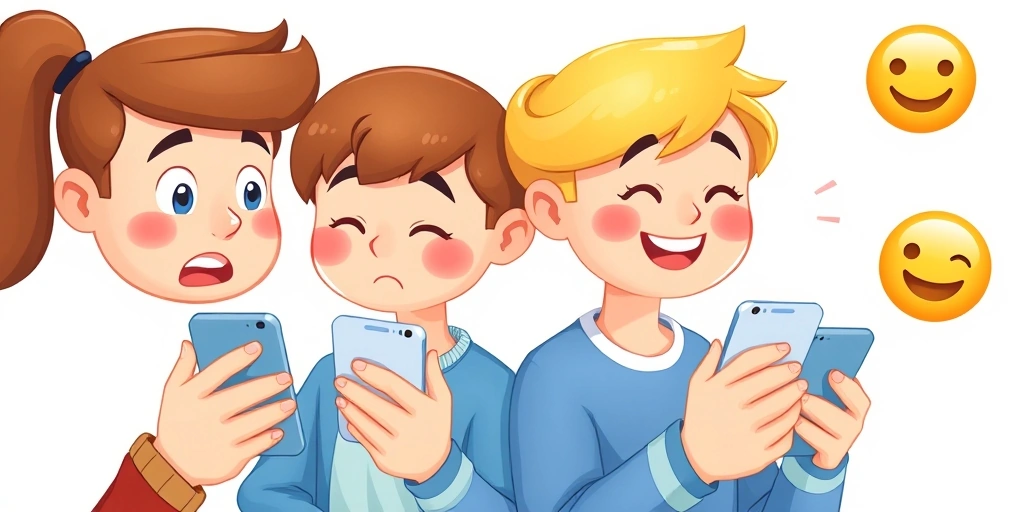
It's Not You, It's the Context
We often blame ourselves (“Ugh, why did I send that?!”), but so much of an emoji's meaning is dictated by the conversation surrounding it. The same “fire” emoji can mean “this is awesome” on a friend's vacation photo, but “this is a disaster” in a work chat about a server outage. The “skull” emoji isn't about mortality for many; it's about laughing uncontrollably. If the other person isn't plugged into that specific linguistic code, your message is lost in translation.
Age, culture, and even platform can change everything. An emoji that's harmless and fun on TikTok might carry an entirely different subtext in a Facebook group for new parents. The eggplant and peach emojis are the classic examples, but the list is long and ever-evolving.
Moving Forward with a Little More Grace
So, do we abandon emojis altogether? Absolutely not. They're a brilliant, rich part of how we connect. The goal isn't perfection or paranoia; it's awareness.
It helps to think of them like spices. A little can enhance the flavor of your message. Too much, or the wrong kind for the dish, and you've ruined the meal. When in doubt with someone new or in a formal context, simplicity is key. A simple smiley or thumbs-up is often the safest bet. With close friends, you've likely built a shared shorthand where those riskier emojis are understood and cherished.
And if you do cause a flicker of confusion? A quick, light-hearted follow-up (“Just realized that emoji might look weird! Totally meant it as a laugh”) can clear the air instantly. It shows you're paying attention to the other person's experience, not just your own intent.
At the end of the day, these missteps are a reminder that we're all human, trying to bridge the gap between our screens with little bursts of color and emotion. They highlight how much we rely on shared understanding, and how a single symbol can be a tiny Rorschach test for our relationships. The journey through emoji mistakes and misuse is one every digital citizen takes. Maybe the real takeaway is to offer each other—and ourselves—a bit of grace. After all, we're all just out here, trying to make our hearts visible in a text box, one imperfect, potentially-misunderstood pictogram at a time.
📒 Related Blogs
More...The Unspoken Magic of Emojis: How Tiny Icons Make Our Digital Chats Feel Lighter
The Little Jolt of Joy: How Emojis Capture Everyday Excitement
Stop Misunderstandings: How Emojis Make Your Team Chats Crystal Clear & Boost Connection
The Tiny Tone-Setters: How Emojis Shape Public Conversations Online
Level Up Your Chats: How Emojis Turn Casual Conversations Into a Fun Game!
Lost in Translation? The Surprising Ways Emojis Stir Up Mixed Reactions Online