The Gentle Art of Coordination: How Emojis Soften Work Messages

Mar 02,2026
Let's be honest, coordinating tasks over chat can feel a bit… robotic. We fire off messages like "Please review the report by EOD" or "Can you send the updated figures?" They get the job done, but they can also land with a thud, feeling more like a command than a conversation. This is where the humble emoji steps in, not as a distraction, but as a powerful tool for human connection.
Think of an emoji as the digital equivalent of a smile, a nod, or a thumbs-up in a face-to-face meeting. When you're coordinating tasks, the primary goal is clarity and efficiency. But a secondary, equally important goal is maintaining a positive, collaborative team dynamic. A message without any tonal cues can be misinterpreted, leading to unnecessary tension. Adding a simple 🙂 or a 👍 can instantly signal friendly intent.
Why Tone Matters in Task-Based Messages
When we're heads-down in work, our messages often become shorthand. We're focused on the 'what' and the 'when,' forgetting the 'how.' The 'how' is the tone. A blunt message, even with a 'please,' can make the recipient feel like a cog in a machine. It creates distance. Emojis act as a secret weapon, bridging that gap by adding a layer of emotional context that plain text lacks.
For example, compare "The client needs revisions ASAP." to "The client needs revisions ASAP. 😅 Let me know if you need the brief again!" The first is a pressure-filled statement. The second acknowledges the shared challenge (the 😅 emoji) and offers support. The task is the same, but the experience of receiving it is completely different.
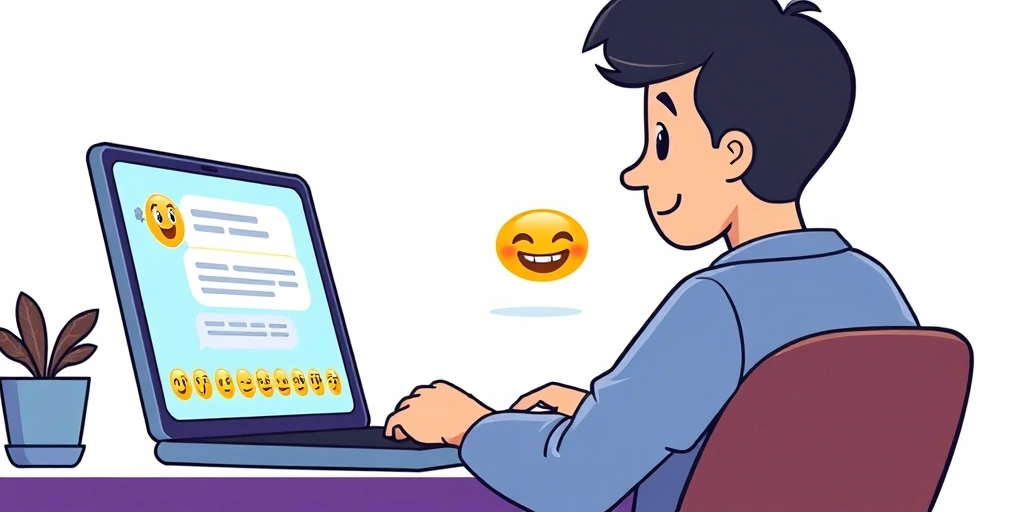
This isn't about being unprofessional or frivolous. It's about strategic empathy. In a remote or hybrid setting, where we miss the nuance of body language and vocal inflection, emojis become essential punctuation. They prevent the 'tone police' conversations that start with "I wasn't mad, my message just came off that way!"
Choosing the Right Emoji for the Job
Not all emojis are created equal in a professional context. The key is to use emojis that reinforce your message's intent without introducing ambiguity. Here are a few safe and effective categories for task coordination:
The Acknowledgers: The thumbs-up (👍), the check mark (✅), and the 'got it' face (👌) are perfect for confirming you've seen a request or completed a task. They're efficient and positive.
The Appreciators: The folded hands (🙏), the smiling face with smiling eyes (😊), or the clapping hands (👏) are excellent for saying thank you or showing gratitude for a teammate's quick turnaround. A simple "Thanks for the speedy edit! 😊" goes a long way.
The Collaborators: The lightbulb (💡), the raising hand (🙋), and the rocket (🚀) can signal brainstorming, volunteering, or excitement about a project's momentum. "Great idea on the dashboard, let's run with that! 🚀"
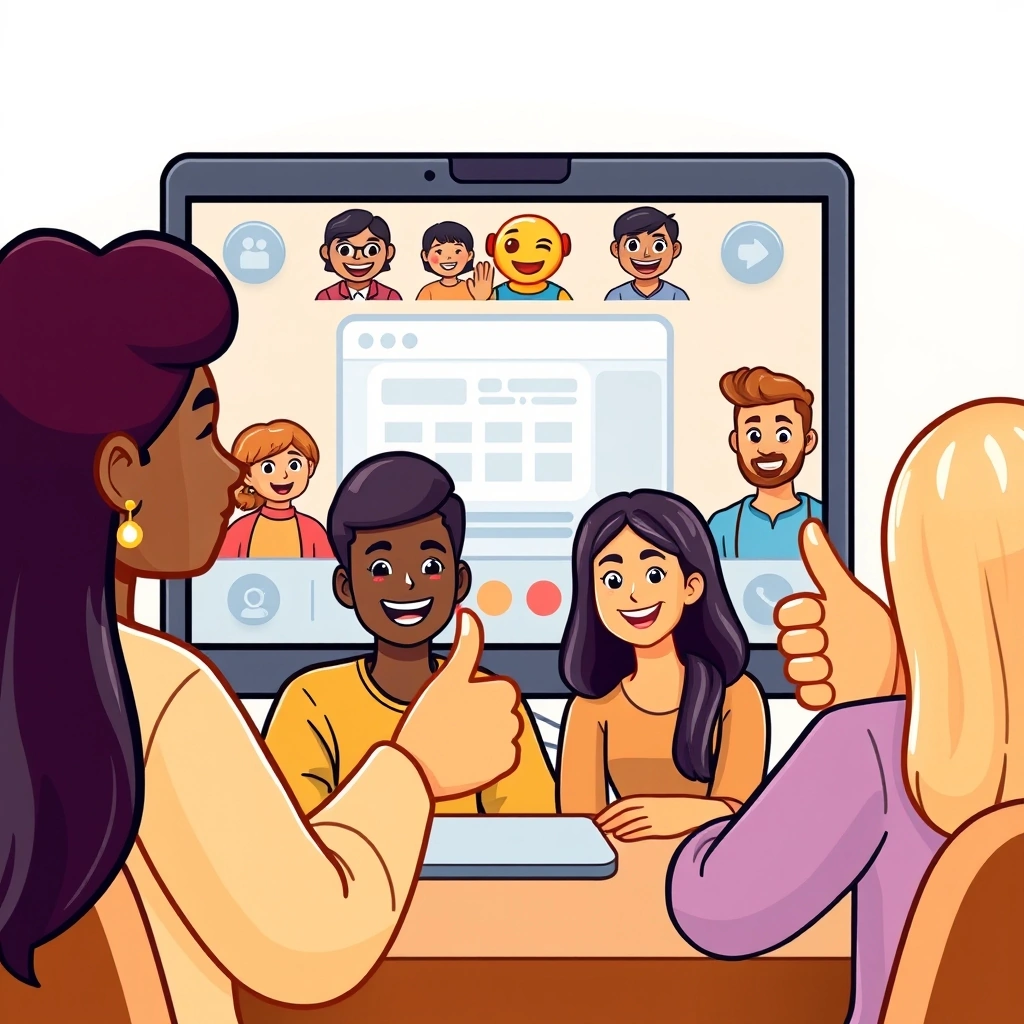
Avoid emojis that are overly casual (like 😜 or 🤪 for serious deadlines), ambiguous, or could be perceived as sarcastic (like the upside-down smiley 🙃) unless your team culture is very established. When in doubt, simpler is better. A smiley face is almost universally understood as a gesture of goodwill.
Building a Warmer, More Effective Team Rhythm
Integrating emojis into your task coordination isn't just about individual messages; it's about cultivating a team culture. It signals that while work is important, the people doing the work are valued. It reduces the cognitive load of constantly deciphering tone, freeing up mental energy for the actual tasks at hand.
This practice is a cornerstone of modern professional digital communication. It shows emotional intelligence. You're demonstrating that you're aware of how your words land in someone else's inbox. Over time, this builds trust and psychological safety. Team members feel more comfortable asking questions, flagging issues, and sharing ideas because the communication channel itself feels more human and less judgmental.
Remember the last time you received a genuinely warm and clear request from a colleague? It probably made you more inclined to help quickly and thoroughly. Emojis are a low-effort, high-impact way to be that colleague. They transform a transactional exchange into a collaborative moment.
So next time you're about to send a task request, take a second. Could a quick 👍 soften the ask? Could a 😊 turn a routine follow-up into a pleasant interaction? These tiny gestures are what make digital workspaces feel less like a series of transactions and more like a team working together. The work gets done, and it feels just a little bit better for everyone involved.
📒 Related Blogs
More...The Unspoken Language: How Emojis Set the Tone in Our Online Conversations
When a Smiley Face Feels All Wrong: Navigating Emoji Awkwardness
The Quiet Nod: How Emojis Acknowledge Messages in Our Daily Chats
Emoji Magic: How a Single Icon Changes Everything in Online Conversations
How Emojis Turn Your Group Chat into a Playful Party
The Silent Storytellers: How Emoji Sequences Shape Our Digital Mood