The Hidden Power of Emoji Pairs: How Two Little Icons Transform Your Digital Conversations

Mar 06,2026
Think about the last text you sent. Chances are, it wasn't just words. Maybe you tacked on a laughing face, or a heart, or a thinking emoji. That single emoji did a lot of work, right? It set a tone. But what happens when you don't stop at one? What happens when you send two?
That's where things get really interesting. A single emoji is a mood. A pair of emojis is a story. It's the difference between saying "I'm fine" and "I'm fine, but it's complicated." It's the nuance that turns a flat statement into a layered, emotional message.
Let's say your friend texts you a wild story. Replying with just the crying-laughing emoji 😂 says, "That's hilarious." But what if you send 😂🤦♀️? Suddenly, it's not just funny—it's hilarious and you're facepalming at the absurdity of it. You've added a second layer of reaction. You've joined in on the shared experience of disbelief. The pair creates a camaraderie that one emoji alone might not.
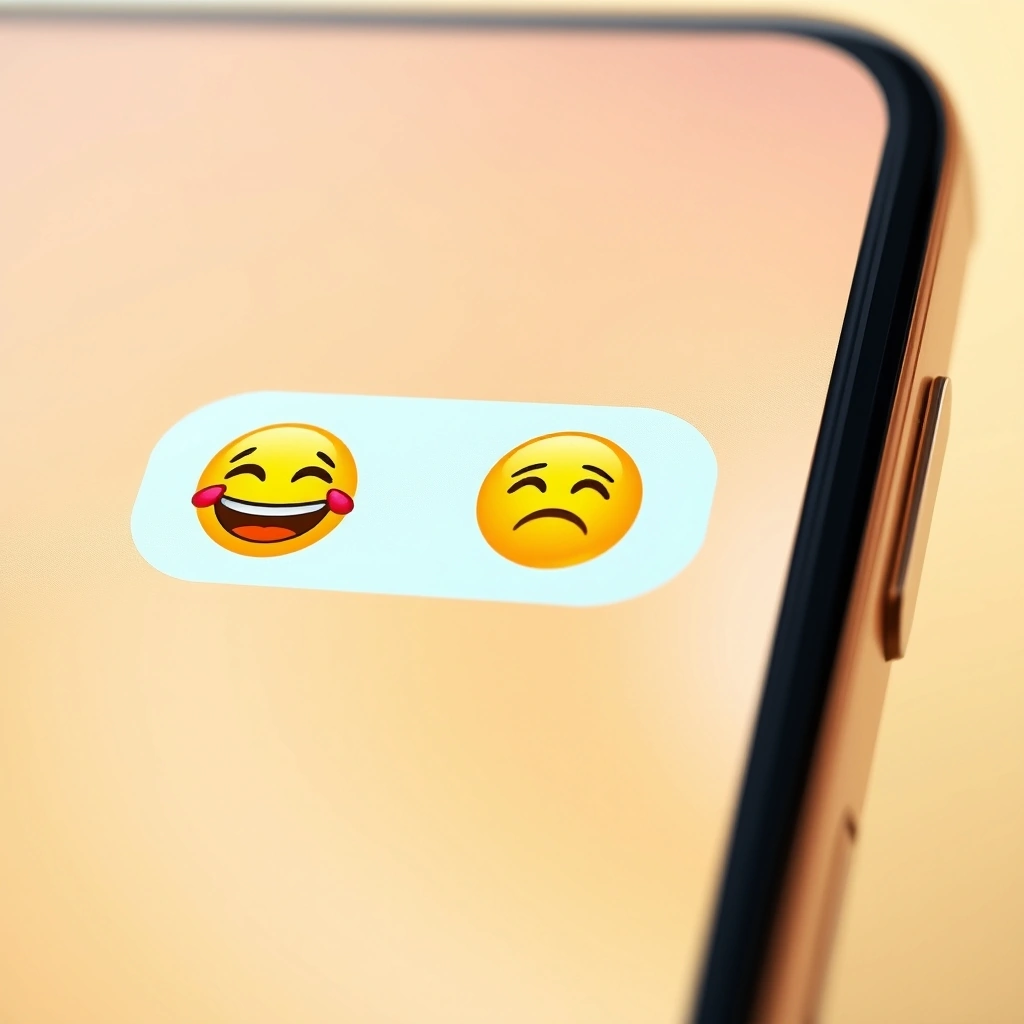
This isn't just about being cute or extra. It's about filling in the massive gaps left by text-based communication. We can't hear tone of voice. We can't see a shrug or a sly smile. Emoji pairs step into that void. They act as emotional punctuation, guiding the reader toward the exact feeling you intend.
Consider the classic and slightly anxious pair: 👍😅. "Okay, sure!" becomes "Okay, sure... I'm a little nervous about this, but I'm going along with it." The thumbs-up conveys agreement, but the nervous sweat adds a whole subtext of reluctant compliance or mild stress. It's honest. It's human. It prevents the dreaded "Are you mad at me?" follow-up text because the emotion is baked right in.
Pairs can also soften or intensify a message. "Great job!" feels different than "Great job! 👏🎉". The clap and party popper turn praise into a celebration. Conversely, a message that could feel sarcastic or harsh on its own can be instantly softened with a gentle pair. "You forgot again? 🙃❤️" uses the upside-down smiley (often for sarcasm or mild frustration) but immediately balances it with love, turning potential conflict into a playful, affectionate nudge.
The combinations are a language we're all learning together, in real-time. There's no official dictionary for 😭🔥 ("I'm crying, this is so amazing") or 🤔💡 ("I'm thinking... and I've just had an idea!"). We understand them through context and collective use. They're a form of digital slang, evolving faster than any formal language ever could.
This shared understanding is crucial. When you use a pair, you're making an assumption that the person on the other end speaks your same visual-emotional dialect. It creates a sense of in-group belonging. If you text your sibling "Mom's on a cleaning spree again 😬🏃♀️," and they instantly understand the "panic and run" vibe, that's a tiny moment of connection built on your private, shared history of using these symbols.
Of course, this power comes with a tiny bit of risk. Misinterpretation is always possible, especially across different ages or cultures. But that's true of all language. The beauty of emoji pairs is their attempt to be more precise, not less. They are our best tool yet for injecting the warmth, irony, hesitation, and joy that our faces and voices convey naturally, into the cold, flat medium of typed text.
It makes you wonder what we were even doing before we had this toolkit. How many misunderstandings sprang from a simple "okay" with no visual cue? How much emotional resonance was lost? The rise of the emoji pair suggests we were hungry for a better way to connect, and we built it ourselves, one icon at a time. If you're curious about diving deeper into this secret language, exploring more about how emoji pairs change everything you say is a great place to start.
So next time you're about to hit send, pause for a second. Could a second emoji tell the fuller truth of what you're feeling? That combination might just be the most honest part of your message.
It's fascinating to think that the most profound shifts in how we talk to each other online aren't coming from new apps or features, but from these tiny, colorful pictures we string together. We're not just decorating our words anymore; we're building a new layer of meaning right on top of them. And we're all doing it, one text at a time.
📒 Related Blogs
More...The Unspoken Language of Excitement: How Emojis Say What We Can't
The Secret Power of Emojis: Why Your Posts Get More Likes, Shares, and Comments
Decoding New Emojis: A Guide to the Latest Additions & Their Meanings
How Emojis Quietly Change Meaning With Us
The Neutral Nod: How Emojis Keep Remote Work Conversations Professional
The Quiet Comfort of Emojis: How a Tiny Icon Eases Our Awkward Pauses