The Magic of Emojis: How a Simple 😂 or 😅 Makes Everyday Chats Feel Lighter

Feb 11,2026
You know that feeling. You're typing out a message, and something about it feels a little… stiff. Maybe it's a quick check-in, a silly observation, or a reply that could be read the wrong way. Your thumb hovers over the send button, and then you see it—the perfect emoji. You tap it, and suddenly, the whole tone of the message shifts. It’s no longer just text on a screen; it’s a conversation with a wink, a nudge, a shared smile.
This is the quiet, everyday magic of emojis in our casual chats. They don't just decorate our words; they fundamentally change the atmosphere of our digital conversations, making them feel less serious, less formal, and infinitely more human.
From Transactional to Relational
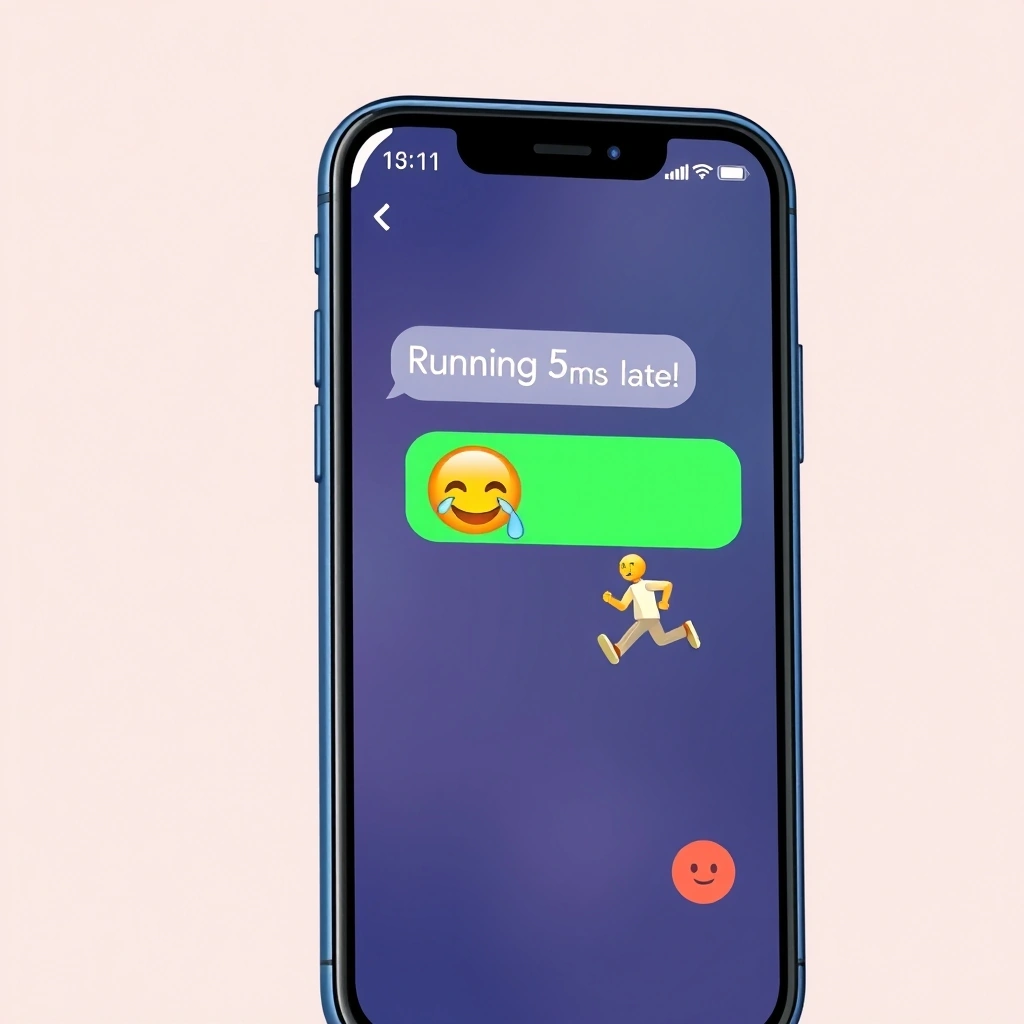
Think about the most basic messages we send. "Running 5 mins late." On its own, it's a pure data transfer. It’s functional, but it can also feel a bit cold or even slightly stressful for the recipient. Now, add a 🏃♀️💨 or a 😅 to the end. Instantly, the message transforms. It’s no longer just a statement of fact; it’s an admission wrapped in a little self-deprecating humor. It says, "I'm late, I'm hustling, and I'm a bit frazzled, but we're in this together." The emoji injects your personality and emotional state into the exchange, turning a transactional update into a tiny moment of relational connection.
This is especially powerful in a world where tone is so easily lost in text. Sarcasm, playfulness, and gentle teasing—the spices of casual friendship—are notoriously hard to convey with words alone. A dry comment can be misinterpreted as rude. A playful jab can land as an insult. But a well-placed 😜 or 🤪 acts as a universal signal for "just kidding!" It builds a safety net under our words, allowing for the kind of loose, informal banter that makes friendships feel real, even through a screen.
The Digital Shoulder Shrug and Eye Roll
Emojis have become our shorthand for body language and vocal inflection. The difference between "okay" and "okay 🙃" is monumental. The first is neutral, possibly even passive-aggressive. The second is a full performance—it’s the digital equivalent of saying "sure, fine" with an exaggerated eye roll and a smirk, acknowledging the slight absurdity of the situation. It’s a way to express minor annoyance or playful resignation without escalating anything.
Similarly, the humble 😬 does the work of an entire awkward grimace. It can soften bad news, express shared discomfort, or acknowledge a social faux pas. It’s a way of saying, "Yikes, I know this is awkward," without having to spell it out. These tiny icons let us navigate the subtle social cues of conversation that pure text strips away, keeping our casual interactions feeling light and understood.
This playful layer is what turns a simple chat into something more engaging. It’s the reason we send strings of food emojis when planning dinner, creating a mini visual menu. It’s why we react to a friend's story with a cascade of 😂🔥🙌, building a collective feeling of hype. This shared visual language creates a sense of co-creation and play. We’re not just exchanging information; we’re building a mood, a vibe, together. If you love this idea of turning chats into playful collaborations, you might enjoy exploring how emojis can become the basis for playful mini-games with friends.
Lowering the Stakes, One Icon at a Time
Perhaps the greatest gift emojis give us in everyday messaging is the lowering of stakes. In a serious email or a formal document, every word is weighed. But in a casual text thread? The presence of a 😉 or a 🥴 implicitly signals that this space is for fun, for connection, not for high-stakes debate. It gives us permission to be a little sillier, a little less polished, and a lot more ourselves.
This creates a safer environment for sharing the small, imperfect moments of life—the burnt toast (🍞🔥), the minor victories (✅🎉), the "you won't believe this" stories (🤦♀️). By making the medium itself feel less serious, emojis encourage us to share content that is less serious, too. They foster vulnerability and authenticity in small, manageable doses. For more thoughts on why this lighter tone is so valuable in our digital lives, this article digs deeper into why that's a good thing.
So, the next time you’re about to send a plain text message, pause for a second. Could a single emoji shift the sunbeam in the room? Could a 😊 turn a simple "thank you" into a warm smile? Could a 🤷♂️ turn a moment of uncertainty into a shared joke? In the grand scheme, these are small gestures. But in the tapestry of our daily digital lives, these tiny, colorful icons are the threads that weave warmth, understanding, and a much-needed dose of not-taking-ourselves-too-seriously into every conversation. They remind us that behind every screen is a person, just trying to connect, one goofy face at a time.
Discover more ways to bring this playful spirit into your messages over in our Emoji Fun & Games section.
📒 Related Blogs
More...The Quiet Comfort of Emojis in Everyday Chats
The Pulse of the Digital Age: How Emojis Mirror Our Collective Moods Online
How a Simple Emoji Can Save Your Next Project Update
The Unseen Clarity: How Emojis Save Our Private Conversations
Emoji Power: How They Erase Digital Doubt & Build Stronger Bonds Online
The Unsung Heroes of Group Chats: How Emojis Keep the Peace in Daily Messages