The Secret Language of Emojis: How a Simple 😂 or 😬 Changes Everything Online

Feb 13,2026
You know that moment. You type out a comment, hit ‘post,’ and then… a sinking feeling. Did it sound too harsh? Too sarcastic? Too flat? In the text-only world of online forums, group chats, and social media threads, our tone of voice gets completely lost. That’s where our tiny, colorful friends come in. Emojis aren’t just digital stickers; they’re essential punctuation for human emotion in public conversations.
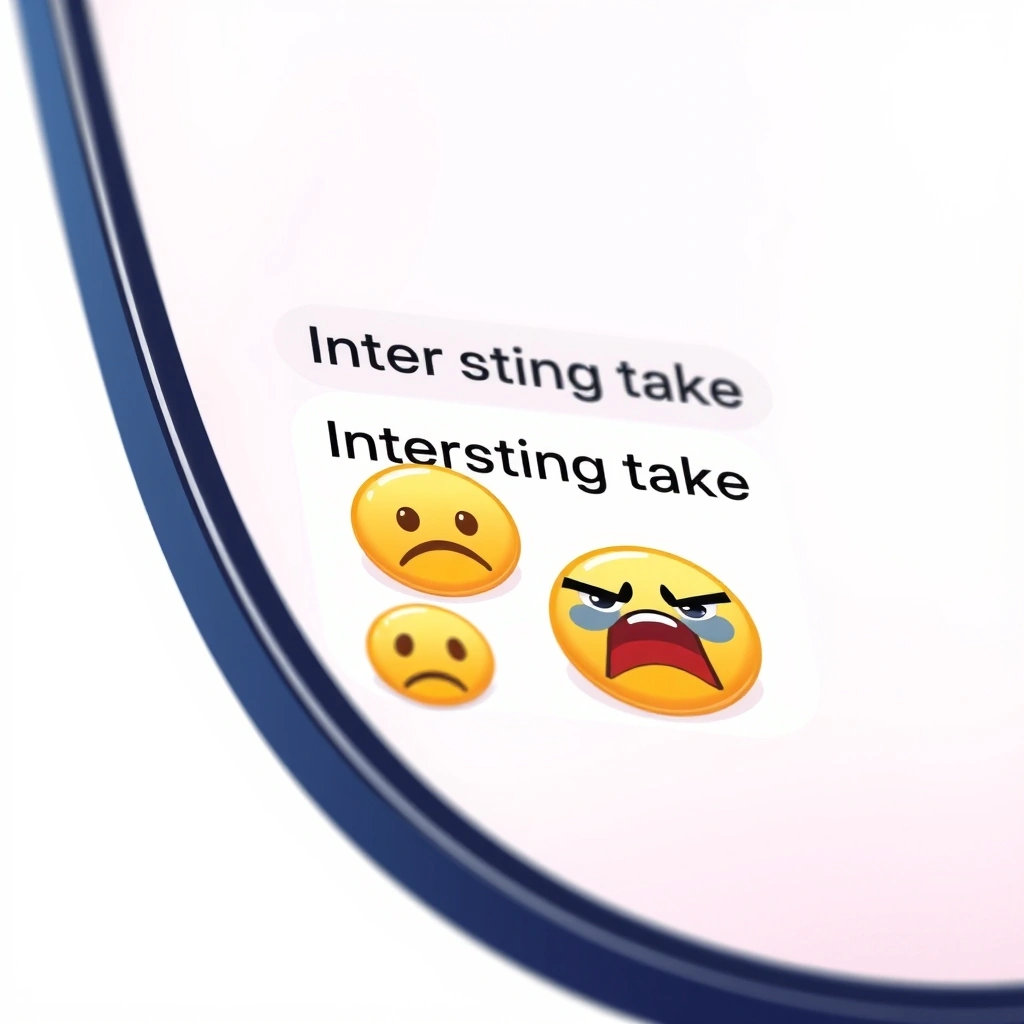
Think about the last time you saw a debate in a comment section. Someone posts a strong opinion. The first reply is just: “Interesting take.” What does that mean? Is it genuine curiosity? Skeptical dismissal? Sarcasm so thick you could cut it with a knife? Without a visual or vocal cue, we’re left guessing, and our brains often jump to the worst interpretation.
Now, imagine that same reply with a single emoji: “Interesting take. 🤔” Suddenly, it’s thoughtful. “Interesting take. 😬” Now it’s empathetic cringe. “Interesting take. 🙄” Okay, that’s definitely sarcasm. The words didn’t change, but the entire meaning—and likely the course of the conversation—did.
More Than Decoration: Emojis as Social Glue
In public online spaces, from a subreddit to a Facebook group group, we’re constantly negotiating social bonds with strangers. Emojis serve as a low-stakes, high-reward form of social glue. A well-placed 😊 or 👍 at the end of a post doesn’t just make it look friendly; it actively signals “I come in peace” or “I support this.” It reduces the perceived threat of your text.
This is especially crucial when offering correction or critique. “Actually, the source says it’s this way.” feels blunt. “Actually, the source says it’s this way! 🙂” feels collaborative. The smile softens the correction, framing it as helpful rather than confrontational. It’s the digital equivalent of a gentle tone and open body language.
The Amplifier and the Softener
Emojis have two primary tone functions: amplification and softening.
Amplification is for agreement and excitement. A comment like “This is amazing!” is fine. “This is amazing!!! 🎉🔥” shares the celebratory *feeling*. It invites others into your emotional response, creating a sense of shared joy that can make a post go viral. This is how inside jokes and community reactions are born—through shared symbolic language. You can see this viral heartbeat in action on platforms like Twitter and TikTok every day.
Softening is for delicate situations. Sarcasm, teasing, and self-deprecation are minefields online. “Wow, great job breaking that…” is hostile. “Wow, great job breaking that… 😅” indicates a lighthearted tease. The 😅 emoji acts as a safety valve, releasing the tension and signaling “I’m joking.” It prevents the other person from having to ask, “Wait, are you mad at me?”
Reading the Room with Pixels
Using emojis effectively means learning to “read the room,” even when the room is a digital thread. Every community develops its own nuanced emoji dialect. A 💀 in one group might mean something is hilariously funny, while in another context it could be alarming. A simple ❤️ might be a common sign of support in a hobby group, but feel too intimate in a formal professional forum.
The most skilled digital communicators are those who match the emoji “temperature” of the space they’re in. They observe first. They see how others are using 😂 vs. 🥲, or 👀 vs. 🤨. Then, they mirror that language to build rapport. It’s a subtle way of saying, “I understand the norms here. I’m one of you.”
Of course, overuse can backfire. A paragraph peppered with emojis after every word can seem chaotic or immature. The key is intentionality. Use them like spice—to enhance the flavor of your message, not overwhelm it. A single, perfectly chosen emoji at the end of a paragraph often carries more weight than a dozen scattered throughout.
The Bottom Line: Clarity and Connection
At the end of the day, we’re all just humans trying to connect through a very flawed medium. Text strips away our humanity. Emojis are our attempt to sew it back in, stitch by colorful stitch. They help us navigate the complex social landscape of public online conversation by providing those critical, non-verbal cues we rely on in person.
So next time you’re about to post in a community thread or reply to a comment, pause for a second. Read your text out loud in a flat robot voice. Then ask yourself: What’s my real tone? Is there a tiny picture that could say it better? That little 😉, 🤗, or even 🫠 might be the difference between starting a fight and making a friend.
📒 Related Blogs
More...How Emojis Became Our Shared Internet Diary
How Your Favorite Emojis Evolve with the Internet's Latest Trends
Beyond 'Okay': What the Thumbs Up Emoji Means Globally
Double the Impact: Unlocking the Power of Emoji Pairs in Your Digital Chats
The Secret Language of Two: How Emoji Pairs Redefine Our Quickest Digital Replies
The Unspoken Magic of Emojis: How Tiny Icons Make Our Digital Chats Feel Lighter