The Secret to Feeling Heard: How Emojis Complete Your Quick Replies

Feb 25,2026
We've all been there. You're juggling a dozen conversations, work is piling up, and a friend sends a funny meme. You want to acknowledge it, to let them know you saw it and it made you smile, but you don't have time for a novel. So you type the quickest thing possible: "lol" or "haha" or "nice." You hit send. And then... you feel it. A tiny pang. That reply felt a bit hollow, didn't it? Like it was missing the genuine chuckle you actually felt.
This is the daily reality of our digital conversations. We communicate at lightning speed, often with just one or two words. "Okay." "Thanks." "Sure." "On my way." These are the building blocks of our informal chats. They're efficient. They get the job done. But on their own, they can also feel startlingly incomplete. They're like a sentence without punctuation—technically functional, but emotionally ambiguous.
The Emotional Void in a Quick Text
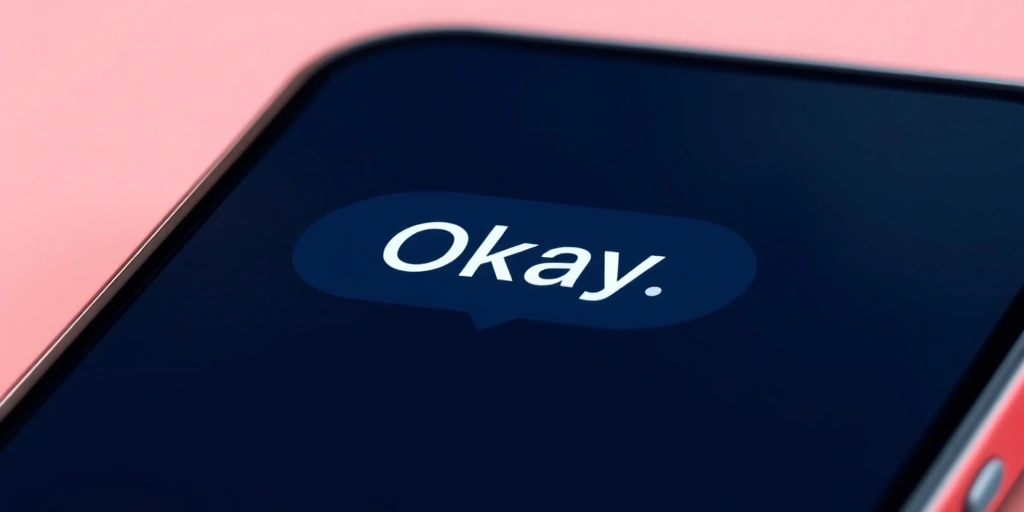
Why does a bare "okay" sometimes feel so cold? It's because tone and intention are stripped away. When you say "okay" in person, your face, your voice, your posture all fill in the blanks. It can sound resigned, enthusiastic, sarcastic, or agreeable. In text, it's just two syllables floating in a vacuum. The person on the other end is left to guess. Are you annoyed? Are you genuinely fine with it? The uncertainty creates a subtle friction, a small emotional gap in the connection.
This is where our tiny, colorful friends come in. An emoji isn't just a cute picture; it's a packet of tone. It's the digital equivalent of a facial expression or an inflection in your voice. Adding a simple 🙂 to that "okay" transforms it from a potentially passive-aggressive acknowledgment into a warm, agreeable "Okay, sounds good!" It completes the thought. It closes the loop.
Think about the last time you got a "Thanks!" versus a "Thanks! 😊" The first one is polite. The second one feels grateful and personal. The emoji does the heavy lifting of conveying the sender's genuine appreciation, making the quick reply feel heartfelt and complete. It’s a small act that shows you’re not just processing information, you’re engaging with the person.
Practical Magic: Completing the Thought
Let's get practical. How do you use emojis to make your quick replies feel whole? The key is to think of the emoji as the emotional punctuation for your short message.
- Affirmation: "Got it" + 👍 = "I've received and understood the information."
- Agreement: "Sure" + 😄 = "I'm happily on board with that plan."
- Apology: "Sorry, running late!" + 😅 = "I'm frazzled but truly regretful, not flippant."
- Excitement: "Can't wait!" + 🎉 = "I am genuinely thrilled about this."
The emoji resolves the ambiguity. It tells the other person exactly *how* to read your two-word text. This is especially crucial in our fast-paced, often awkward digital chats, where a misunderstanding can sprout from the smallest seed.
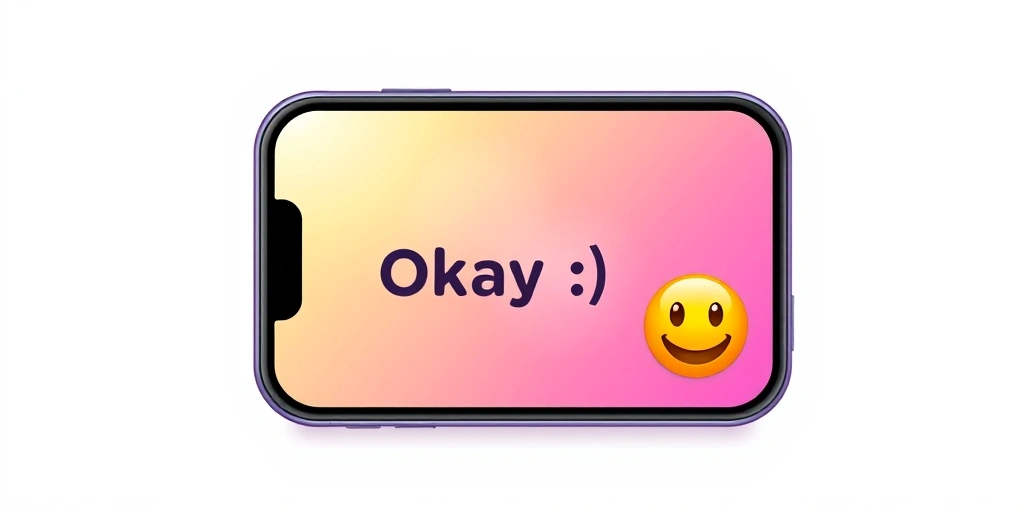
It's not about being overly cutesy or writing entire sentences in emoji. It's about strategic, single-icon deployment to inject the humanity that typed words lack. A heart (❤️) can soften a blunt statement. A thinking face (🤔) can show you're considering a request, not ignoring it. A crying-laughing emoji (😂) can confirm that yes, you found their joke absolutely hilarious, even if all you typed was "omg."
When a Quick Reply is All You Have
We're not always in a position to craft a thoughtful paragraph. Sometimes you're in line at the store, between meetings, or just mentally drained. In those moments, a quick reply is a gift—it shows you're making an effort to respond. An emoji is the bow on top of that gift. It's the extra second you take to ensure your haste isn't misinterpreted as coldness or indifference.
This practice builds warmer, more resilient digital relationships. It prevents the slow build-up of minor misunderstandings. It makes the other person feel seen and felt, even in a three-second exchange. For more insights into building this kind of connection, explore our other guides on using emojis effectively.
So next time you go to send that "k," "yep," or "thanks," pause for just a half-second. Ask yourself: What's the tone here? What's the feeling I want to convey? Then, choose your punctuation. A thumbs up, a smile, a heart, a party popper. That one tiny icon is the difference between a transaction and a conversation. It's the secret to making your quick replies feel not just fast, but complete, kind, and unmistakably human.
📒 Related Blogs
More...The Unspoken Magic of Emoji Pairs: How Two Little Icons Say So Much More
Emoji Evolution: A Fascinating History of Digital Feelings & Communication
The Unintentional Awkwardness: When Emojis Feel Out of Place
The Global Language of Emojis: Decoding Cultural Meanings and Interpretations
Beyond "K": How Emojis Make Quick Online Replies Warm and Understood
More Than Just Faces: How Emojis Reveal Our Generational Digital Fingerprint