The Unseen Tempo: How Emojis Control the Flow of Fast-Paced Chats

Feb 18,2026
Think about the last time you were in a fast-moving group chat. Messages are flying, jokes are piling up, and the notifications are a steady stream. Then, someone drops a single emoji. Maybe it's a thoughtful 🤔, a celebratory 🎉, or a simple 👍. Suddenly, the entire rhythm of the conversation shifts. It's not magic; it's social signaling in its purest, most efficient form.
Emojis, in these high-speed digital environments, act less like words and more like traffic signals or musical notations. They don't just add color; they dictate tempo, signal turns, and create pauses where none existed. This is especially true in spaces where text alone can feel flat and the risk of misunderstanding is high.
The Acceleration: When Emojis Speed Things Up
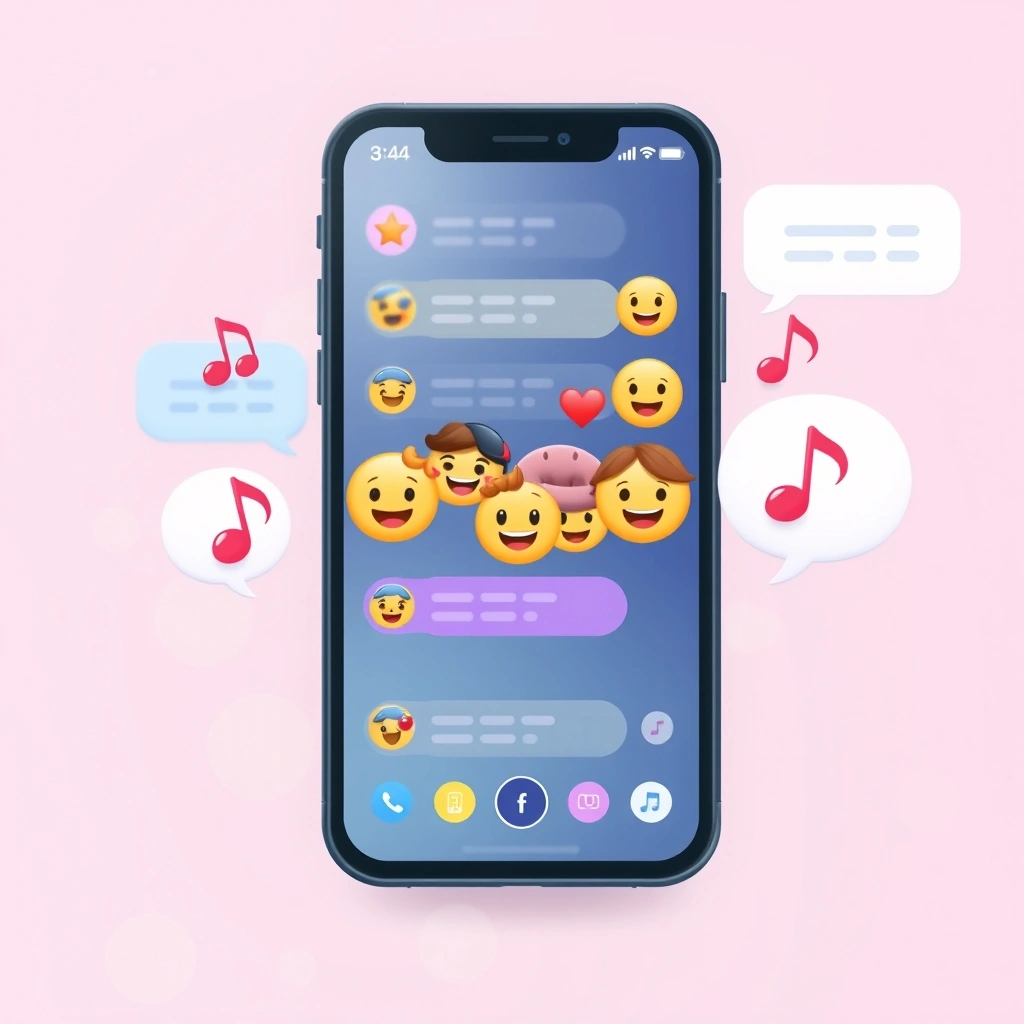
Consider the 'reaction emoji.' In a thread debating where to order dinner, a cascade of 🍕, 🍣, and 🥗 emojis can resolve a 20-message debate in seconds. The emoji becomes a vote, a stamp of approval that bypasses the need for lengthy "I'm good with pizza" replies. It accelerates decision-making by providing a visual, immediate consensus.
Similarly, a well-placed 😂 or 💀 in response to a joke does more than show you found it funny. It validates the humor efficiently, encouraging more of the same and keeping the playful, fast-paced energy flowing. It's a feedback loop that says, "Keep going, this is the vibe," without interrupting the stream with a full sentence.
The Deceleration: Creating Pacing and Emphasis
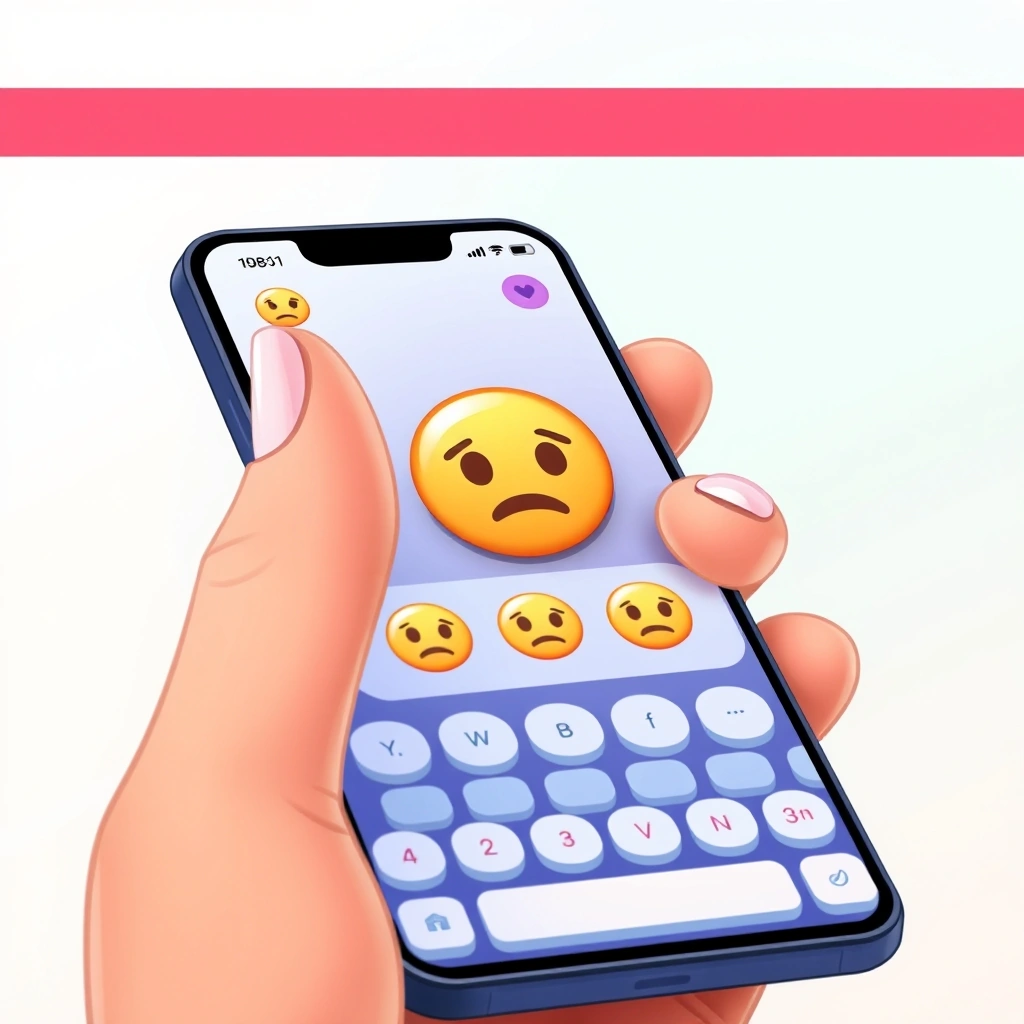
Conversely, emojis are masters of the strategic slowdown. A single 🧐 or 🤨 inserted after a questionable statement brings the scrolling to a momentary halt. It injects a note of skepticism, prompting others to re-read and consider, effectively putting a 'speed bump' in the conversation.
The pensive 😶 or 🤐 can have a similar effect. In a heated debate, it can signal a withdrawal or a desire for the topic to change, acting as a soft stop sign that encourages others to pause and reset. As explored in our look at the unspoken rules of emojis, these symbols carry heavy social weight, often doing the emotional labor of a full paragraph.
Changing the Direction: The Pivot Point
Perhaps the most powerful rhythmic change is the pivot. A conversation spiraling into complaint can be instantly lightened with a silly 🐸 or a hopeful 🌈. It's a non-verbal way of saying, "Alright, let's steer this ship somewhere else." The thread's emotional direction changes because the visual cue provides a new anchor point for everyone to latch onto.
This is deeply connected to the unseen beat of our everyday chats. The emoji doesn't just comment on the content; it becomes the new content, setting a fresh tempo for what follows.
The Rhythm of Absence
It's also worth noting the power of the missing emoji. In a chat where reactions are common, a message left without any emoji response can feel stark, cold, or final. It creates a different kind of pause—an awkward silence in a room full of noise. The lack of visual rhythm becomes a signal in itself, often interpreted as disapproval or disconnect.
So next time you're tapping out a reply in a busy thread, think of your emoji keyboard as a conductor's baton. Are you adding a staccato burst of laughter to keep the pace? Inserting a fermata of thoughtfulness to create space? Or cueing a whole new movement with a visual pivot? These tiny symbols are the unseen architects of our digital conversation's flow, and mastering their rhythm is key to navigating the modern chat.
📒 Related Blogs
More...The Pulse of the Digital Age: How Emojis Mirror Our Collective Moods Online
The Unspoken Moderators: How Emojis Steer the Conversation in Online Communities
The Hidden Power of Emojis in Your Private Chats
Level Up Your Chats: How Emojis Turn Conversations into a Fun Game!
The Quiet Nod: How Emojis Acknowledge Messages in Our Daily Chats
The Secret Language of Smiles: How Emojis Instantly Reveal Emotions Online