The Unspoken Magic of Emojis in Project Updates

Feb 06,2026
Let's be honest for a second. How many times have you typed out a project update, hit send, and then immediately wondered, "Did that sound too harsh?" Or maybe you've been on the receiving end, reading a perfectly factual status report that somehow left you feeling a little... deflated. In the world of text-based work communication, where body language and tone of voice vanish, our words can land with unintended force.
This is where our tiny, colorful friends come in. I'm not talking about turning every Slack channel into a cartoon. I'm talking about strategic, thoughtful emoji use. A single thumbs-up or a smiling face isn't about being unprofessional; it's about being human. It's the digital equivalent of a nod or a warm smile across a meeting room table.
Why Tone Gets Lost in Translation
When we communicate in person, so much meaning is carried beyond the words. A slight smile softens a critique. An open posture invites collaboration. In writing, all we have are the words, and our brains, wired for social connection, desperately try to fill in the gaps. Without visual cues, we often default to assuming a neutral or even negative tone. That straightforward "The deadline is moved to Friday" can be read as a cold statement of fact or, with a simple calendar emoji 📅 or a brief "Let's rally! 💪" can frame it as a team challenge, not a top-down decree.
This isn't just about feeling good; it's about psychological safety and clarity. When team members feel the person behind the message is approachable, they're more likely to ask questions, flag risks early, and share ideas. A simple emoji can act as a trust signal, subtly indicating that it's safe to engage.
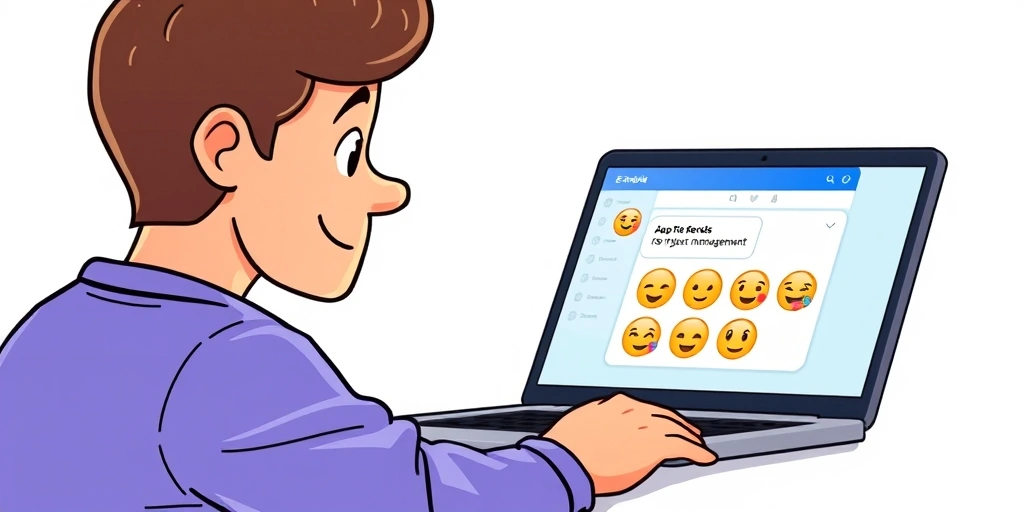
The Subtle Art of the Softening Emoji
Think of emojis in work updates as seasoning, not the main ingredient. Their power lies in their subtlety. You're not changing the message's content—the deadline is still Friday, the bug still needs fixing—you're changing its emotional container.
Consider the difference between:
"Need the Q3 report by EOD."
and
"Hey team, could we aim to get the Q3 report wrapped up by EOD? 🙏 Appreciate the hard work on this!"
The core request is identical. But the second version, with the folded hands emoji (a classic for "please" or "thank you") and the acknowledgment of effort, fosters cooperation. It acknowledges the human on the other side of the screen. A checkmark ✅ after a list of completed tasks feels satisfying and conclusive. A party popper 🎉 for a milestone achieved shares the celebration instantly.
It's about recognizing the shared effort behind every update. For more on navigating high-pressure moments with a little digital empathy, this piece dives deeper into using emojis during stressful workdays.
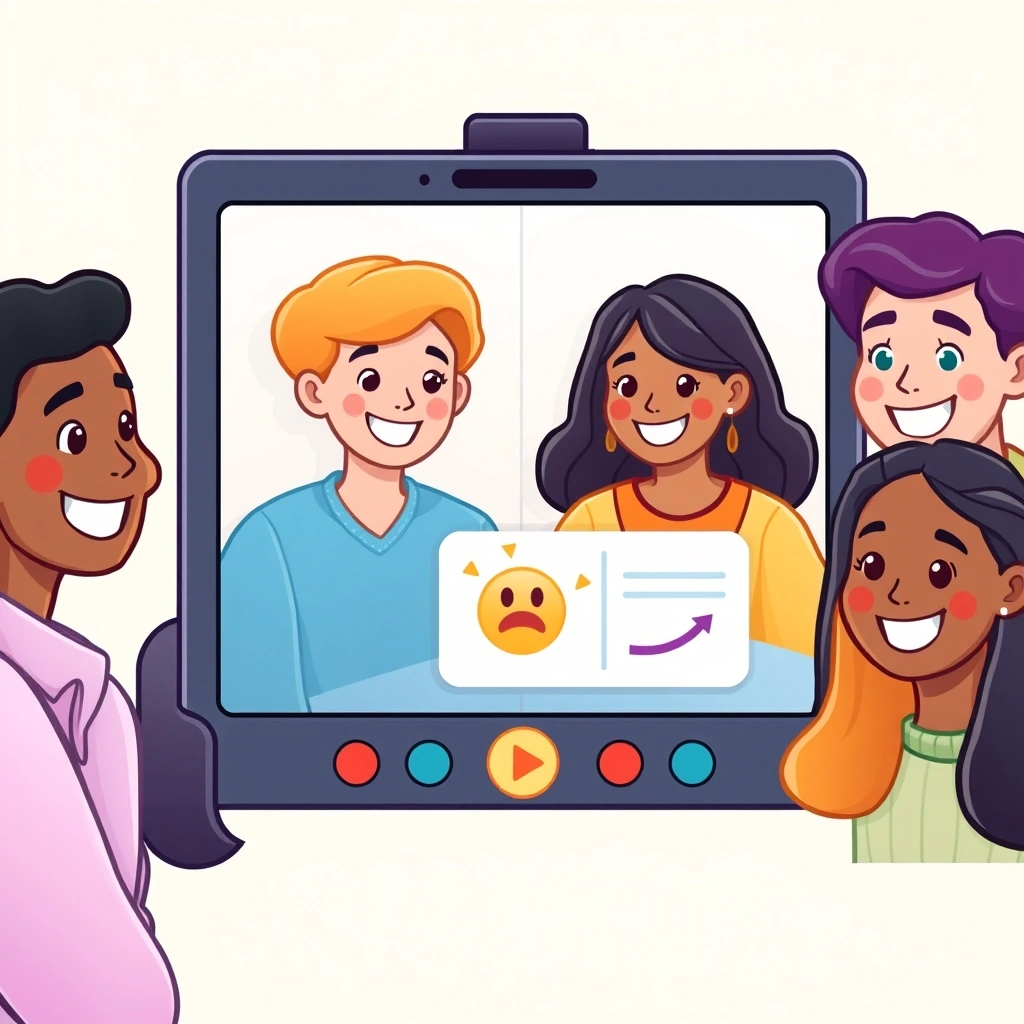
Building a Culture of Clear & Kind Communication
This practice, over time, does something beautiful: it helps shape your team's communication culture. It models that it's possible to be direct and kind, efficient and empathetic. It reminds everyone that projects are pushed forward by people.
Of course, context is king. The emoji you use in a quick team stand-up update might differ from one in a formal client email. The goal is always authenticity. If it feels forced, it probably is. Start small. Maybe it's just adding a quick "Thanks! 👍" to an acknowledgment. Notice how it feels, and notice how others respond.
At the end of the day, project management tools track progress, but human connection fuels it. In the sterile landscape of task lists and status columns, a well-placed emoji is a tiny pulse of warmth. It says, "I see you, we're in this together, and your work matters." And that might just be the most productive message you send all week.
For more insights on blending professionalism with personality in the digital workplace, explore our thoughts on emoji use in professional settings.
📒 Related Blogs
More...The Secret Language of Generations: How Emojis Shape Our Digital Conversations
The Unsung Heroes of Clarity: How Emojis Quietly Prevent Misunderstandings
Emoji Psychology: Decoding What Your Favorite Emojis Reveal About You
Lost in Translation? The Surprising Ways Emojis Stir Up Mixed Reactions Online
Emoji SOS: Why Those Little Icons Lead to Big Misunderstandings in Sensitive Conversations
Mastering Emoji Etiquette: Your Guide to Using Emojis Appropriately