The Unsung Heroes of Clarity: How Emojis Cut Through Digital Confusion

Mar 06,2026
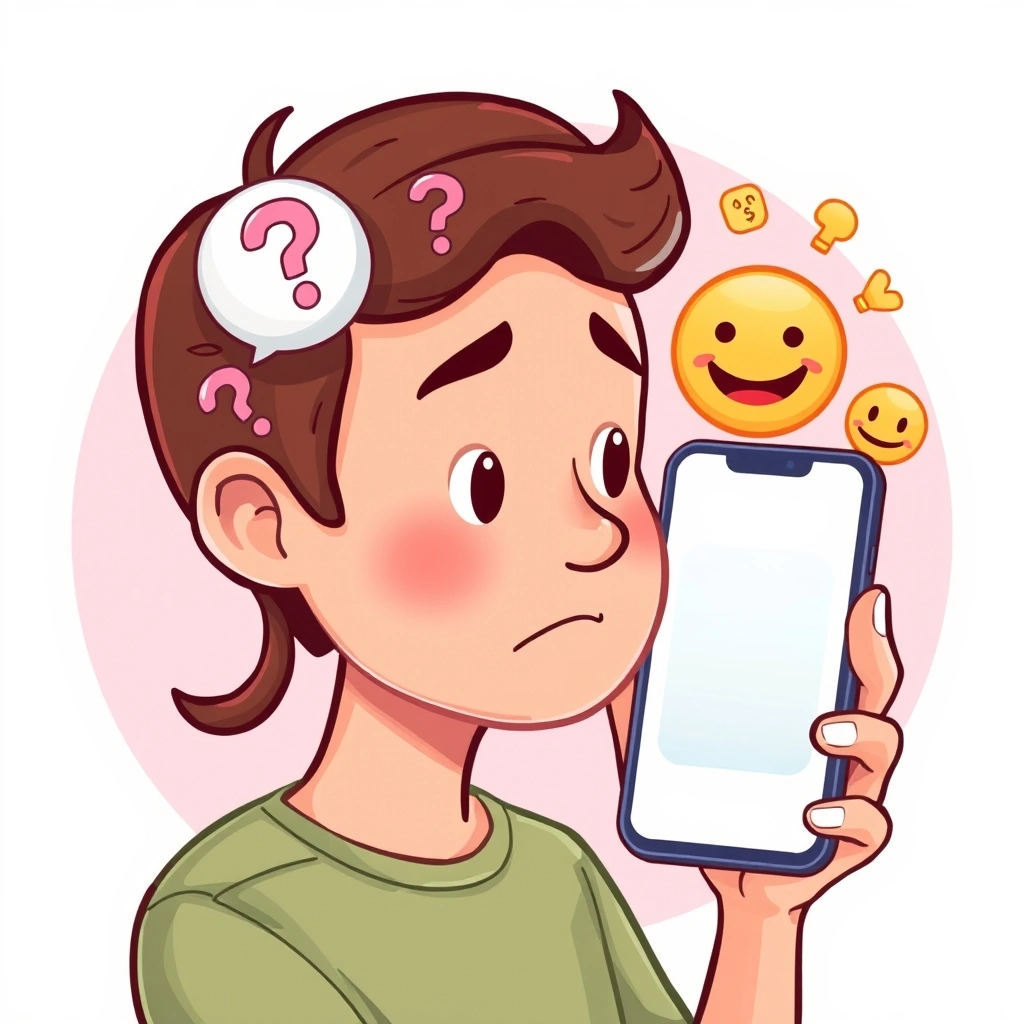
Think about the last time you sent a text that was just words. Maybe it was a simple 'okay' or a 'sounds good.' Now, think about how you felt after hitting send. A flicker of doubt? A tiny worry that the other person might read it as cold, or annoyed, or disinterested? If you've ever experienced that, you're not alone. In our text-heavy world, a huge chunk of human communication—tone, facial expression, body language—simply vanishes.
This is where our little digital friends, emojis, step in. They aren't just fun decorations or the domain of Gen Z. Psychologically, they serve a critical function: they reduce the massive uncertainty inherent in digital conversations. They act as emotional and intentional signposts, guiding the reader toward the sender's true meaning.
The Blank Canvas of Text
Written words, especially in quick messages, are incredibly ambiguous. The sentence 'I'm fine' is a classic example. It could mean genuine contentment, simmering anger, weary resignation, or polite dismissal. Without the vocal inflection of a sigh or the visual cue of a smile, the receiver is left to guess. Their guess will be filtered through their own mood, their relationship with you, and even what they had for breakfast. This guessing game creates what researchers call 'psychological distance' and opens the door for misinterpretation and anxiety.
Emojis work to bridge this gap. They provide a quick, universally recognized cue about the emotional context. 'I'm fine 😊' paints a very different picture than 'I'm fine 😒' or 'I'm fine 🥲'. That single character attaches a specific emotional flavor to the words, dramatically narrowing the field of possible interpretations. It's like giving someone a map instead of asking them to find a location with vague directions.
More Than Just Feeling: Intent and Effort
The clarity emojis provide isn't just about happiness or sadness. They're crucial for signaling intent, especially when humor or sarcasm is involved. Sarcasm is notoriously difficult to convey in text—it relies almost entirely on tone of voice. A comment that's meant as a playful jab can easily be read as a harsh criticism.
This is why the winking face 😉 or the upside-down smiley 🙃 have become so important. They act as a meta-commentary on the text itself, saying 'don't take this literally' or 'this is meant in fun.' Including them shows an awareness of the limitations of text and an effort to prevent misunderstanding. It's a small act of communicative care. You can explore more about how emojis shape our intended meaning in this article on cracking the code of online meaning.
Furthermore, the use of any emoji at all can signal positive intent. In a study on workplace communication, messages that included positive emojis were perceived as more friendly and cooperative. The emoji itself became a signal of goodwill, softening the digital interaction and making the sender seem more approachable and effortful in their communication.
The Subconscious Shortcut
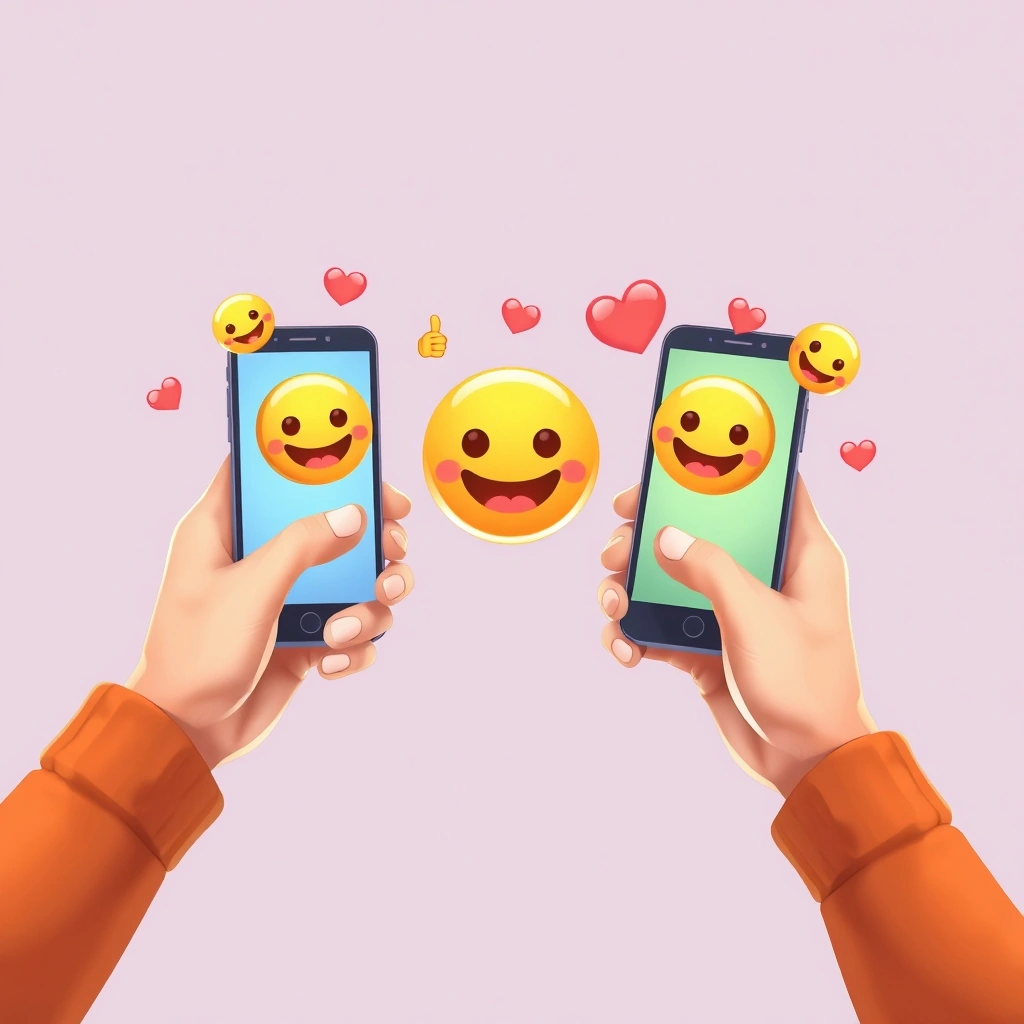
Perhaps the most fascinating part is how quickly our brains process this. We don't consciously decode an emoji like a puzzle. We absorb its emotional meaning almost instantly, in the same way we immediately recognize a smile or a frown in person. This rapid processing helps conversations flow more naturally. Instead of pausing to analyze 'what did they mean by that?', the emoji provides an immediate, subconscious cue that lets us respond to the emotional core of the message.
This process changes how we 'hear' a text in our minds. A message followed by a heart ❤️ is read with a warmer, more affectionate inner voice. A statement followed by a laughing-crying face 😂 is instantly framed as humorous. The emoji sets the stage for our internal narration. For a deeper dive into this cognitive effect, consider reading about the mind's shortcut with emojis.
A Tool for Connection, Not Replacement
It's important to say that emojis aren't a perfect replacement for face-to-face interaction, nor should they be used to communicate complex or sensitive issues that require nuanced discussion. Their power lies in augmenting our everyday, casual digital talk. They are the digital equivalents of a nod, a grin, or an eye roll—small, instantaneous gestures that keep the wheels of social connection greased.
In the end, the humble emoji is less about being trendy and more about being human. In a medium that strips away so much of what makes communication rich, they are our tools for putting some of the humanity back in. They are tiny, powerful anchors of clarity in the vast, uncertain sea of text messages, comments, and DMs. They help ensure that our 'okay' is understood as 'okay 👍' and not 'okay... 😠'. And in a world that can feel increasingly disconnected, that little bit of shared understanding is everything.
If you're intrigued by the intersection of tiny icons and human behavior, you'll find more insights in our broader collection on emoji psychology.
📒 Related Blogs
More...Beyond Words: How Emojis Bring Clarity and Connection to Project Updates
Decode the Digital Silence: How Emojis Revolutionize Online Communication Clarity
Unlock Smoother Work Chats: How Emojis Are Revolutionizing Professional Messaging
The Secret Sauce: How Emojis Make Our Casual Chats Instantly More Fun!
The Delicate Art of the Work Emoji: Finding the Perfect Tone in Professional Chats
Beyond the Smile: Understanding the Global Cultural Nuances of Emojis