Beyond the Smiley: How Emojis Quietly Shape How We See Each Other

Mar 20,2026
Think about the last text you sent. Did you end it with a simple period, a friendly exclamation point, or a warm smiling emoji? That small choice wasn't just about punctuation; it was a tiny brick in the wall of how the person on the other end sees you. We often talk about emojis as tools for expression—how we show we're laughing or feeling loved. But there's a quieter, more powerful force at play: emojis are constantly influencing perception.
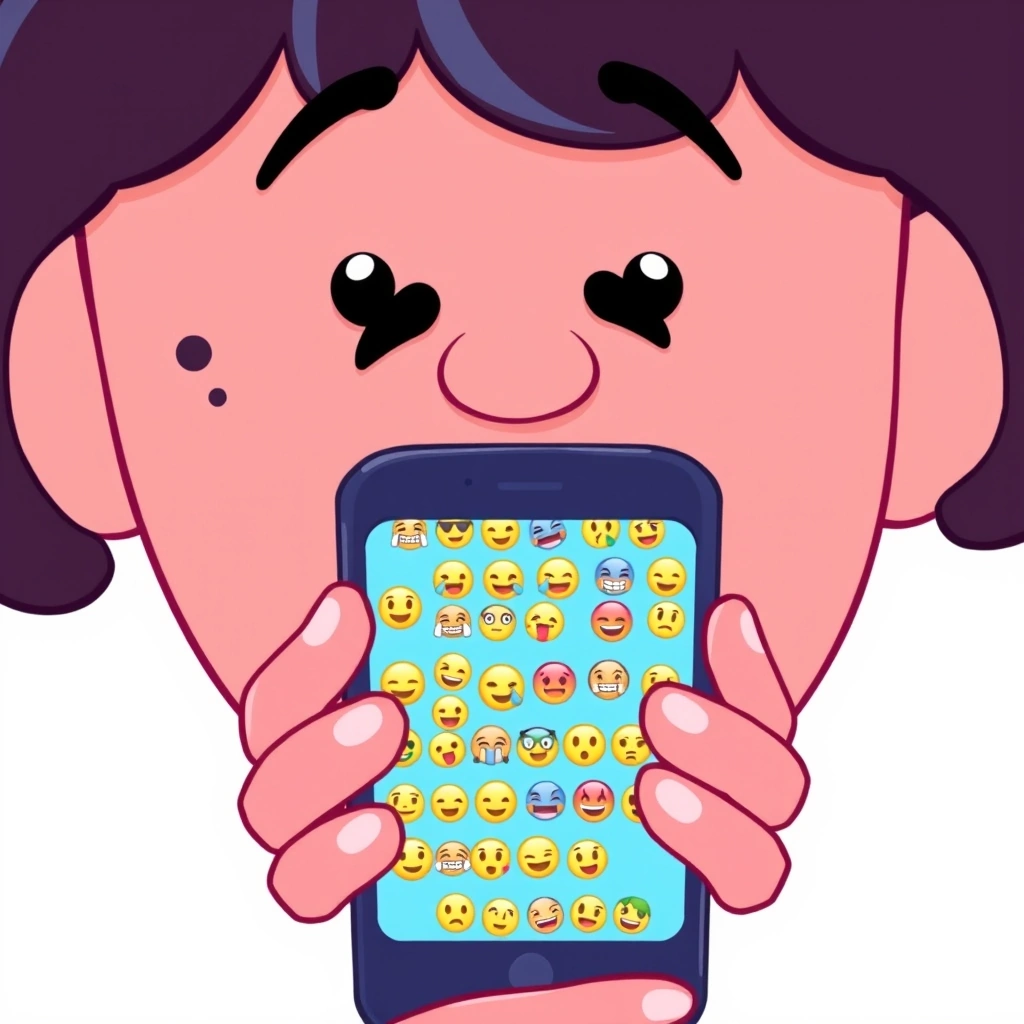
Over weeks, months, and years of chatting, the emojis we consistently reach for paint a portrait of our digital persona. Are you the friend who always uses the crying-laughing face? You might be perceived as the upbeat, humorous one in the group. Do you favor the thoughtful 🤔 or the cautious 🧐? People might start to see you as more analytical or reserved. This isn't about being fake; it's about the subtle, cumulative effect of our visual vocabulary.
This process of building perception through emojis is a fascinating part of emoji psychology. It shows how these symbols have become a fundamental layer of our online identity.
The Accidental Tone of Voice
In face-to-face conversation, we have tone, facial expressions, and body language to convey nuance. In a text-based world, that nuance often gets lost, leading to misunderstandings. Emojis rushed in to fill that gap. But they do more than just clarify a single message—they establish a recurring tone. Someone who frequently uses soft, warm emojis like 🥰, 🌻, or ☕️ cultivates an aura of kindness and approachability. Someone whose messages are often punctuated with the fire emoji 🔥 or the flexed biceps 💪 might be perceived as highly motivated or intense.
This creates a kind of expectation. When we see a notification from a certain person, we already have a pre-set idea of the emotional tone their message will carry, based largely on their emoji history. It's a non-verbal reputation, built one tiny icon at a time.
When Perception and Intention Diverge
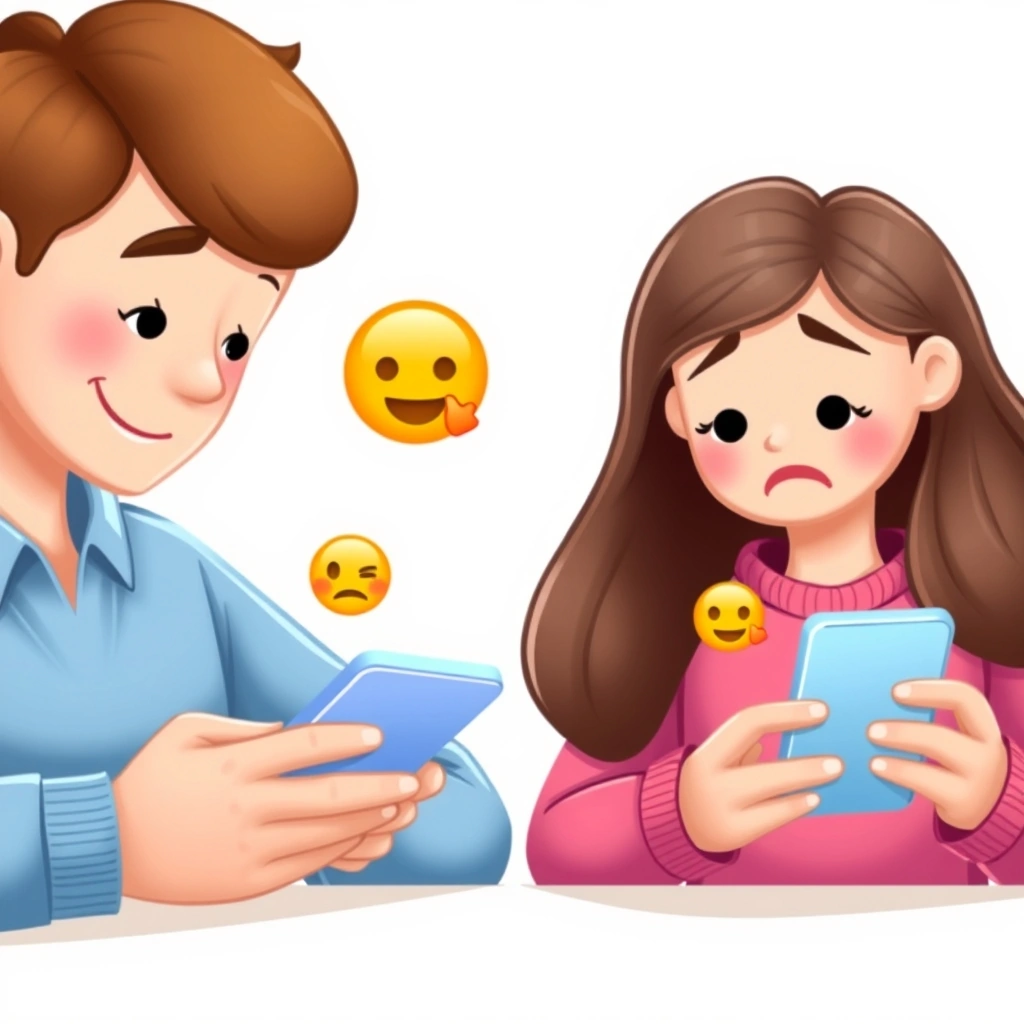
Sometimes, the perception others form doesn't match our intention. You might use the smirk emoji 😏 playfully, but a colleague might interpret it as smug or insincere. The thumbs-up 👍 can feel efficient and positive to you, but might come across as dismissive or cold to a close friend expecting more warmth. This gap is where a lot of digital friction occurs. We're not just sending an emoji; we're sending an interpretation, and we don't control how it lands.
As discussed in The Hidden Language of Emojis, these symbols carry complex cultural and personal baggage, making their 'translation' imperfect.
The Weight of Consistency (and Change)
What happens when someone's emoji pattern shifts? If the perpetually cheerful friend suddenly starts sending melancholic songs with a blue heart 💙 or a weary face 😔, it sends a powerful signal. That change in visual language immediately alters our perception of their current state, often more starkly than words alone. It tells us something has changed beneath the surface.
Conversely, consistency reinforces perception. The reliable use of certain emojis becomes part of your relational 'brand' with that person. It creates a sense of familiarity and predictability, which, in the often-chaotic digital sphere, can be a comforting anchor.
This emotional signaling is immediate and powerful, tapping into a more instinctual level of communication, much like how emojis make us feel before we think.
Navigating the Unspoken Rules
This influence on perception creates unspoken social rules. In professional settings, people often limit emoji use to 'safer' options like the thumbs-up or the check mark ✅, to project an image of competence and efficiency. In a new romantic relationship, the progression from simple smileys to heart emojis is a carefully (or nervously) navigated journey, each step altering how the other person perceives the depth of your feelings.
We are all, in a way, amateur curators of our own perceived personalities through these small, colorful choices. We intuitively understand that the palette we choose matters.
So, the next time you're about to hit send, take a half-second. That emoji isn't just for this message. It's a brushstroke on the ever-evolving portrait of you that exists in someone else's mind. It's a reminder that in our hyper-connected world, we are constantly, quietly, being seen—not just through our words, but through the tiny, vibrant icons we let speak for us.
📒 Related Blogs
More...Unmasking the Hidden Meanings: A Deep Dive into Popular Emojis
How a Simple Emoji Can Save Your Workday from Misunderstandings
Emojis & Mental Health: Expressing Emotions Digitally for Better Connection
The Unspoken Beat: How Emojis Dictate the Rhythm of Your Fast-Paced Digital Conversations
How Viral Moments Rewrite Our Emoji Language
How Emojis Became Our Secret Weapon for Calming Awkward Chats