The Instant Heart: How Emojis Make Us Feel Before We Think

Mar 17,2026
Think about the last time you got a text that was just a bit… off. Maybe it was a simple "okay" or a "sure." On its own, it's neutral. But then you see it. The period. Or worse, no emoji at all. Suddenly, your mind is racing. Are they mad? Are they bored? Did I do something wrong? In that split second, before any logical thought kicks in, an emotional judgment has already been made. And more often than not, it's an emoji—or the lack of one—that flips the switch.
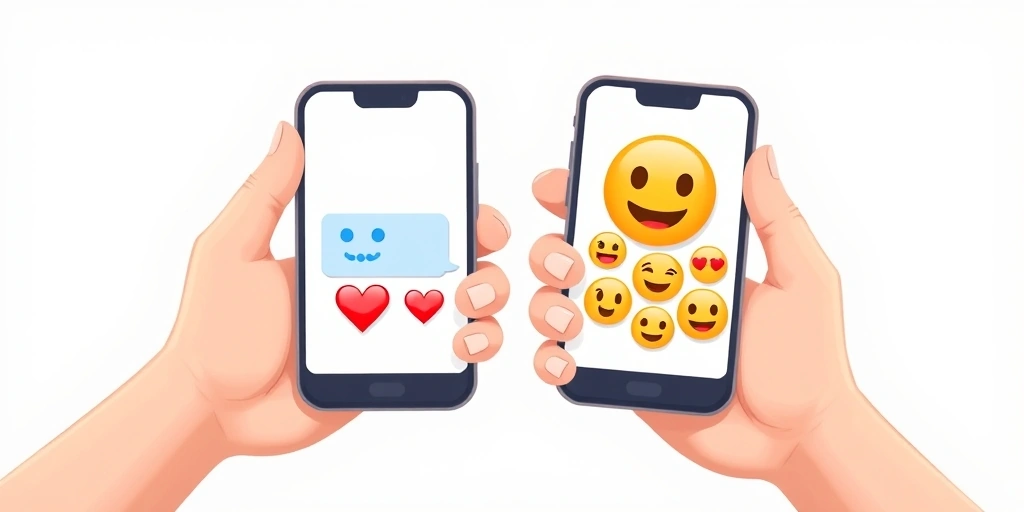
This isn't just in your head. Our brains are wired for efficiency. In face-to-face conversations, we have tone of voice, facial expressions, and body language to instantly gauge intent and emotion. In the stripped-down world of text, emojis have become our digital body language. They fill the emotional void, and our minds latch onto them as quick, reliable shortcuts.
Your Brain on Autopilot
Psychologists call these shortcuts "heuristics"—mental rules of thumb that help us make fast decisions with limited information. When you see a smiling face 😊 at the end of a sentence, your brain doesn't laboriously analyze it. It instantly files the message under "friendly" or "positive." A grimacing face 😬 triggers an immediate "awkward" or "apologetic" flag. This process happens in milliseconds, bypassing our slower, more analytical thinking.
This is why the wrong emoji can cause such a dramatic misunderstanding. Sending a smirk 😏 when you meant to be playful can be read as sarcastic or condescending. Using a simple thumbs up 👍 in a sensitive conversation might come across as dismissive. We're not just reading the words; we're feeling the emoji.
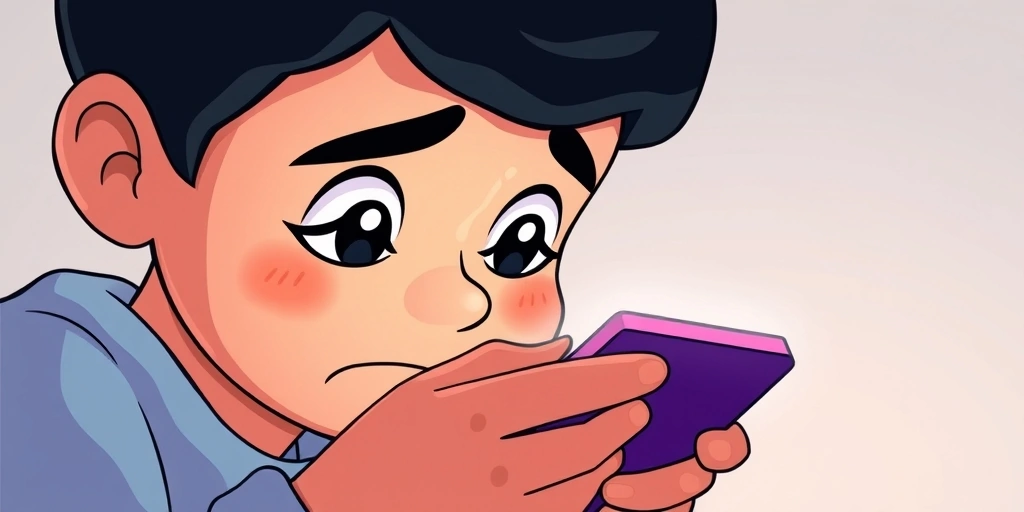
Over time, these judgments aren't just one-off reactions. They build a profile. If your friend always uses heart emojis ❤️🔥💕, you start to associate their messages with warmth and affection. If a colleague consistently uses the clapping hands 👏 or fire emoji 🔥, you might see them as enthusiastic and supportive. These tiny icons become part of their digital personality, shaping your ongoing emotional perception of them. It's a fascinating aspect of emoji psychology that influences our relationships more than we realize.
The Weight of Absence
Sometimes, the most powerful trigger isn't an emoji at all—it's its absence. In a culture where emojis are the norm, a plain text message can feel cold, formal, or even hostile. It breaks the expected pattern. Our brain's shortcut system, expecting a cue and finding none, often defaults to a negative or cautious interpretation. "Are they upset with me?" becomes the automatic fill-in-the-blank.
This is especially true in close relationships. A partner who usually peppers messages with hearts and kisses but suddenly stops can send a silent alarm bell ringing, long before any actual problem is discussed. The emoji wasn't just decoration; it was a consistent emotional signal. Its disappearance is a signal in itself.
Navigating the Emotional Minefield
So, with all these instant judgments flying around, how do we communicate better? Awareness is the first step. Recognizing that an emoji is never *just* an emoji helps us choose more intentionally. It's about empathy—asking yourself, "How might this little icon make the person on the other side *feel* in half a second?"
It also means giving others the benefit of the doubt. If a message feels off, remember the shortcut. Your brain made a snap judgment. Take a breath and engage the analytical part. Could that period have been a typo? Could they have simply forgotten an emoji while busy? As explored in the hidden power of emojis, these small symbols carry immense weight, but they aren't infallible.
Ultimately, emojis are a language of emotion. They allow us to be more human in a digital space, to convey nuance and feeling that words alone sometimes struggle with. They help us feel connected, understood, and seen. But like any powerful tool, they come with responsibility. By understanding that they trigger these quick, deep-seated emotional judgments, we can use them to build bridges of understanding, rather than walls of assumption. They are, as the secret language of emojis suggests, the quiet conductors of our digital hearts, steering the feelings in every text we send and receive.
The next time you go to tap that emoji keyboard, pause for just a moment. That tiny icon is about to become an instant emotional reality for someone else. Choose with care, and with heart.
📒 Related Blogs
More...The Secret Language of Emoji Pairs: Softening and Intensifying Your Messages
Emoji Etiquette: Mastering Professional & Casual Communication
The Unspoken Language: How Emojis Shape Your Online Conversations and Perceptions
The Hidden Cost of a Smiley Face: When Emojis Backfire in Your Texts
The Secret Power of Emojis in Viral Conversations
The Unseen Tempo: How Emojis Control the Flow of Fast-Paced Chats