Beyond the Text: How Emojis Shape What We Really Think

Mar 05,2026
The Silent Architects of Our Digital Conversations
Think about the last text you sent. Maybe it was a simple "Okay" or a "Sounds good." Now, imagine it with a smiling face 😊 at the end. Feels different, doesn't it? That tiny pictograph didn't just decorate your message; it fundamentally altered how the person on the other end likely perceived your tone, your attitude, and even your relationship with them. This is the subtle, powerful world of emoji perception. While we often focus on how we express ourselves with emojis, their true impact lies in how they are received and interpreted.
In text-based communication, we're stripped of body language, facial expressions, and vocal tone—all the cues that help us understand intent. A sarcastic comment can be read as sincere; a blunt statement can feel hostile. This is the ambiguity emojis rush in to fill. They act as digital body language, providing crucial context that plain text lacks. But this context isn't neutral. It actively shapes the reader's mental and emotional model of the conversation.
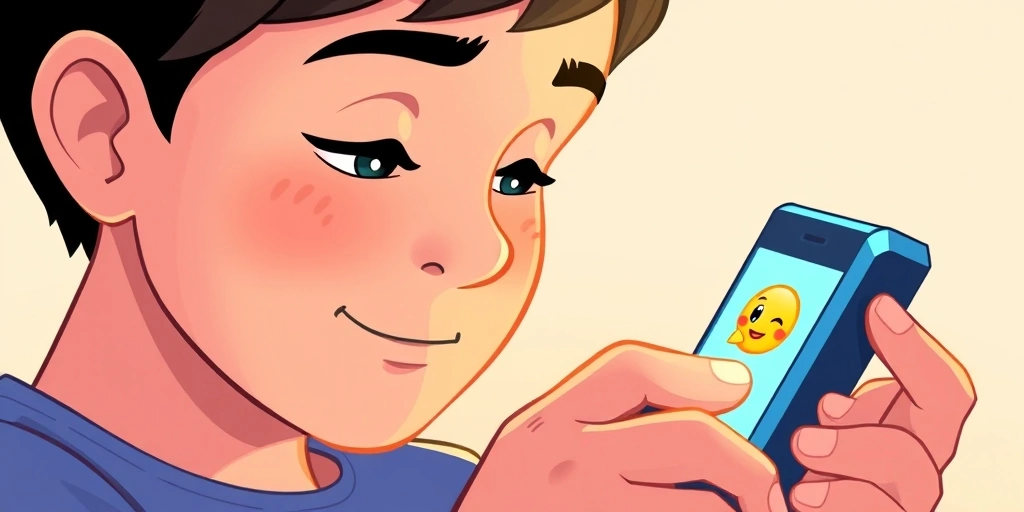
From Neutral to Charged: The Power of a Single Symbol
Consider the difference between receiving "I'm fine." and "I'm fine. 😒" The first is ambiguous—are they actually fine, or just saying so? The second, with the unamused face, clearly signals discontent, sarcasm, or frustration. The emoji didn't just clarify; it assigned an emotional value to the statement. This happens constantly. A thumbs up 👍 can transform an agreement into enthusiastic support, while a simple period can feel cold without one. The reader's brain uses the emoji as a key to decode the sender's emotional state, which in turn colors their entire understanding of the message.
This perceptual shift affects everything from trust to likability. Research and everyday experience suggest that messages with appropriate, positive emojis are often perceived as more friendly, trustworthy, and competent. They soften edges and build rapport. Conversely, the absence of expected emojis (like in a typically warm conversation) or the use of ambiguous or mismatched ones can create confusion, doubt, and distance. You can dive deeper into this fascinating interplay in our exploration of how emojis shape our feelings online.
When Perception Creates Reality
The influence of emojis goes beyond interpreting a single message. They set the tone for entire interactions and can even alter our memory of a conversation. A thread filled with laughter 😂 and heart ❤️ emojis is remembered as more positive and enjoyable than its literal text might suggest. The emojis act as emotional highlights, shaping the narrative we construct about the exchange in our minds.
This is why emoji choice is so critical in sensitive situations. A well-placed red heart ❤️ or hugging face 🤗 after a supportive message amplifies empathy. A confused face 😕 in response to a complex idea signals a need for clarification without criticism. However, misperception is a constant risk. The winking face 😉 might be intended as playful to one person but read as insincere or flirtatious by another. The grimace 😬 meant to express sympathetic pain might be interpreted as judgment. Our individual backgrounds and relationships create unique lenses through which we view these symbols.
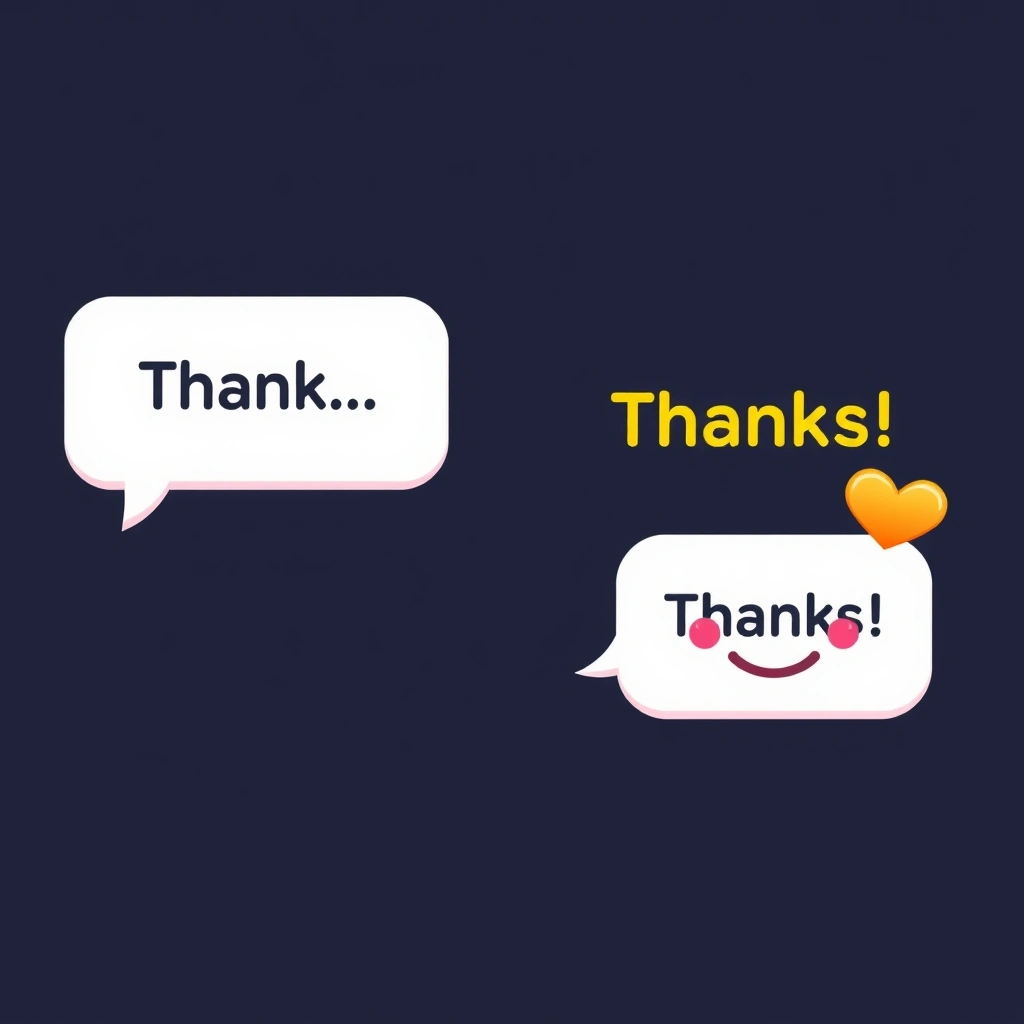
Navigating the Unwritten Rules
So, how do we use emojis to guide perception positively? It starts with awareness. Think of your emoji as the tone of voice for your sentence. Is it softening a request? ("Could you send that when you get a chance? 🙏") Is it ensuring a joke lands? ("That meeting was an adventure... 🫠") Matching the emoji's established emotional weight to your intent is key.
It's also about consistency and audience. The emojis you use with a close friend will (and should) differ from those you use with a colleague or a new acquaintance. Paying attention to the other person's emoji style can be a great guide—it's a form of digital mirroring that builds connection. For more on these subtle social guidelines, check out our thoughts on the unspoken rules of emojis.
Ultimately, emojis are more than decorative. They are active participants in our communication, silently shaping how our words are felt and understood. By choosing them thoughtfully, we're not just sending a message—we're carefully crafting the perception of it, building clearer, warmer, and more human connections in a digital world. To explore more about the intersection of emojis and human behavior, visit our Emoji & Psychology blog category.
📒 Related Blogs
More...The Emoji Takeover: How Tiny Icons Replaced Our Small Talk
The Secret Language of Smiles & Tears: How Emoji Combinations Decode Your Digital Mood
Emoji Art and Design: Unlocking Creative Expressions Beyond Simple Text
Unlock Clarity: How Emojis Transform Quick Chats from Confusing to Crystal Clear
The Secret Life of Emojis: How a Simple 😂 or ❤️ Can Make Your Post Go Viral
The Unspoken Language: How Emojis Became Our Go-To Quick Reply