Emoji Skin Tones: A Deep Dive into Inclusivity and Representation

Dec 10,2025
For years, the digital world communicated emotions and ideas through the universal, often yellow, emoji collection. While these iconic symbols brought a new dimension to text, a crucial aspect of real-world diversity was missing: skin tones. The journey from generic yellow circles to a spectrum of skin tone options has been a monumental step towards making digital communication truly inclusive, allowing everyone to see themselves reflected in the emojis they use every day.
The Dawn of Diversity: A Historical Look at Emoji Evolution
Initially, emojis were designed with a neutral, non-human yellow hue, aiming for universality. However, as emojis became more integral to our daily conversations, the demand for more representative options grew. People wanted to express themselves with emojis that mirrored their own identities. This growing need led to a significant update in the emoji lexicon, driven by the Unicode Consortium, which oversees emoji standards.
How Skin Tone Modifiers Work
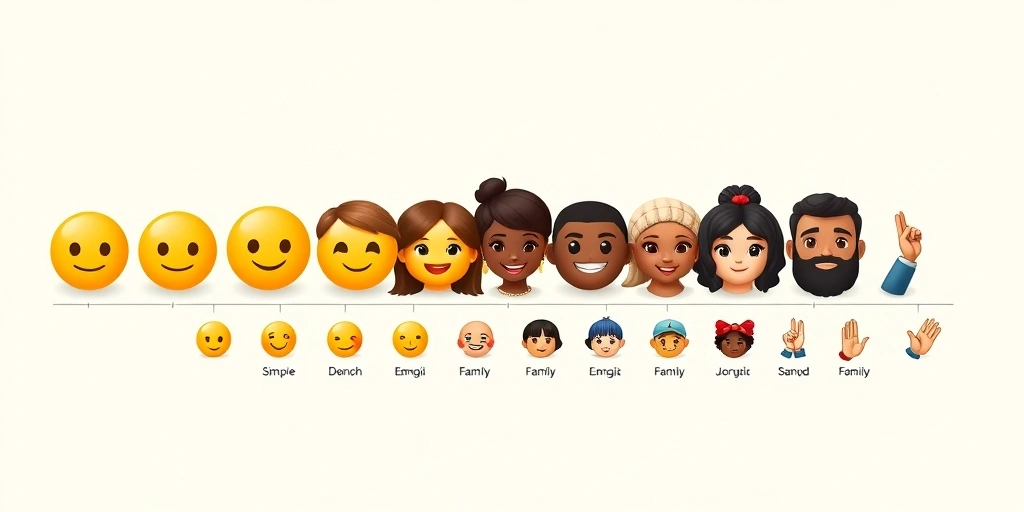
In 2015, Unicode 8.0 introduced a groundbreaking feature: the ability to modify certain human-representing emojis with five different skin tone options, based on the Fitzpatrick scale. These modifiers, often depicted as small squares of color next to the base emoji, allow users to choose tones ranging from light to dark. For example, a simple thumbs up or clapping hands emoji can now be customized to better reflect the sender's (or receiver's) skin tone, making interactions more personal and relatable. This feature allows us to copy emoji that truly represent us.
More Than Just a Color: The Impact of Representation
The introduction of diverse skin tones in emojis is far more than just a cosmetic change; it's a powerful statement about inclusivity and representation. Seeing oneself accurately represented in digital tools can significantly impact self-esteem and belonging. It sends a message that all identities are valid and important, fostering a more inclusive online environment. This move has been widely celebrated for its role in making digital communication more equitable and reflective of the diverse global population.
Challenging the Norm: Unicode and Ongoing Efforts
The Unicode Consortium continues to play a vital role in expanding emoji diversity. Beyond skin tones, ongoing efforts focus on introducing emojis that represent different professions, family structures, and genders, ensuring that the emoji set remains dynamic and reflective of societal changes. These additions are carefully considered through proposals from individuals and organizations worldwide, aiming to create a comprehensive and respectful visual language for everyone.
Navigating the Nuances: Best Practices for Using Diverse Emojis
While the availability of diverse skin tone emojis is a positive development, it also comes with a subtle etiquette. Users generally choose the skin tone that best represents themselves or the person they are referring to. The goal is authenticity and respect. However, it's also important to remember that the generic yellow emoji remains a perfectly valid and often preferred option for those who simply wish to use a neutral representation. The key is choice and mindful usage.
The evolution of emoji skin tones highlights our collective progress towards a more inclusive digital world. By embracing diversity in these tiny symbols, we empower individuals to express themselves more authentically and connect on a deeper, more representative level. As we continue to communicate through the vibrant world of emojilar, these efforts ensure that everyone has a place at the digital table. It's a continuous journey, but one that is undoubtedly enriching our online interactions for the better.
📒 Related Blogs
More...The Psychology of Emojis: Why We Can't Live Without Digital Icons
The Unwritten Rules: How Emojis Shape New Meanings in Online Communities
Emoji Etiquette: Mastering the Unspoken Rules of Digital Communication
The Quiet Nod: How Emojis Acknowledge Messages in Our Daily Chats
Emoji Etiquette: Master the Art of Digital Communication (Avoid Faux Pas!)
The Silent Cheers: How Emojis Have Become Our Everyday Excitement Detectors