That Emoji Didn't Mean What You Think: The Hidden Minefield of Digital Miscommunication

Mar 12,2026
You know the feeling. You send a quick text with a smiling emoji, only to get a confused 'Are you okay?' in reply. Or maybe you used the crying-laughing face to show something was hilarious, and your friend thought you were genuinely upset. It happens to all of us.
In our fast-paced world of texting, DMs, and group chats, emojis are our go-to tools for adding tone and emotion. They're the digital equivalent of a wink, a shrug, or a sigh. But here's the catch: they're not a universal language. What feels clear and obvious to you might be a complete mystery to the person on the other side of the screen.
This isn't about right or wrong interpretations. It's about the fascinating, and sometimes frustrating, gap that exists between our intent and how our messages are received.
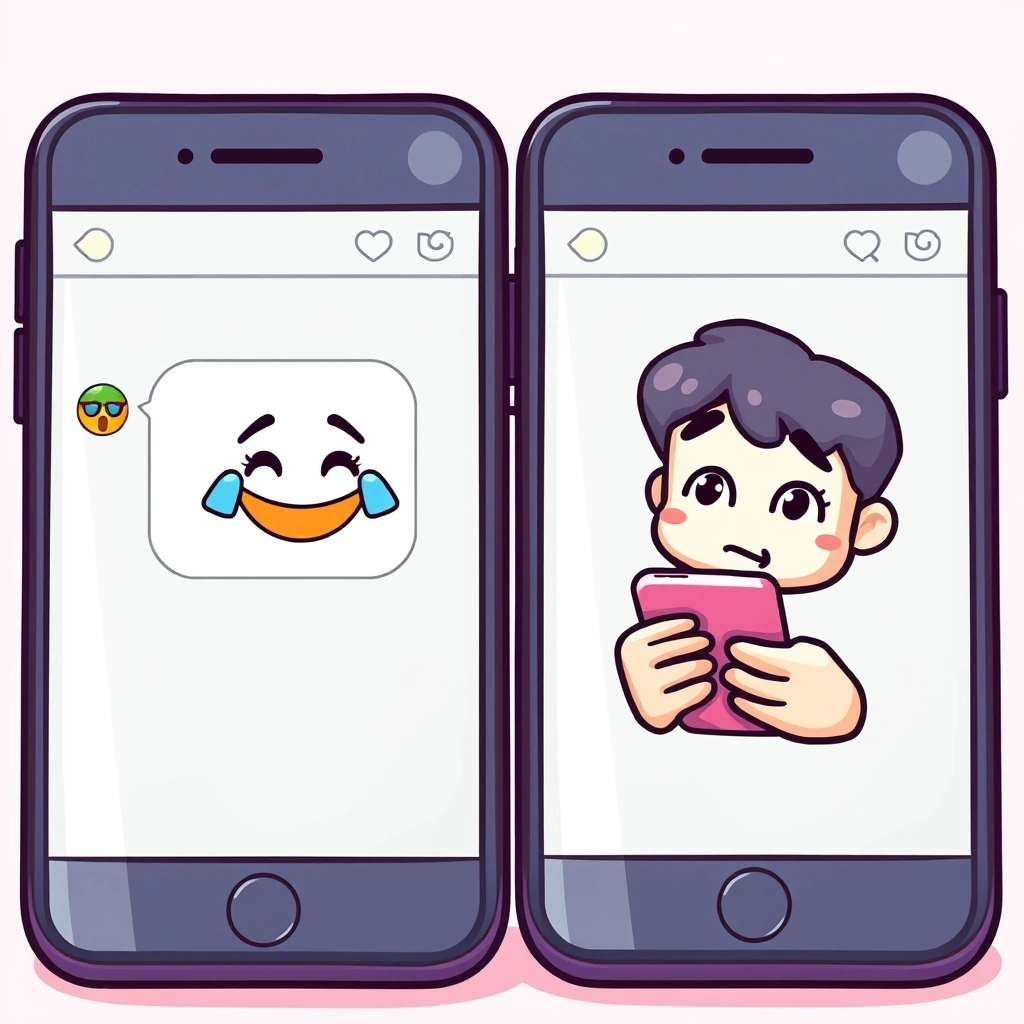
Why Do Emojis Get Misread So Easily?
Think about it. When you talk face-to-face, you have your voice, your facial expressions, and your body language all working together. A sarcastic comment comes with a specific tone and a smirk. In a text, all of that context is stripped away. We're left with plain words and a handful of tiny pictures to carry the entire emotional weight of our message.
An emoji isn't just a picture; it's a container we fill with our own personal experiences and cultural understanding. The grinning face with sweat might mean 'nervous relief' to you, but to someone else, it could read as 'fake smile' or even 'creepy'.
Generational differences play a huge role, too. The unintended signals we send with emojis can vary wildly depending on when someone first started using them. A symbol that's purely positive for one age group might have an ironic or completely different connotation for another.
The Platform Problem
It gets even more complicated. An emoji doesn't look the same on every phone or app. The smiling face you see on your Android might render as a slightly different, more intense grin on your friend's iPhone. These subtle design variations can completely change the perceived emotion. A winking face might look playful on one platform and smug on another.
We assume we're all looking at the same thing, but we're often not. It's like we're all reading from different editions of the same book.
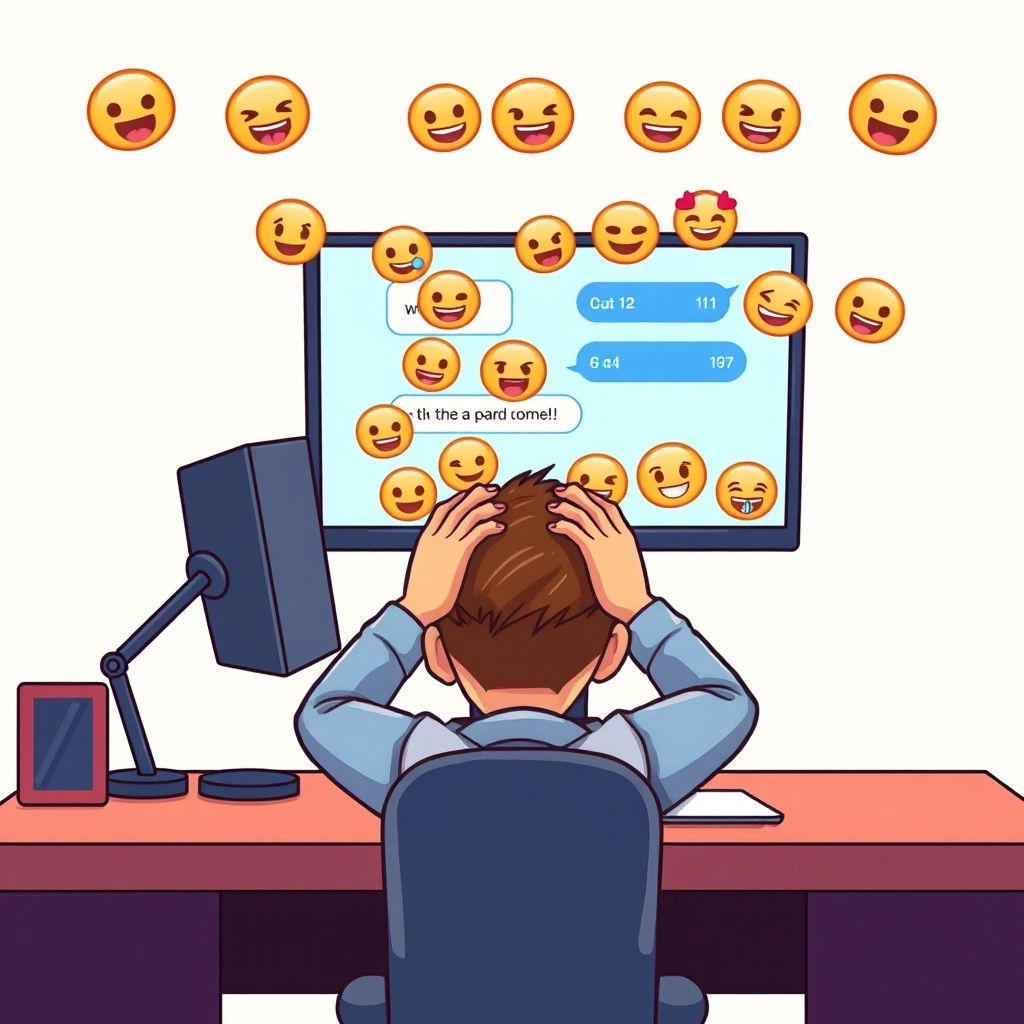
Real Talk: When Misreading Causes Real Friction
Most of the time, these mix-ups are harmless and lead to a quick 'Oops, I meant...' clarification. But sometimes, the stakes are higher.
Consider a work chat. You send a quick 'Got it.' with a thumbs-up emoji to your boss. In your mind, it's efficient and affirmative. They might read it as dismissive or even passive-aggressive. That single, well-intentioned symbol just added a layer of unnecessary tension.
Or in personal relationships, a misread emoji can fuel a small misunderstanding into a bigger deal. Using a period or a certain face at the wrong moment can make a simple message feel cold or angry. We've all been there, over-analyzing a text thread, trying to decode the hidden meaning behind a symbol. It's exhausting!
These moments highlight a core truth of digital communication: clarity often loses to convenience. We choose speed over specificity, and emojis, meant to help, can sometimes make things murkier.
Bridging the Gap: Tips for Clearer Emoji Use
So, what can we do? Abandon emojis? Never! They're too useful and fun. The goal is to use them more mindfully.
First, know your audience. The emoji shorthand you use with your best friend probably isn't suitable for a formal email or a message to your grandparent. Adjust your vocabulary accordingly.
Second, when in doubt, use words. If the emotion is complex—sarcasm, gentle criticism, sincere gratitude—a few extra words will always be clearer than risking a misread symbol. 'That was... an interesting choice 😅' is much clearer with the text than the emoji alone.
Finally, embrace the 'clarity check.' If a message feels important or potentially sensitive, read it back before hitting send. Ask yourself: 'If I received this, how would I feel?' Could that fire emoji be seen as angry instead of passionate?
For more stories on how these tiny icons can lead to big mix-ups, check out our collection of emoji mistakes and misuses. You'll see you're in good company.
It's a Shared Responsibility
Ultimately, clear communication is a two-way street. If you're on the receiving end and an emoji confuses you, it's okay to ask! A simple 'What did you mean by that face?' can prevent hours of overthinking. It shows you care about understanding their intent.
The digital landscape we chat in is imperfect. Emojis are a brilliant, evolving patch for the problem of tone in text, but they're not a perfect solution. They require a bit of empathy, a dash of context, and a willingness to clarify.
So next time you reach for that emoji keyboard, take half a second. Think about the person who will receive it. That tiny moment of consideration might just be the key to turning a potential misread into a moment of genuine connection. After all, isn't that what we're all trying to do?
And if you've ever had a public reply get lost in translation because of a rogue emoji, you know exactly how real—and sometimes hilarious—this struggle can be.
📒 Related Blogs
More...The Unseen Sting: When Your Emojis Accidentally Hurt
The Ever-Shifting Emoji Landscape: How Digital Trends Reshape Our Favorite Icons
The Silent Power of Emojis: How They Keep Our Chats Light & Lively
How Your Emoji Habits Are Quietly Rewriting the Rules of Conversation
The Secret Psychology of Emojis: How Tiny Icons Steer Our Subconscious