When a Simple Emoji Makes a Big Mess: The Unintended Signals We Send

Mar 11,2026
It was just a simple text thread. My friend was sharing some tough news about a family situation, and after a long, heartfelt message from her, I typed back a quick reply. I wanted to acknowledge her pain, to show I was listening. So I sent the ‘folded hands’ emoji 🙏. To me, it meant ‘I’m sending you thoughts and support.’
A few hours later, she replied, ‘Thanks for the prayer, I guess.’ I was confused. Then it hit me. While I saw the emoji as a universal symbol of please-and-thank-you, of hope, she had interpreted it very literally—as me saying ‘I’m praying for you.’ In her context, that felt presumptuous and slightly off-key, adding a layer of religious sentiment I never intended. A tiny, well-meaning pictogram had created a tiny, awkward rift.
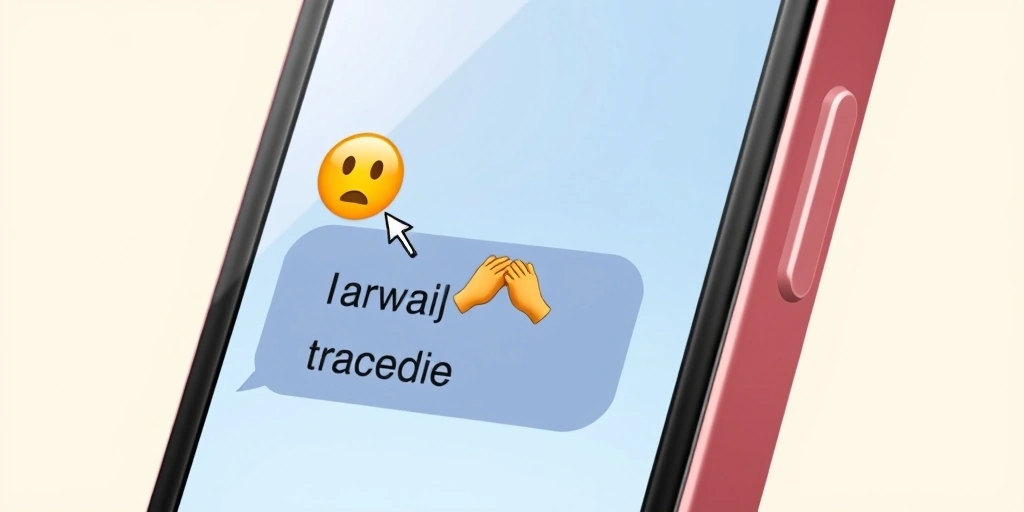
This is the silent hazard of our emoji-filled world. In the fast flow of digital conversation, especially during delicate exchanges, we reach for these symbols as shorthand for complex feelings. But that shorthand isn’t a universal language. Its meaning is shaped by culture, generation, personal history, and the immediate emotional temperature of the chat. What you send as a cushion of empathy can be received as a brush-off, a judgment, or just plain weirdness.
Why Sensitive Moments Are a Minefield
When emotions are high, our communication needs are, too. We crave clarity, empathy, and presence. Words often fail us, so we supplement with emojis. The problem is, emojis are incredibly low-resolution. They carry a fraction of the data that tone of voice, facial expression, or a carefully chosen sentence does.
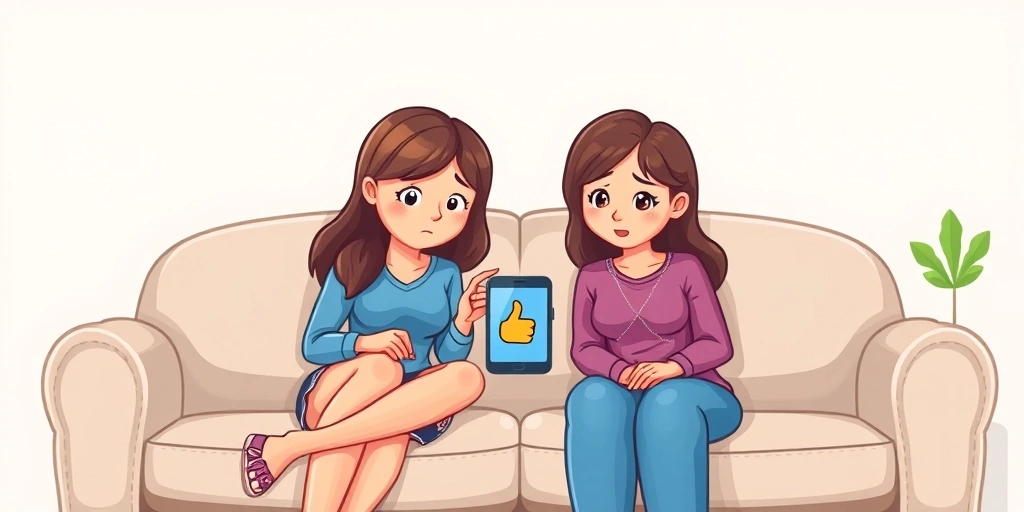
Think about the classic ‘thumbs up’ 👍. In a planning chat (‘Meeting at 3?’ ‘👍’), it’s perfect. In response to ‘My pet just died,’ it’s horrific. Yet, in a moment of panic or distraction, someone might autopilot that exact response, utterly unaware of the emotional violence of that icon. The gap between intent and impact in these cases is cavernous. For more on how messages get lost, you might find this article on silent misunderstandings really insightful.
The ‘smiling face with tear’ 😅 is another prime culprit. Is it ‘I’m so happy I’m crying’ or ‘This is so awkward and stressful I’m laughing nervously’? Used in a serious conversation, it can make the sender seem dismissive or unable to handle gravity.
The ‘Tone’ We Think We’re Setting
We often use emojis to set a tone we fear our bare words can’t convey. A period can feel aggressive, so we add a heart ❤️. A statement feels too blunt, so we soften it with a winky face 😉. But this is where unintended signals creep in. The winky face, for instance, can transform a supportive ‘You’ll get through this!’ into a strangely flirtatious or sarcastic comment. The heart can infantilize a serious conversation between adults.
We’re trying to do emotional labor with a tool that wasn’t built for fine detail. It’s like trying to perform heart surgery with a butter knife.
Navigating With More Care
This isn’t a call to ban emojis from serious talk. They’re a vital part of how we connect. It’s a call for mindful use. Here’s what helps:
Know Your Audience: Your best friend who speaks fluent emoji might get your ‘skull’ 💀 as ‘I’m dead from how bad this situation is.’ Your boss or your grandparent almost certainly will not. Match your visual language to the person receiving it.
When in Doubt, Use Words: In a truly sensitive exchange, a few genuine words—“That sounds incredibly hard,” “I’m really sorry you’re going through this,” “I’m here for you”—carry infinitely more weight and far less risk of misinterpretation than any string of icons.
Clarify, Don’t Assume: If you’re on the receiving end and an emoji feels off, it’s okay to gently check in. ‘Hey, just wanted to make sure I understood your message correctly…’ This can clear the air before a small confusion festers.
Sometimes, the awkwardness is immediate and obvious. If you want to explore how to recover from those moments, this guide to navigating awkward digital moments has some great tips.
At the end of the day, emojis are helpers, not replacements. They are the glitter on the card, not the message inside. In our most human moments—the messy, vulnerable, sensitive ones—the message itself still matters most. Let’s use our wonderful, colorful, ambiguous little symbols to enhance that message, not accidentally rewrite it into something we never meant to say. The goal isn’t perfect communication; it’s kind communication. And sometimes, kindness means pausing to make sure our digital hug doesn’t feel like a pat on the head, or our supportive prayer hands don’t land as an unintended sermon.
📒 Related Blogs
More...The Secret Language of Emojis: How Tiny Icons Capture Our Collective Mood
The Unspoken Rescue: How Emojis Save Us From Socially Awkward Moments
The Secret Life of Emojis: How They Morph with Every Internet Trend
The Tiny Lifesaver: How Emojis Rescue Your One-Word Replies
The Secret Language of Emoji Pairs: Softening and Intensifying Your Messages
Are Emojis Reshaping How We Communicate? A Comprehensive Look