The Hidden Power of Emoji Pairs: How Two Little Icons Change Everything

Feb 14,2026
Think about your last few text messages. Chances are, you didn't just send a lone smiley face or a solitary heart. You probably paired them up. A laughing face with a crying one. A heart with a fire. A thumbs up with a wink. This isn't random; it's a sophisticated, instinctive language we've all learned to speak.
While a single emoji is like a single word—clear but basic—a pair is a full sentence, rich with subtext and feeling. They don't just add decoration; they actively reshape the intent behind your words.
The Art of Softening the Blow
Let's be honest, digital communication is a minefield for tone. A simple "okay" can sound cold, annoyed, or perfectly fine. This is where emoji pairs become our best friends. They act as a cushion, wrapping a potentially harsh message in warmth.
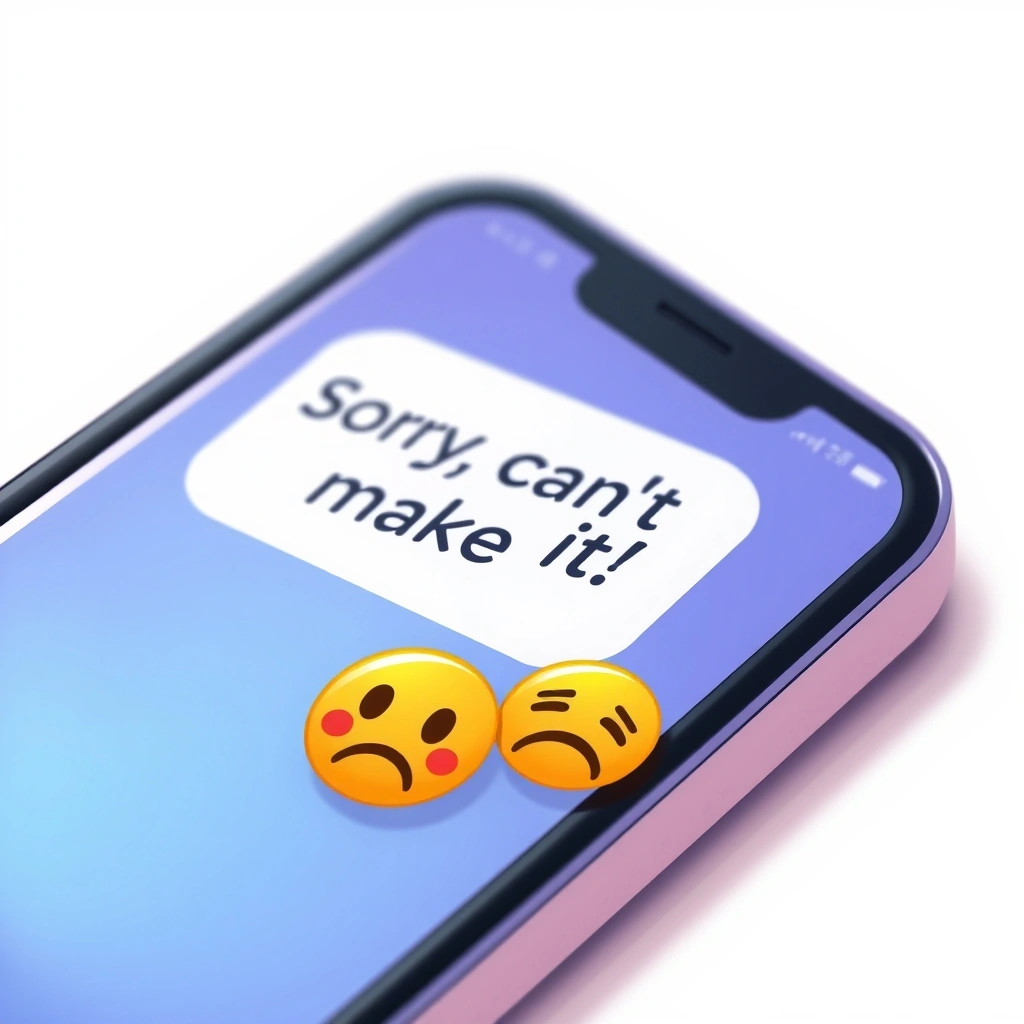
Imagine you have to cancel plans. "Sorry, can't make it tonight" feels abrupt, maybe even insincere. But add a pleading face and a sad face? 🥺😔 Suddenly, the message is infused with genuine regret. The pair softens the disappointment, showing you care beyond the bare facts.
Similarly, giving constructive feedback or saying no is tricky. A straight-faced emoji like 🙂 can sometimes read as passive-aggressive. But pair it with a heart 🙂❤️ or a praying hands emoji 🙂🙏, and the message transforms. It says, "I'm saying this with kindness and good intentions." The second emoji provides the emotional context the words alone lack.
This concept of using pairs to navigate delicate social moments is a huge part of modern texting etiquette. For a deeper dive into how these combinations create a secret language in our daily chats, check out this exploration of emoji pair dynamics.
Amplifying the Feeling
On the flip side, pairs are experts at turning the volume up to eleven. Where one emoji expresses a sentiment, two can scream it from the rooftops with joy, excitement, or even frustration.
Celebrating a friend's win? "Yay!!" is good. "Yay!! 🎉🔥" is a party. The fire emoji intensifies the celebration, adding an element of "this is absolutely blazingly awesome!" Expressing love? A red heart is classic. A red heart followed by a sparkling heart ❤️✨ adds a layer of magic and awe, making the feeling more specific and profound.
Even negative emotions get this treatment. "Ugh, my day... 😤💀" The fuming face shows anger or frustration, but the skull emoji (often used to mean "I'm dead" from exhaustion or overwhelm) intensifies it to a dramatic, almost comical level. It's a way of saying, "This isn't just annoying; it's catastrophically bad in a way we can laugh about."
Creating a New, Unique Meaning
Sometimes, the magic of a pair isn't about softening or intensifying, but about creating a third, entirely new meaning that neither emoji could convey alone. This is where the language gets really creative.
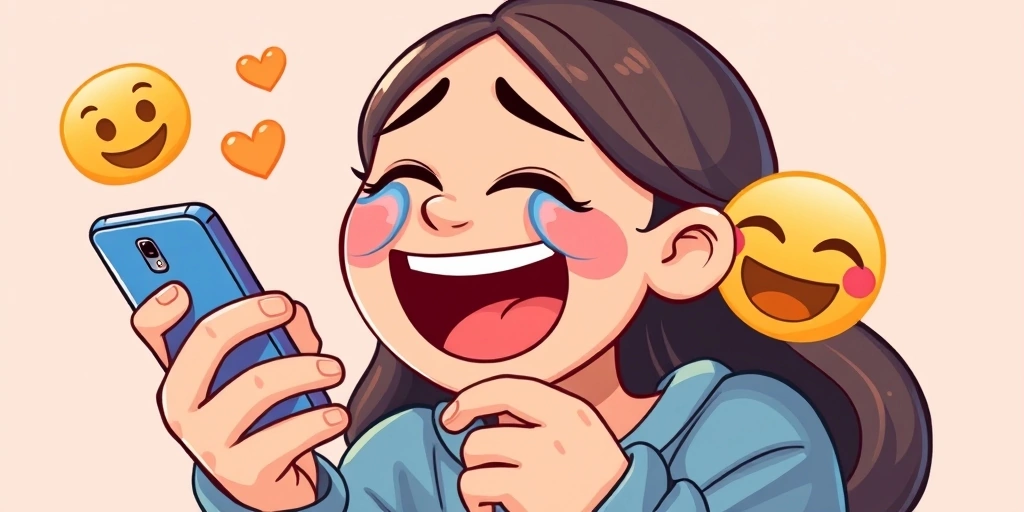
Take the classic 😭😂 (crying face + laughing face). Individually, they mean intense sadness and joy. Together, they've universally come to mean "laughing so hard I'm crying"—a specific, nuanced emotion that perfectly captures the hysterical, can't-breathe kind of laughter.
Or consider 👀🍿. Eyes and popcorn. Separately, they're just objects. Together, they're a full sentence: "I'm watching this drama unfold and I'm here for it." It's a playful, gossipy shorthand that entire conversations can be built around.
These combinations become inside jokes for the digital generation, a way to pack complex social scenarios into two tiny pictures. The reason this works so well is explored in this article on why two emojis are often better than one.
Listening to the Language
Becoming fluent in emoji pairs is less about memorizing rules and more about paying attention. Notice how your friends use them. What does the 👍😉 (thumbs up + wink) mean in your group chat versus the 👍🙏 (thumbs up + praying hands)? The first might be a playful, "got it, you rogue," while the second is a sincere, "thank you, I appreciate this."
Context is king. The same pair can mean different things depending on the relationship and the words it accompanies. The beauty is in the flexibility. We're all co-creating this language every day, in millions of messages.
So next time you go to send an emoji, pause for a second. Could a friend make it kinder, funnier, or clearer? Could it turn a simple statement into a shared moment of understanding? That's the hidden power of the pair. It’s the difference between just communicating and truly connecting, one tiny, powerful duo at a time.
To see more examples and ideas for your own messages, browse through our collection of insights on emoji and emoji combinations.
📒 Related Blogs
More...Emoji's Global Reach: Unpacking Diverse Cultural Interpretations of Digital Icons
The Fascinating Evolution of Emojis: From Simple Emoticons to Global Icons
The Global Language of Emojis: Decoding Cultural Meanings and Interpretations
The Unspoken Stop Sign: How Emojis Mark the End of a Chat
How Viral Moments Rewrite Our Emoji Language
Beyond Words: How Emojis Orchestrate the Rhythm of Professional Messaging