The Hidden Power of Emojis: How They Shape What You See Online

Mar 23,2026
You scroll through your feed, double-tapping a heart on a friend's vacation photo, laughing at a meme with a crying-laughing face, and maybe sending a thoughtful hug emoji on a more somber update. It feels like a simple, instant conversation. But have you ever stopped to think that these tiny digital gestures might be doing more than just showing you care? They could be actively shaping the very world you see online.
Social platforms are built on signals. Every like, share, comment, and yes—every emoji reaction—is a powerful piece of data. It tells the platform's algorithm what resonates with you. While we often talk about the algorithm showing us more of what we 'like,' the nuance of how we like something is becoming increasingly important. A 'heart' versus a 'laugh' versus a 'care' emoji sends a very different message, not just to your friend, but to the machine curating your experience.
Beyond the Thumbs Up: Emojis as Nuanced Feedback
Gone are the days of a single 'like' button ruling them all. The introduction of expanded reaction sets (think Facebook's 'Love,' 'Haha,' 'Wow,' 'Sad,' and 'Angry' or similar systems on other apps) was a game-changer. It allowed us to express a spectrum of emotions with one tap. This wasn't just for our benefit; it gave platforms a much richer, more emotional dataset to work with.
When you consistently react with a 😂 to someone's witty posts, the algorithm learns that you find that person's humor engaging. It may then prioritize not just their future funny posts, but also show you other content from different sources that triggers a similar 'humor' signal in its system. Conversely, if you often use the 😔 or 🫂 emoji on posts about mental health or personal struggles, your feed might gently tilt towards more supportive, vulnerable, or awareness-focused content from your network.
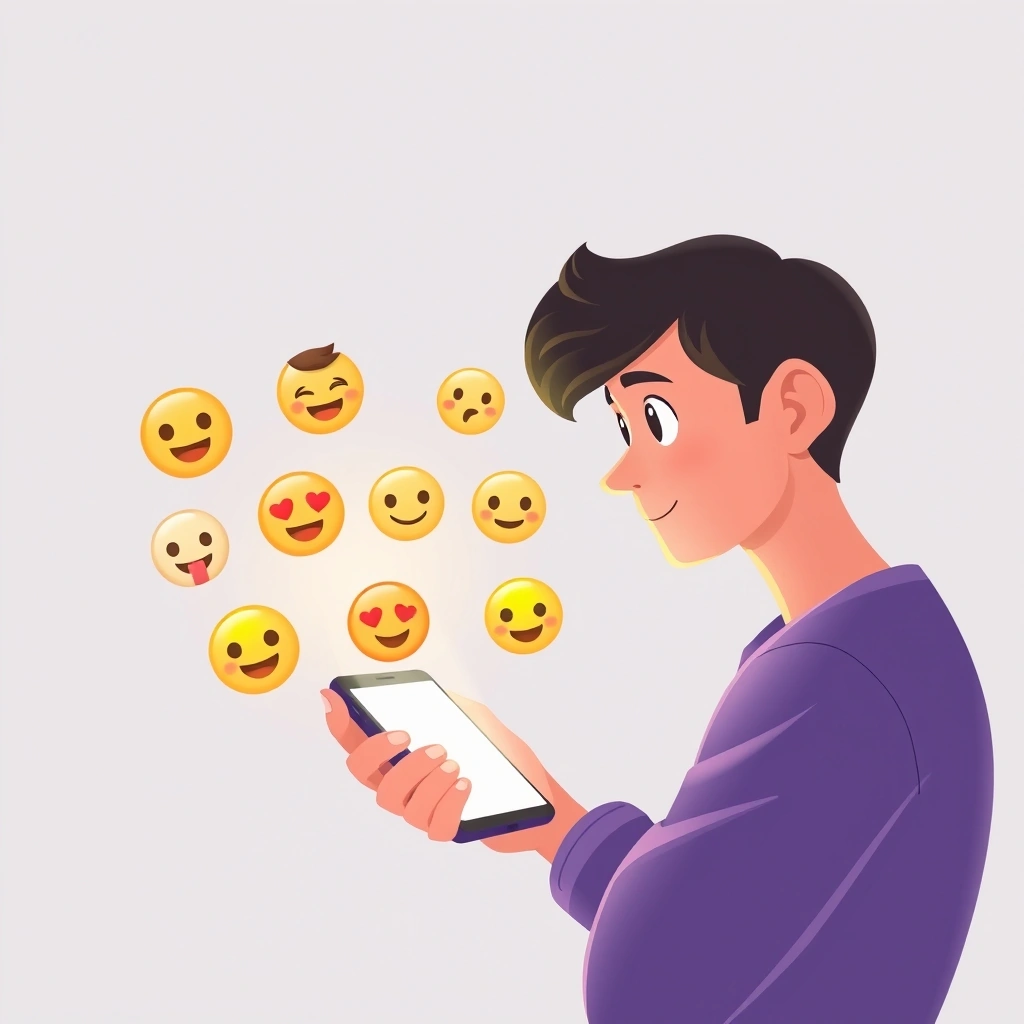
This creates a fascinating feedback loop. Your emotional reactions train the algorithm, which then surfaces content designed to elicit similar reactions, which you then respond to... and so on. Your feed becomes a mirror, not just of your interests, but of your emotional state and how you choose to express it digitally. For a deeper dive into these unspoken rules, check out our post on how emojis shape your social media posts.
The Ripple Effect on Your Digital Bubble
This influence extends beyond the content you see from pages and creators. It profoundly affects your personal network's visibility. Let's say you have a friend who posts a mix of political news, baby photos, and baking fails. If you only ever react with a ❤️ to the baby photos, guess whose posts will start appearing at the top of your feed? The algorithm assumes that's the 'version' of your friend you're most connected to. You might miss their insightful article or their hilarious kitchen disaster because you silently (through emojis) voted for the cute baby content.
This can subtly homogenize our perception of our friends and family. We see the parts of them we consistently engage with emotionally, potentially missing other facets of their lives. It's a form of digital tone management we perform unconsciously, curating not just content, but relationships.
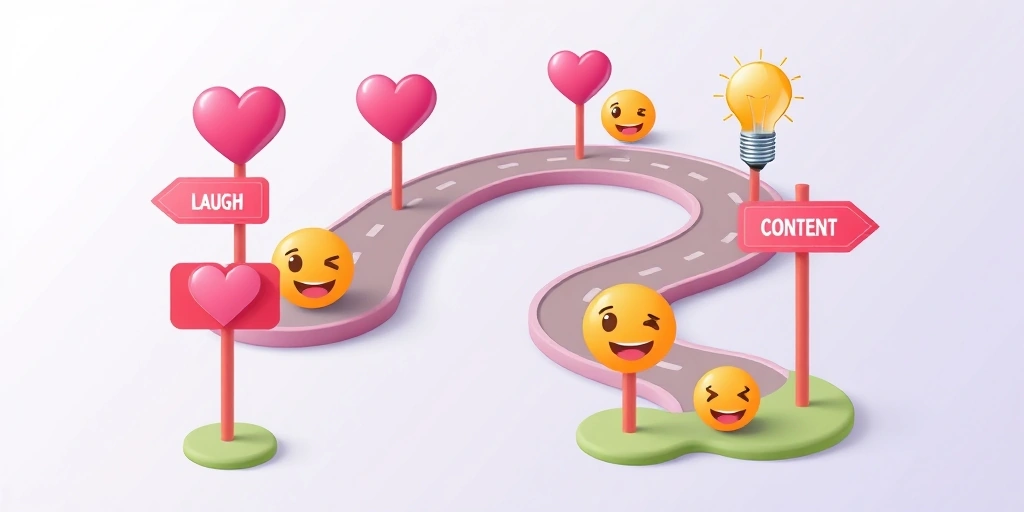
Taking Back a Little Control
This isn't a call to panic or to stop using emojis—they're a wonderful tool for connection! It's more about mindful awareness. Understanding this mechanism allows you to interact with your feed more intentionally.
If you want to see more diverse content from someone, try mixing up your reactions. Support their creative project with a 🎨, engage with their thoughtful article with a 💭. The algorithm notices variety. You can also actively seek out and engage with topics outside your usual reaction patterns to gently nudge your feed in a new direction.
At the end of the day, our feeds are a collaboration between us and the code. We provide the emotional fuel—the laughs, the love, the sympathy—through our words and, most instantly, our emojis. The platform uses that fuel to build the fire that keeps us warm, engaged, and scrolling. By recognizing that our tiny, colorful reactions hold this quiet power, we can better navigate the social landscapes we help create every single day. Explore more about this interplay in our emoji & social media category.
So next time you go to tap that reaction, remember: you're not just talking to your friend. You're whispering a suggestion to the algorithm about the world you want to see tomorrow.
📒 Related Blogs
More...The Tiny Peacekeepers: How Emojis Defuse Tension in Group Chats
Stop Misunderstandings: How Emojis Make Your Team Chats Crystal Clear & Boost Connection
The Silent Sponge: How Emojis Absorb Our Emotional Stress
The Viral Spark: How a Single Emoji Can Ignite a Reaction Chain
The Unspoken Spark: When Emojis Say "I'm So Excited!" Before You Do
The Unspoken Rules: How Emojis Steer Our Gut Reactions in Every Text