The Unspoken Rules: How Emojis Shape Your Social Media Posts

Mar 23,2026
Think about the last time you scrolled through your feed. A post catches your eye, but it's the emoji at the end that makes you pause. Was that a genuine laugh or a sarcastic one? A show of support or a passive-aggressive jab? In the digital town square of social media, where text reigns supreme, emojis have become our essential tone-of-voice. They're the body language of the internet, silently shaping how every public post and comment is received.
When you post publicly, you're not just talking to one friend. You're broadcasting to colleagues, family, acquaintances, and strangers. A simple sentence can be interpreted in a dozen different ways. This is where emojis step in as crucial clarifiers. A plain "Great job" could read as sincere, sarcastic, or even jealous. Add a ???? (clapping hands) or a ???? (star-struck), and the intent becomes warm and celebratory. The emoji you choose acts as a social cue, guiding your diverse audience toward the emotional context you intended.
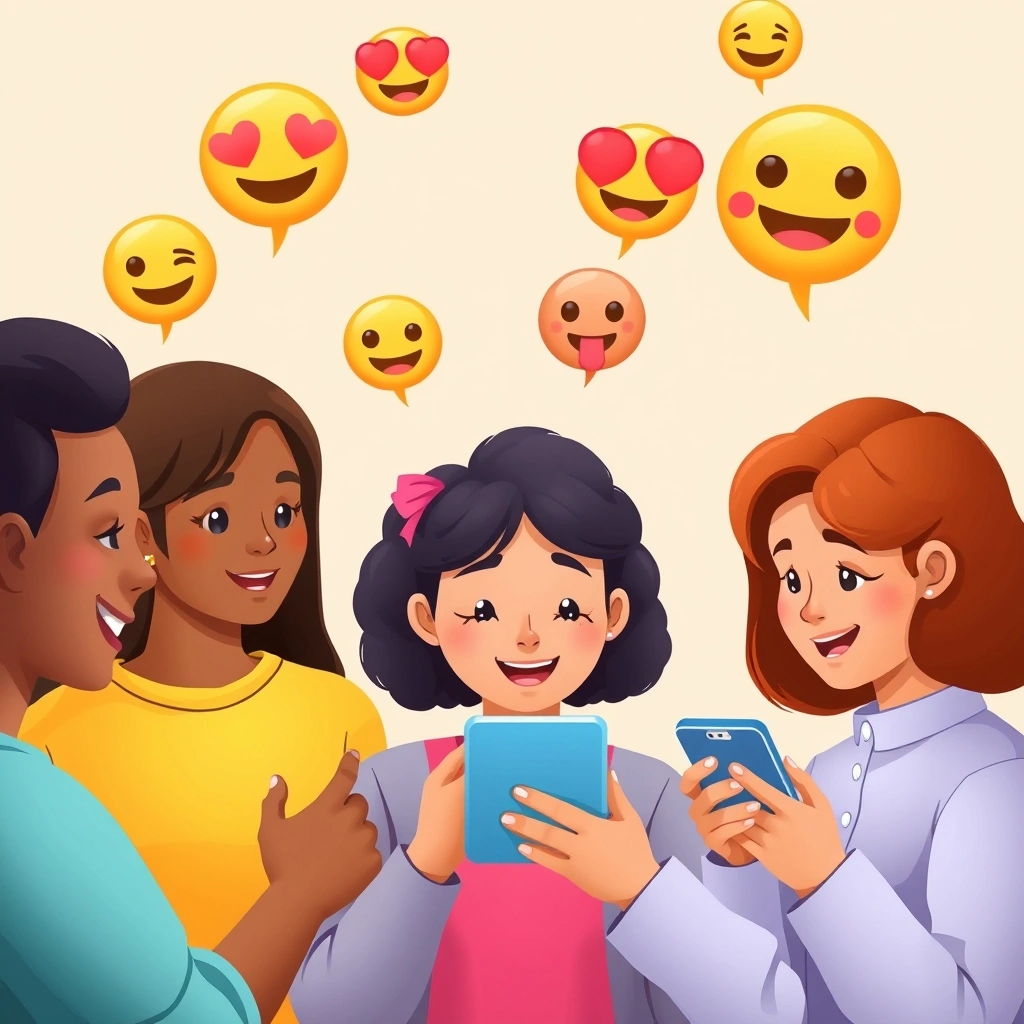
This power to shape perception is why emoji choice in public forums is so fascinating. Platforms like Twitter (X), Instagram comment sections, and public Facebook groups are stages. The emojis you use are part of your performance. They can make you seem more approachable, more passionate, or more in tune with a community's vibe. For instance, using niche or community-specific emojis (like a ???? for gamers or a ???? for book lovers) can instantly signal your belonging and understanding of that group's culture.
Conversely, misused emojis can create confusion or even conflict. The infamous ???? (crying laughing) emoji is a prime example. While it started as a marker of genuine hilarity, its overuse has led some to interpret it as dismissive or insincere in serious conversations. Using it in a reply to a post about a social issue might make you seem like you're not taking the topic seriously, even if that wasn't your intent. The meaning of emojis evolves with public use, and staying aware of these subtle shifts is key to effective digital communication.
The Ripple Effect in Public Conversations
Emojis don't just affect how your single post is seen; they influence the entire thread that follows. The first comment on a post often sets the tone for the conversation. A supportive comment with a ???? (red heart) or ???? (raising hands) can encourage others to engage positively. A skeptical comment with a ???? (thinking face) or ???? (eyes) might steer the discussion toward scrutiny.
This is especially true for brands and public figures. Their emoji use is analyzed and often sets a standard for their community's interaction. A playful, consistent emoji style can make a brand feel human and relatable, fostering a stronger connection with its audience. You can read more about this strategic side of emoji use in our article on the secret to being more likable online.
Beyond Decoration: Emojis as Essential Tools
It's easy to think of emojis as mere decorations, but in the context of public, text-heavy platforms, they are tools for emotional efficiency. They compress complex feelings—support, solidarity, amusement, skepticism—into a single, universal character. This allows for richer, faster, and more nuanced public discourse than plain text alone could ever allow.
They also help bridge gaps in a global conversation. While language barriers exist, a ???? (thumbs up) or a ???? (fire) often translates perfectly across cultures, creating instant, non-verbal understanding in an international comments section.
Ultimately, every emoji you use in a public space is a small but powerful signal. It tells your audience not just what you said, but how you feel about what you're saying and how you hope they will feel, too. It's a shared shorthand that makes the vast, sometimes impersonal world of social media feel a little more human, one tiny pictogram at a time. For a deeper dive into how a single symbol can alter a dialogue, explore our piece on the secret power of emojis.
So next time you're about to hit 'post' or 'comment,' take a second to consider your emoji. That little icon is doing more heavy lifting than you might think, quietly shaping the public conversation you're about to join. Want to keep exploring this topic? Check out more insights in our emoji & social media blog category.
📒 Related Blogs
More...The Ever-Shifting Emoji Landscape: How Digital Trends Reshape Our Favorite Icons
Beyond Words: How Emojis Shape Our Online Identity and Communication
The Secret Psychology of Emojis: How Tiny Icons Steer Our Subconscious
How Emojis Became Our Secret Generational Handshake
Stop Misunderstandings: How Emojis Make Your Team Chats Crystal Clear & Boost Connection
Are Emojis Reshaping How We Communicate? A Comprehensive Look