The Silent Sponge: How Emojis Absorb Our Emotional Stress

Mar 11,2026
You stare at the screen, the cursor blinking mockingly. The message from your friend sits there, heavy with unspoken meaning. "My dad's test results came back." Your heart lurches. What do you say? What can you say? Your fingers hover, a whirlwind of sympathy, fear, and helplessness swirling inside you. Words feel too clunky, too final, or terrifyingly insufficient. And then, almost without thinking, you tap it: the red heart. ❤️
It’s not a solution. It doesn’t fix anything. But in that moment of profound emotional uncertainty, it does something else, something vital. It absorbs the shock.
We often think of emojis as decorations, fun add-ons to our texts. But in the crucible of real, messy human emotion, they function differently. They become emotional placeholders. When a feeling hits us—grief, anxiety, overwhelming joy—there’s a gap between the sensation and our ability to process it into coherent language. In that gap, stress builds. The pressure to respond, to say the right thing, compounds the original emotion.
An emoji steps into that void. It doesn’t require the cognitive load of crafting a perfect sentence. It’s a pre-packaged emotional unit we can deploy instantly. By sending the heart, the pleading face, the two hands pressed together in prayer, we are doing two things: we are acknowledging the other person’s emotional reality, and we are buying ourselves a moment of psychological breath. We are saying, "I see your emotion. I am feeling an emotion in response. Here is a token of that, while I find my footing."
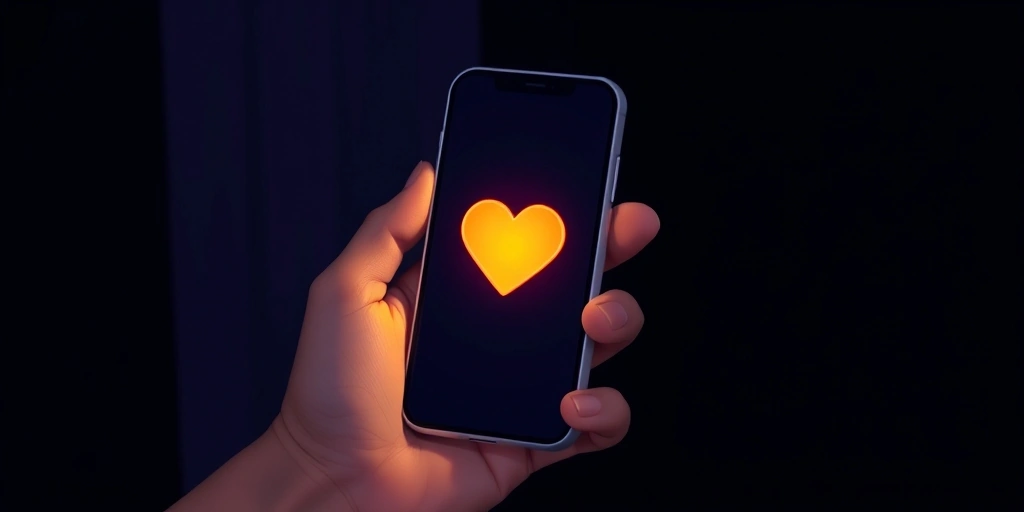
This absorption isn't about being lazy or dismissive. It’s a non-verbal nod, a digital sigh. Think of the last time you got unexpectedly great news. A job offer! A pregnancy announcement! Your brain might short-circuit with joy. Typing out "Oh my gosh, I am so incredibly happy for you, this is amazing!" feels almost too slow for the feeling bursting inside you. So you send the string of party poppers, the screaming face, the crying smile. 🎉😱😂 The emojis hold the sheer, uncontainable volume of your happiness, letting it out in a safe, understood burst so you can then follow up with more measured words.
The stress they absorb is often the stress of performance. The performance of having the appropriate, socially adept response ready on demand. In face-to-face conversation, we have micro-expressions, tone of voice, and body language to carry that initial emotional load. In text, we have... punctuation? Emojis restore that layer of immediate, instinctual reaction. They let us be viscerally human before we have to be eloquently human.
This is especially true in moments of shared anxiety or uncertainty. "Waiting for my interview to start 😬" "The doctor is running late 🥵" In these texts, the emoji isn't just describing the feeling; it's sharing the burden of it. It takes the internal, isolating knot of stress and externalizes it into a shared symbol. The friend who receives it isn't just getting information; they're absorbing a tiny piece of that emotional weight, saying "I am with you in this feeling" without a long treatise on anxiety. It creates a bridge of mutual understanding, as explored in our piece on emoji as emotional buffers.
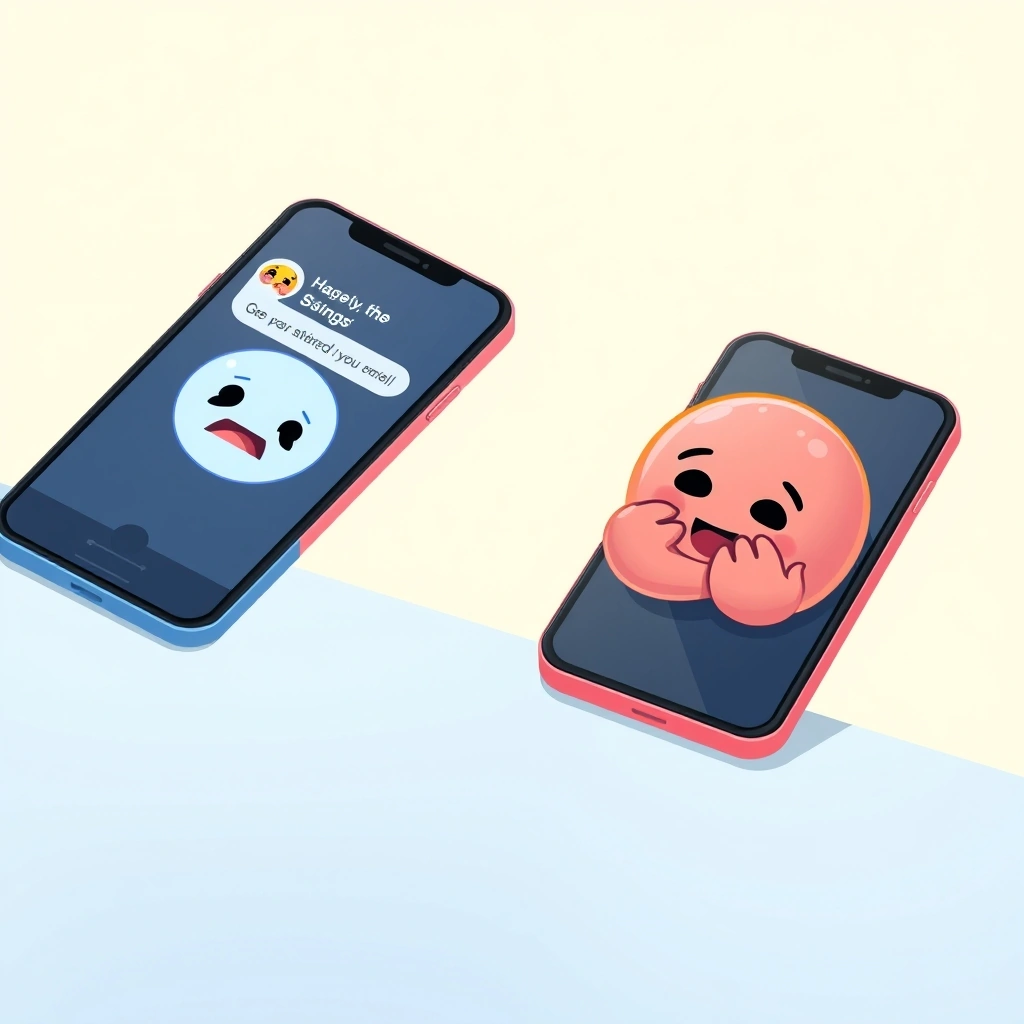
Over time, this practice builds a kind of emotional shorthand with the people we message most. The same weary face sent at 10 PM after a long day carries years of understood context. It absorbs not just the stress of that single day, but the accumulated fatigue of a shared life phase. It says, "Again. You know." And the recipient does know. The emoji becomes a container for a whole history of feeling.
Of course, this system isn't perfect. Misinterpretation is possible. An emoji can feel inadequate, especially in times of deep grief or crisis. It’s a sponge, not a solution. But to dismiss its role is to ignore a fundamental shift in how we cope in real-time. We live more and more of our emotional lives in digital spaces, and these small, colorful characters have evolved to meet a primal need: to express the inexpressible now, to manage the overflow of feeling before it overwhelms us.
So the next time you instinctively reach for the face holding back tears, the nervous smile, or the exploding head, don't chastise yourself for not having the words. Recognize what you're really doing. You're conducting a tiny, vital act of emotional hygiene. You're taking a fraction of the stress that moment generated—the stress of the unknown, the unprocessed, the overwhelming—and letting a simple, silent symbol hold it for you, just long enough to find your breath again. You can find more reflections on this in our broader collection on emoji and emotion.
They are more than fun. They are functional. In the silent spaces between our words, in the gaps where our feelings outrun our thoughts, they work quietly, soaking up what we cannot yet say, giving us the grace of a pause. And sometimes, that pause is everything.
📒 Related Blogs
More...How Emojis Evolve: The Secret Life of Our Favorite Digital Symbols
The Secret Life of Emojis: How Internet Trends Shape Our Digital Emotions
When Emojis Miss the Mark: The Unseen Awkwardness in Digital Chats
The Unspoken Rules of Group Chats: How Emojis Reveal What We're Really Supposed to Feel
The Global Language of Emojis: Cultural Interpretations & Usage
The Viral Spark: How a Single Emoji Can Ignite a Reaction Chain