The Unseen Guide: How Emojis Quietly Shape Our Feelings in Every Text

Mar 17,2026
Think about the last text you sent. Chances are, it included an emoji. We sprinkle them into our messages almost without thinking—a heart here, a laughing face there. But what if these tiny icons are doing more than just decorating our words? What if they're actively guiding how the person on the other end feels and reacts, often without either of you realizing it?
This isn't about being manipulative. It's about understanding the hidden layer of communication we've all adopted. When we text, we lose the tone of voice, the facial expressions, and the body language that fill our in-person chats. Our brains are desperately trying to fill in those gaps, and emojis have become the default tool for the job. They act as emotional signposts, steering the subconscious interpretation of otherwise plain text.
The Brain's Shortcut for Feeling
Our minds are wired for efficiency. When we process information, we don't analyze every single word in isolation; we take shortcuts. This is where emojis become powerful. A simple string of text like "Sure, that's fine" is emotionally ambiguous. Is the person genuinely okay with it, or are they secretly annoyed? Add a smiling face 😊, and the brain instantly categorizes the message as friendly and agreeable. Swap it for a grimace 😬, and the same words are now read as reluctant or uncomfortable.
The emoji doesn't just add emotion; it often overrides the literal meaning of the words. It provides a fast, visual cue that our subconscious latches onto to resolve ambiguity. This process happens in a flash, shaping our emotional reaction before we've even had time to consciously think about the message's intent. For a deeper dive into this cognitive process, you might find this exploration of the mind's shortcut really interesting.
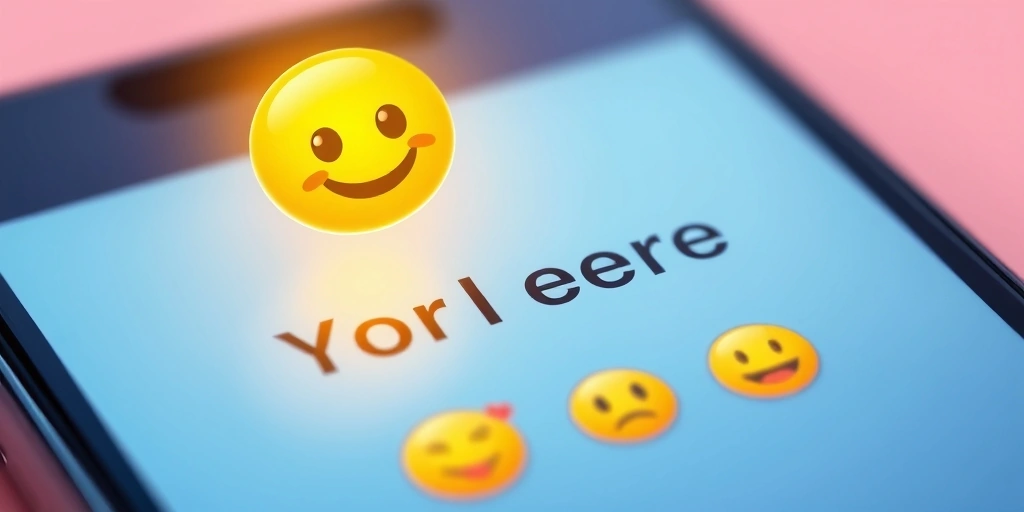
Consider the period. In formal writing, it's just punctuation. In a text message, especially from a younger demographic, a lone period can subconsciously signal finality, seriousness, or even passive aggression. Now, add a heart or a star emoji to the end of that same sentence. Suddenly, the potential tension evaporates, replaced by warmth. The emoji didn't change the words; it changed the entire emotional framework we use to understand them.
Shaping Perception and Building Bonds
This guiding function extends beyond single messages. The emojis we consistently use begin to shape how others perceive our digital personality. Someone who frequently uses light-hearted emojis like 😂 or 🥰 is subconsciously framed as more approachable and positive. On the other hand, someone who rarely uses them might be perceived as more serious or even distant, regardless of their actual intent.
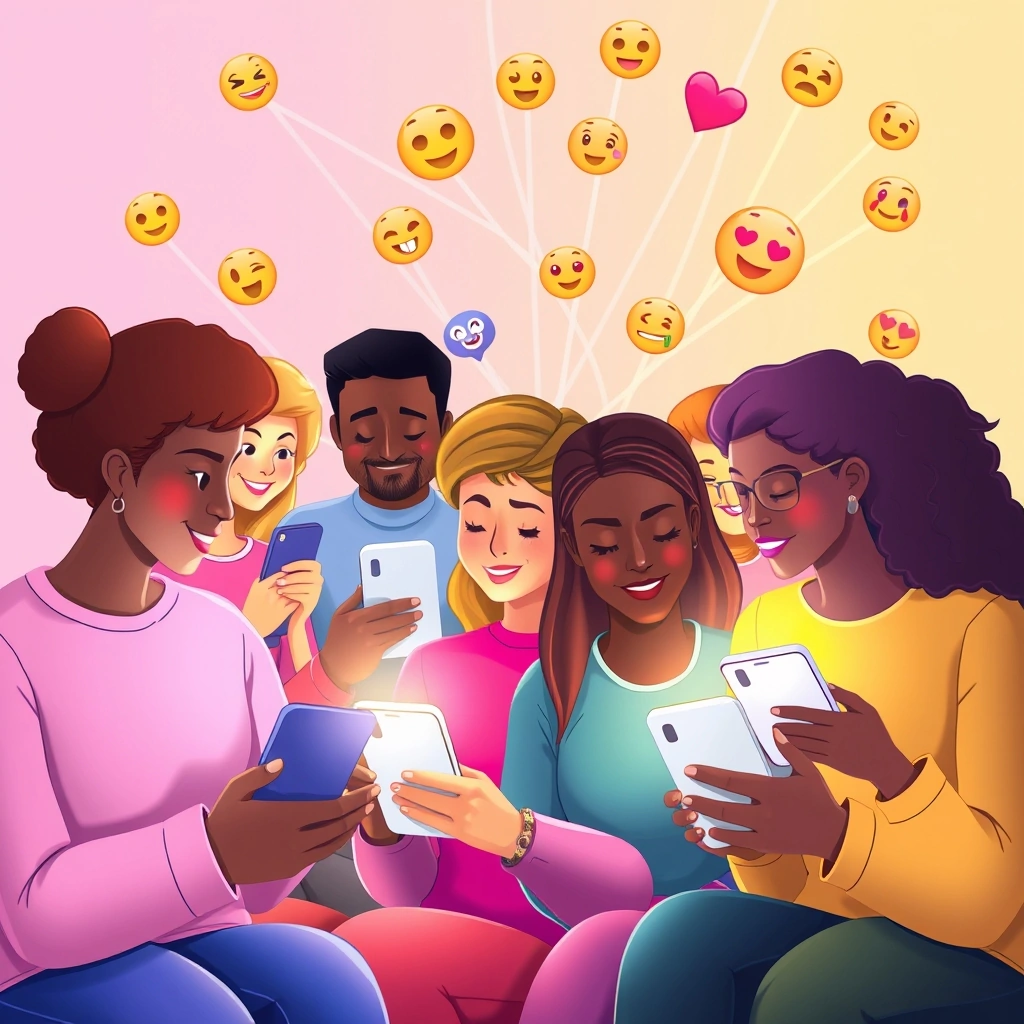
In group chats or ongoing conversations, emojis create a shared emotional rhythm. They build rapport and a sense of common understanding. When someone shares good news and the chat fills with 🎉 and ❤️, it's a collective, subconscious reinforcement of support and celebration. This non-verbal alignment is a core part of how we build and maintain social bonds in a digital space, a topic often explored in emoji psychology.
The Double-Edged Sword of Implied Tone
Of course, this subconscious guidance isn't foolproof. The very ambiguity that emojis are meant to solve can sometimes backfire. An emoji's meaning can be highly context-dependent and personal. The smirk 😏 might be playful to one person and condescending to another. The crying-laughing face 😂 might feel overused and insincere to some.
This is where misunderstandings brew. We assume our emotional signpost is clear, but the other person's brain might be taking a slightly different shortcut based on their own experiences and habits. The subconscious reaction we intended to guide might end up somewhere completely unexpected.
So, what does this mean for our everyday messaging? It's not a call to overanalyze every icon. Instead, it's an invitation to a little more awareness. Recognizing that emojis are more than decoration allows us to use them more intentionally. That thumbs up 👍 might efficiently convey agreement, but a "Sounds great!" with a sparkle ✨ might better guide the reaction toward genuine enthusiasm.
They are the quiet conductors of our digital conversations, subtly cueing our brains toward joy, sarcasm, sympathy, or love. By understanding their subtle power, we can navigate the emotional landscape of our messages with a bit more clarity and grace, ensuring the feeling we intend is the feeling that's received.
The next time you reach for an emoji, remember: you're not just adding a cute picture. You're gently steering a subconscious reaction. That's the quiet, remarkable power hidden in our keyboards. For more on how these icons steer our subconscious, the secret psychology of emojis offers further fascinating insights.
📒 Related Blogs
More...Emoji Skin Tones: A Deep Dive into Inclusivity and Representation
The Secret Code in Your Group Chat: How Emoji Pairs Change Everything
How Emojis Evolve: The Secret Language Shaping Our Digital Generations
The Silent Peacemakers: How Emojis Diffuse Tension in Your Private Chats
How a Simple Emoji Can Save Your Team From a Major Slack Misunderstanding
The Hidden Power of Emoji Sequences: How They Shape Your Chats