The Unspoken Language: How Emojis Shape Our Emotional Cues Online

Mar 06,2026
Think about the last text you sent. Maybe it was a simple "okay" or a "sounds good." Now, think about whether you added an emoji. That tiny icon probably wasn't just an afterthought. It was likely the most important part of the message, carrying the emotional weight your plain text couldn't.
From a psychological perspective, this is where emojis become fascinating. In face-to-face conversation, we rely on a symphony of non-verbal cues: a raised eyebrow, a slight smile, the tone of a voice. These signals tell us if someone is joking, being sarcastic, or genuinely concerned. Online, that rich layer of context vanishes. We're left with bare text on a screen, a format famously prone to misunderstanding.
This is the void emojis were born to fill. They aren't just digital stickers; they're cognitive and emotional shortcuts. Our brains are wired to process images faster than text. When we see a 😊 or a 😢, we instantly grasp the intended emotional tone, bypassing the need for lengthy clarification. It's a mental shortcut that makes our digital conversations smoother, faster, and more human.
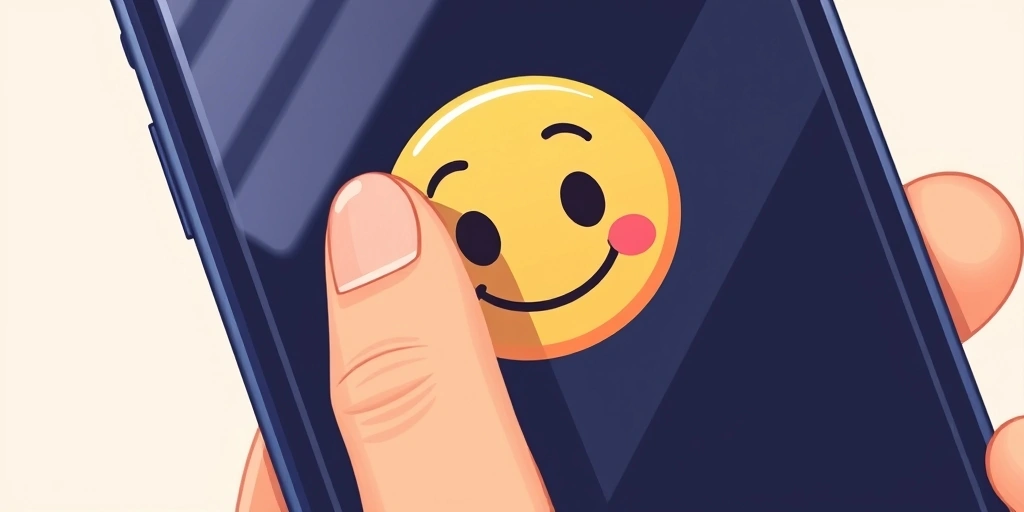
This process is deeply tied to theory of mind—our ability to understand that others have thoughts and feelings different from our own. When you add a 😉 to a potentially ambiguous statement, you're actively guiding the recipient's interpretation. You're signaling, "I'm not being serious; see it from my playful perspective." You're managing their emotional response before it even forms. It's a tiny act of empathy encoded in a pictograph.
Furthermore, emojis help us regulate our own emotional expression. Typing out "I'm so frustrated with this project but also weirdly determined to see it through" is clunky. A combination of 😤 and 💪 conveys that complex, mixed emotional state instantly and effectively. They allow us to express nuanced feelings we might not have the words for, or that would feel too vulnerable to spell out. In this way, they can reduce anxiety around communication, making it easier to be emotionally honest.
The impact of these shortcuts is profound for relationship building. Consistent use of positive emojis in a chat can foster a sense of warmth and goodwill, strengthening social bonds. They act as digital nods and smiles, maintaining the connection thread between messages. Conversely, the sudden absence of expected positive emojis can signal disengagement or upset, often louder than words. We've all felt the chill of a period where a heart or smiley face used to be.
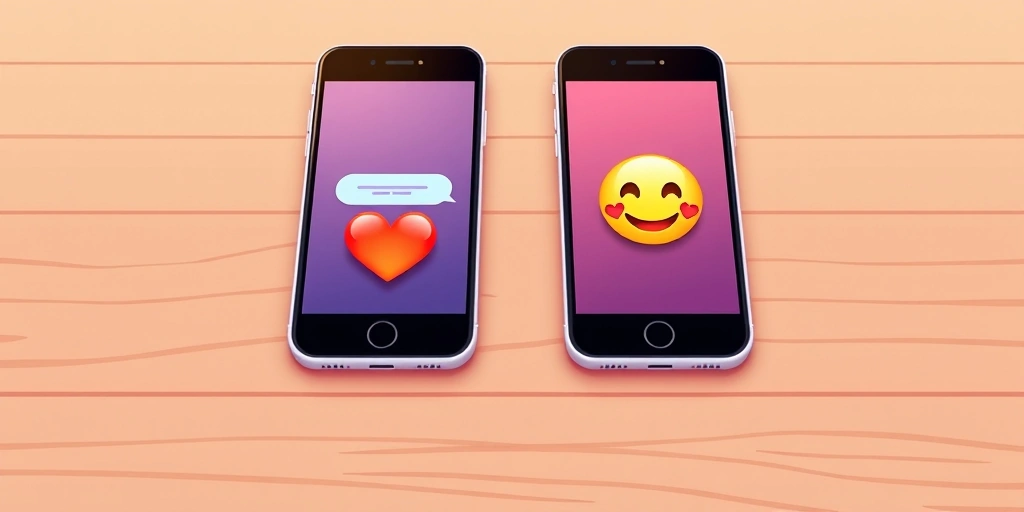
It's interesting to consider how these instant communication shortcuts have created a new, shared lexicon. A 🍃 might signal relaxation to one person and something else entirely to another, but within specific communities, these meanings solidify. This shared understanding is the bedrock of any language, and emojis are no different. They help form in-group bonds and a sense of belonging.
Of course, this system isn't foolproof. Misinterpretations happen. A sarcastic 😂 might not land, or a generational gap might make an emoji choice confusing (is that 🙏 high-five or prayer?). But even these missteps are part of the rich, evolving dance of human communication. They force clarification and, sometimes, deeper conversation.
Ultimately, emojis are more than fun decorations. They are essential tools for emotional clarity in a text-dominant world. They provide the subtext, the tone, and the heart. They help us bridge the gap between the efficiency of digital messaging and the profound human need for emotionally resonant connection. As we continue to navigate our relationships through screens, these small icons serve a mighty purpose: they remind us that behind every message is a person, trying to be understood.
So the next time you hesitate before hitting send, wondering if that winky face is too much or if the heart is overkill, remember the psychology at play. You're not just adding a cute picture. You're offering an emotional cue, building a bridge of understanding, and participating in the silent, vibrant language that shapes our modern social world. Where that language evolves next, as our digital and emotional lives become ever more intertwined, is a story we're all still writing, one emoji at a time.
📒 Related Blogs
More...Beyond the Text: How Emojis Add Intention to Your Short Messages
The Future of Emojis: What New Icons & Features Can We Expect?
How Emojis Became Our Shared Internet Diary
Mastering Emoji Etiquette: What NOT to Do in Digital Communication
The Unspoken Rules: How Emojis Hint at What We Really Expect
The Instant Feeling: Why Emojis Spark Our Gut Reactions in Texts